



Choose Your Monsoon-Ready Herbs
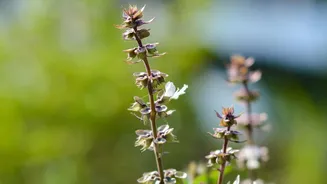
Not all herbs enjoy the constant dampness of the monsoon, but many thrive in the high humidity. Focus on plants that love these conditions. Tulsi (Holy Basil) is a must-have, known for its immunity-boosting properties that are especially useful during
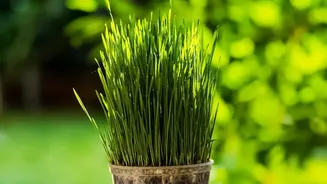
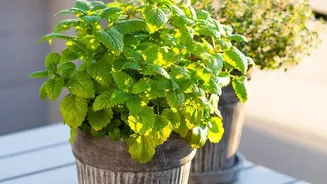
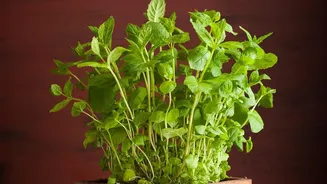
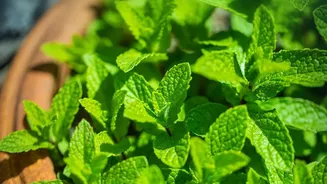
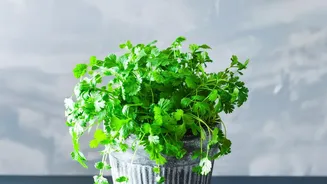
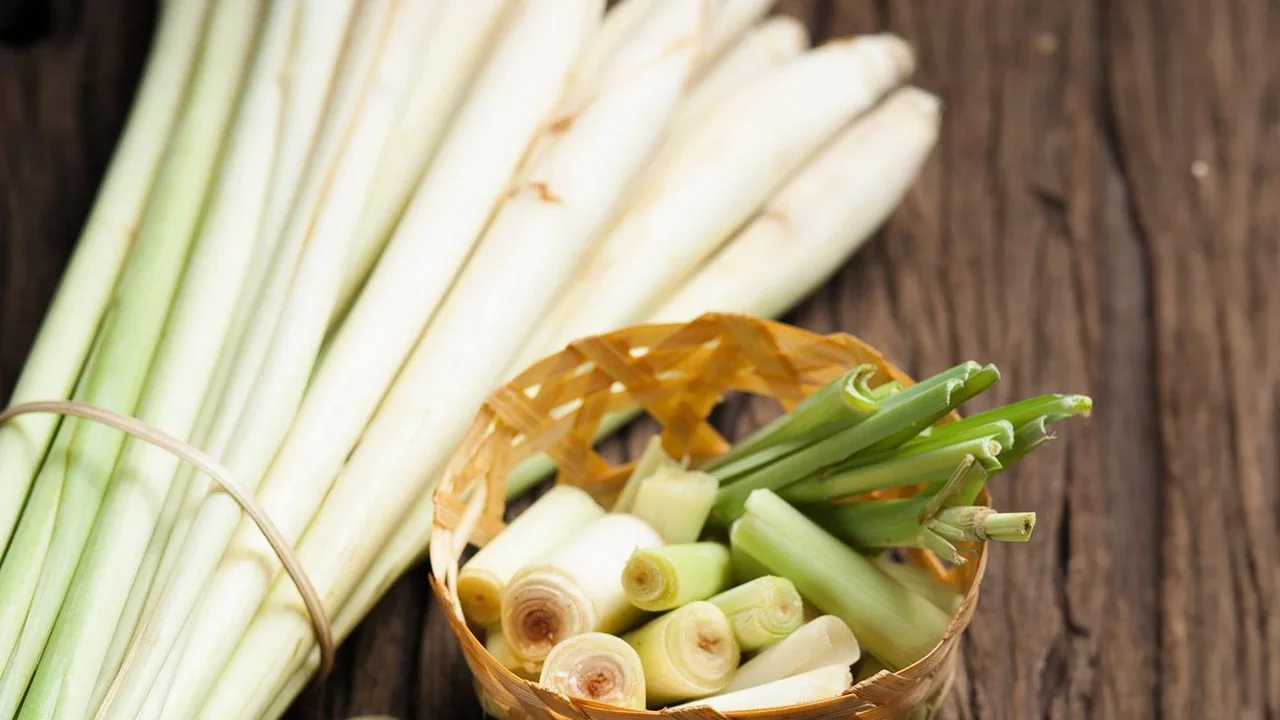
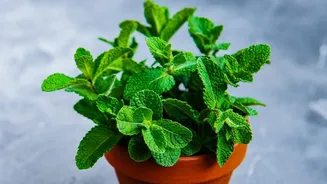
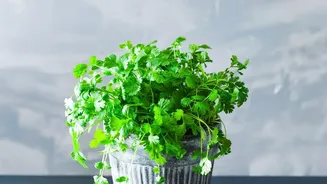
this season. Mint (Pudina) grows vigorously and is perfect for chutneys and drinks. Lemongrass, with its refreshing citrusy scent, also does exceptionally well. Coriander (Dhania) is another fast-grower that appreciates the cooler, moist weather. These herbs are relatively low-maintenance and well-suited to container life on a balcony.
Select the Right Pots and Placement
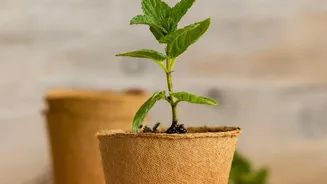
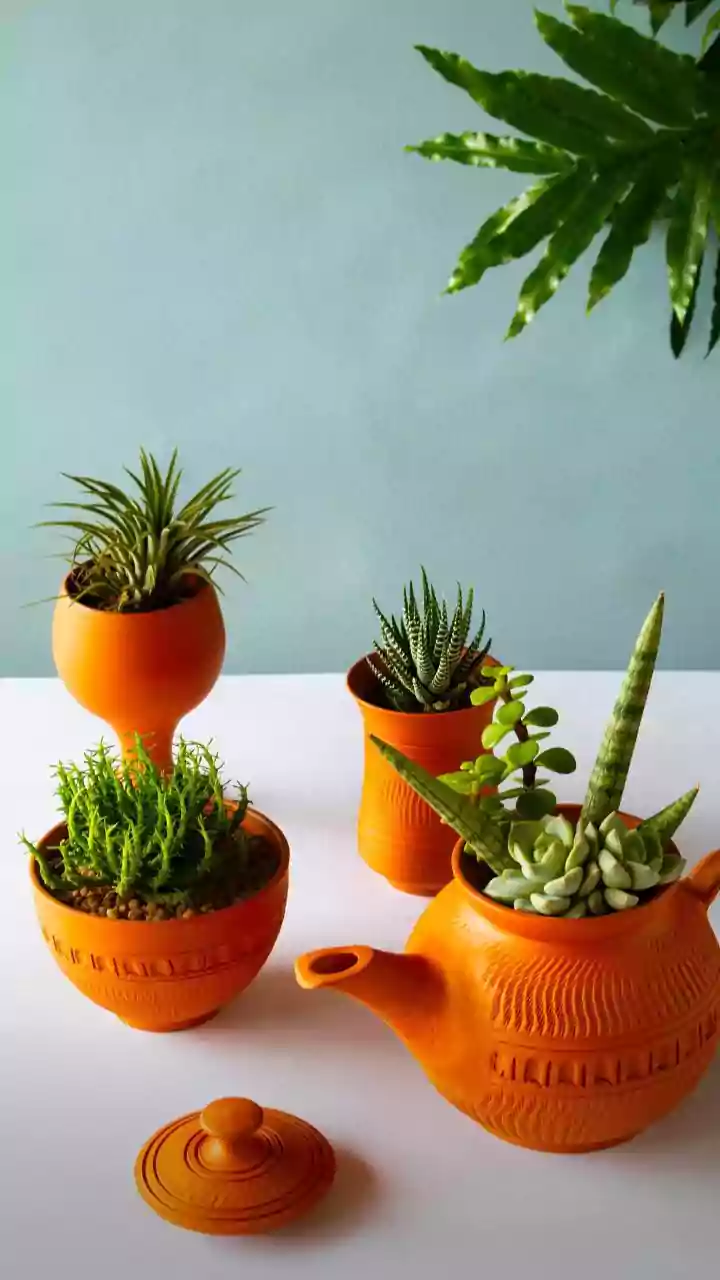
The single most important factor for a successful monsoon garden is drainage. Without it, even the most water-loving plants will suffer from root rot. Opt for terracotta or clay pots, which are porous and allow soil to breathe. Ensure every pot has at least one, if not several, drainage holes at the bottom. To further improve drainage, elevate your pots using bricks, wooden blocks, or dedicated pot stands. This simple step prevents the base from getting blocked and sitting in a puddle. Place your pots where they can get sunlight but are shielded from the direct force of heavy downpours, like under a roof overhang.
Create a Well-Draining Potting Mix
Standard garden soil is too heavy for containers and will become a dense, waterlogged mess during the monsoon. A light, well-aerated mix is crucial. Create your own by combining equal parts garden soil, cocopeat (for moisture retention without sogginess), and compost or vermicompost (for nutrients). Adding a handful of coarse sand or perlite will further improve the drainage structure, allowing excess water to escape quickly while keeping the soil moist enough for the roots. This balanced mix ensures your herbs have the perfect foundation to flourish.
Master the Art of Monsoon Watering
It might seem counterintuitive to water plants when it’s raining, but it's a common mistake to assume the rain is doing all the work. Plants under a balcony roof might not get any rainwater at all. Conversely, those exposed to showers can easily get too much. The rule is simple: always check the soil first. Poke your finger about an inch into the soil. If it feels dry, it's time to water. If it feels moist or wet, leave it alone. Overwatering is the biggest killer of potted plants during the rainy season, so let the soil be your guide.
Guard Against Pests and Fungi
High humidity creates a paradise for pests like aphids, mealybugs, snails, and slugs, as well as fungal diseases like powdery mildew. Prevention is key. Ensure good air circulation by not overcrowding your plants. Regularly inspect the leaves, especially the undersides, for any signs of infestation. A weekly spray of a simple neem oil solution (a mix of neem oil, a few drops of liquid soap, and water) can act as a natural and effective deterrent for many common pests and fungi. Promptly remove any yellowing leaves or infected parts to prevent problems from spreading.
Provide Shelter and Sunlight
While monsoon clouds can reduce the intensity of the sun, your herbs still need adequate light to grow. Most herbs require at least 4-6 hours of sunlight. Position your pots in the brightest part of your balcony. However, you also need to protect them from strong winds and torrential rain, which can break stems and damage leaves. If your balcony is very exposed, consider moving smaller pots to a more sheltered corner during heavy storms or creating a temporary shield. This protects them from physical damage and prevents the soil from getting completely waterlogged.