







The Power of the Humble Beet
Athletes are constantly searching for a safe, legal, and effective edge. While exotic supplements come and go, the latest science points toward a surprisingly simple source: the beetroot. For years, endurance athletes have used beetroot juice to improve
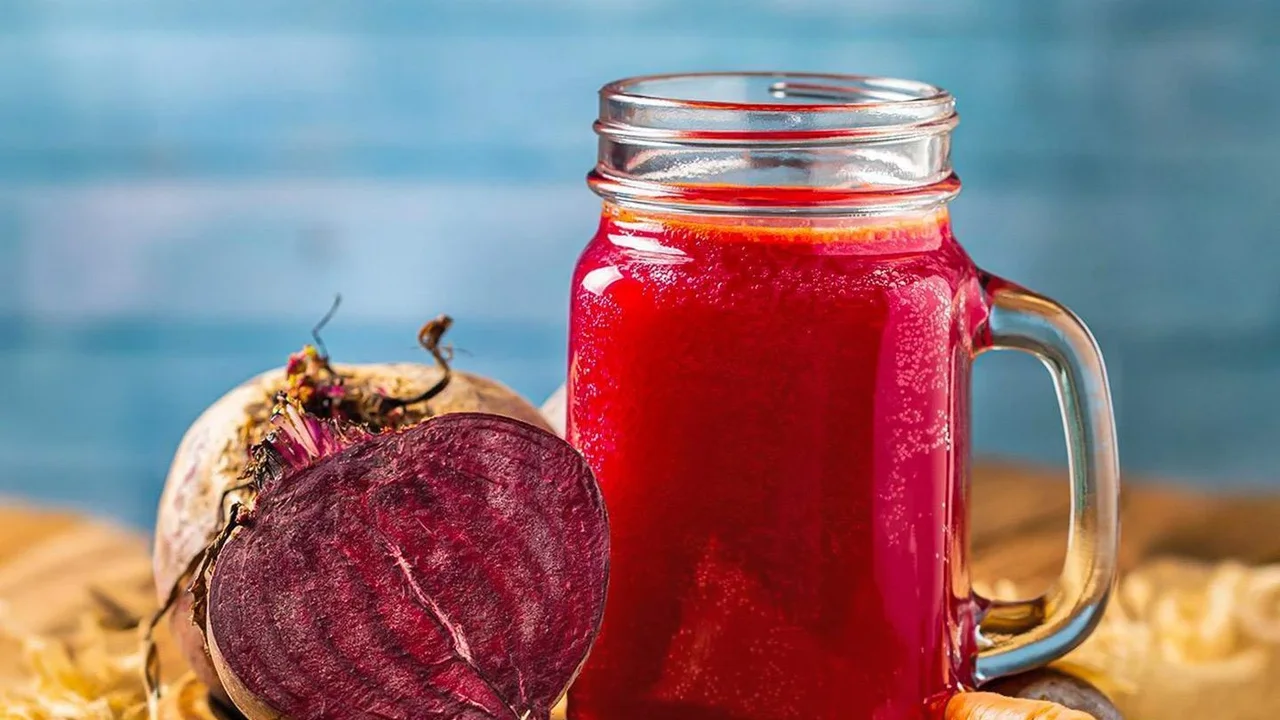
stamina. Now, compelling evidence shows its benefits extend to high-intensity interval training, specifically by improving how your body recovers between repeated sprints. The secret lies in its high concentration of inorganic nitrates, natural compounds that the body uses to create a powerful molecule that directly impacts performance and recovery.
From Nitrate to Nitric Oxide
When you consume beetroot, the dietary nitrates are converted by your body into nitric oxide (NO). Nitric oxide is a potent vasodilator, meaning it relaxes and widens your blood vessels. This process is crucial for athletes. Wider blood vessels allow for increased blood flow, which means more oxygen and essential nutrients can be delivered to your working muscles. At the same time, this enhanced circulation helps to more efficiently clear metabolic by-products, like lactate, that contribute to fatigue. This improved efficiency reduces the overall oxygen cost of exercise, making your body work smarter, not just harder.
The Edge in Repeated Sprints
This is where it gets specific for sprinters and team-sport athletes. Repeated sprint ability (RSA) is the capacity to perform maximal effort sprints with very short recovery periods. As fatigue sets in, performance in subsequent sprints drops off. Better aerobic recovery between these intervals is key to maintaining power and speed. By boosting nitric oxide levels, beetroot nitrates help your aerobic system rebound faster. The enhanced blood flow helps to quickly replenish oxygen in the muscles, which is vital for regenerating the energy needed for the next all-out effort. Studies have shown that this can lead to improvements in total work done during sprints, a higher number of sprint repetitions before exhaustion, and a reduction in the fatigue index. Essentially, you can maintain a higher quality of effort for more of your training session.
Decoding the 'Micro-Dose'
The term "micro-dosing" might be trendy, but in the context of beetroot, it's slightly misleading. Scientific literature doesn't focus on tiny, sub-perceptible amounts. Instead, research points to a specific, effective dosage window. A 2020 systematic review found that a chronic intake of about 5-6 millimoles (mmol) of nitrates—found in approximately 70 ml of concentrated beetroot juice—taken twice a day for 3-6 days could improve fatigue resistance. For acute effects, a single dose of 500 mg of nitrates (around 8 mmol), taken 2-3 hours before exercise, appears to be the sweet spot for seeing performance benefits. This is the time it takes for your body to convert the nitrates into peak levels of nitric oxide. So, it’s less about a "micro" dose and more about a precise, timed dose. Some studies have even found that extremely high doses don't necessarily provide additional benefits.
Putting It Into Practice
If you want to try this for yourself, timing and consistency are key. For a noticeable effect on a specific training day or competition, consume a nitrate-rich beetroot supplement (like a concentrated 70 ml shot or a 500 ml bottle of juice) about 2 to 3 hours beforehand. This gives your body the time it needs for the conversion process. For more sustained benefits and improved training quality over time, a smaller daily dose, such as one shot per day for a week leading up to an event, might be more effective. While beetroot juice is the most studied method due to its concentrated nature, you can also get nitrates from whole beets and other leafy green vegetables like spinach and arugula, though the dosage is less precise. Remember that the effects can vary between individuals, and some studies have found no significant improvement, so it's important to see how your own body responds.