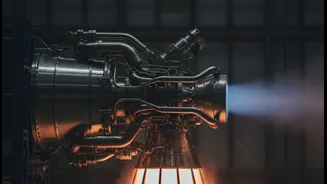







What is a Semicryogenic Engine?
Think of a rocket needing two things to generate thrust: fuel and an oxidiser (to help it burn in space). ISRO's workhorse rockets, like the PSLV and LVM3, use a mix of solid fuels, earth-storable liquid fuels (which are highly toxic), and cryogenic engines
that use super-cooled liquid hydrogen and liquid oxygen. A semicryogenic engine offers a powerful and efficient middle path. It pairs liquid oxygen, which is cryogenic, with a refined form of kerosene called RP-1, or 'Isrosene' in ISRO's terminology. Since only the oxygen needs to be kept intensely cold, not the fuel, the system is less complex and costly to handle than a fully cryogenic one. This small change brings big benefits.
The Challenge and the Long Road
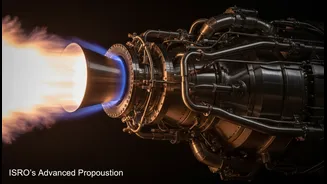
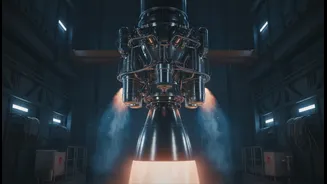
Developing this technology is not simple; only a handful of nations have mastered it. The engine, officially named the SE-2000, is designed to generate a massive 2,000 kilonewtons (or 200 tonnes) of thrust. It operates under immense pressures and temperatures, requiring special materials and a complex design known as an oxidiser-rich staged combustion cycle. ISRO has been working on this programme for years, with the project officially sanctioned in 2008. The journey has involved gradual, step-by-step testing to build confidence safely. Recent tests have focused on the 'powerhead,' which is like the engine's heart—a complex assembly of turbopumps that force propellants into the combustion chamber at incredible pressures. Proving this part works is a critical milestone before firing the whole engine.
A Milestone Achieved
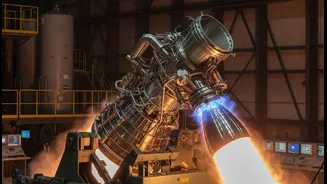
In a major breakthrough in late June 2026, ISRO successfully conducted a hot test of the engine's powerhead at its Propulsion Complex in Mahendragiri, Tamil Nadu. In this eighth test of the series, the system was pushed to a thrust level of 175 tonnes, which is 88% of its full target power. This was a significant jump from previous tests at lower thrust levels and demonstrated the stability and performance of the engine's critical components under immense load. Officials stated the successful trial provides enough confidence to proceed with a full-thrust demonstration of 200 tonnes in the near future, bringing the engine one step closer to being integrated into a rocket.
The 'Utility': Powering India's Future
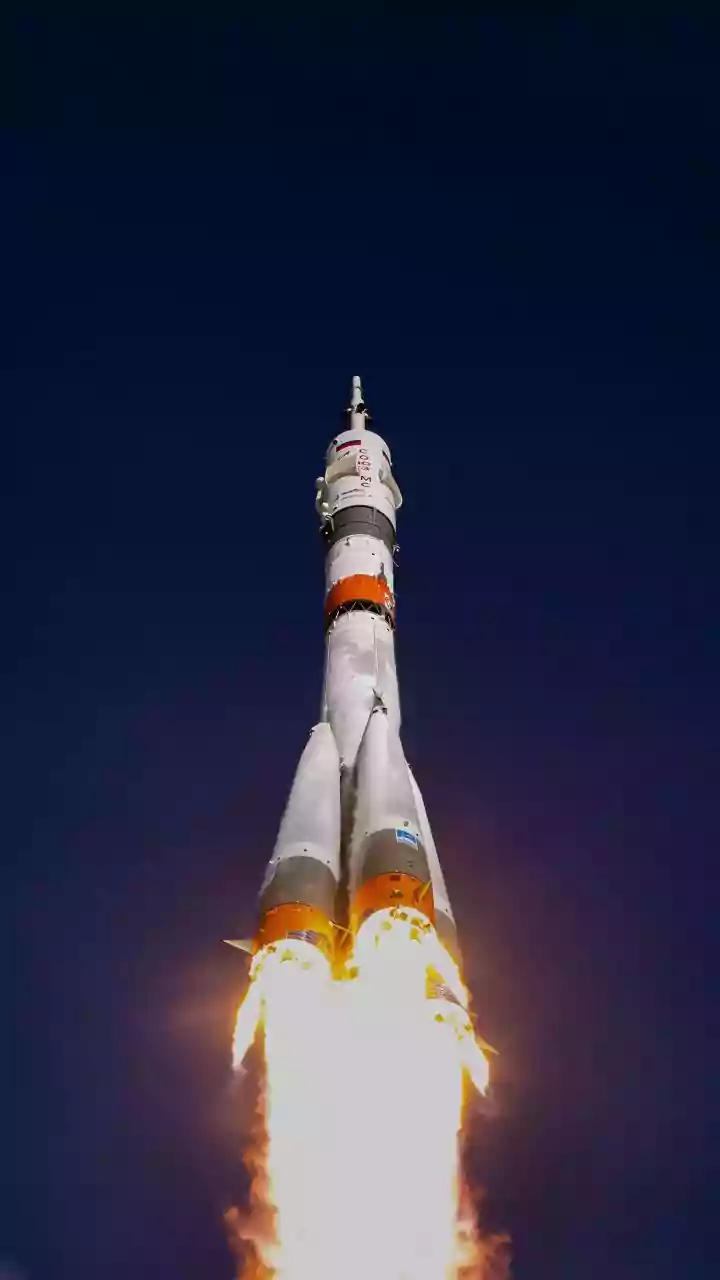
The successful development of the SE-2000 is a strategic game-changer. This engine is set to power the core stage of India's heaviest rocket, the LVM3, replacing the current L110 stage. This single upgrade will boost the LVM3's payload capacity to Geostationary Transfer Orbit (GTO) from four tonnes to five tonnes. This means India can launch heavier communication satellites for itself and for international customers, reducing its reliance on foreign launchers. The increased power is also essential for future ambitious projects, including sending heavier modules for the planned Bharatiya Antariksha Station (Indian Space Station) and for deep-space exploration missions.
Cheaper, Greener, and Reusable
The bigger story extends to cost, efficiency, and reusability. Kerosene is significantly cheaper and easier to handle than liquid hydrogen, which requires complex, ultra-low temperature storage. This simplifies launch preparations, potentially allowing for a higher frequency of launches per year. Furthermore, the use of refined kerosene and liquid oxygen is a cleaner, non-toxic alternative to the hypergolic fuels used in some current stages. Most importantly, this engine is a critical stepping stone for ISRO's Next Generation Launch Vehicle (NGLV) and its ambitions for reusable rockets. The ability to throttle the engine and its use of denser, easier-to-manage fuel are key ingredients for a booster that can fly back and land, a capability that will drastically cut the cost of accessing space and position India as a major player in the global launch market.