





The Protein Promise
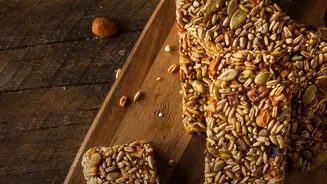
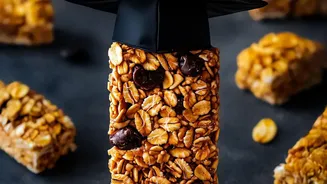
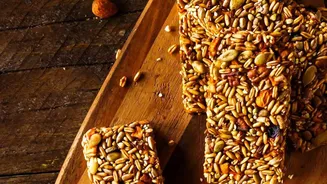
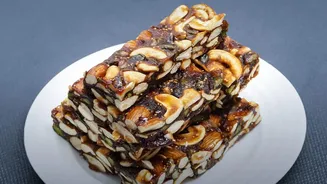
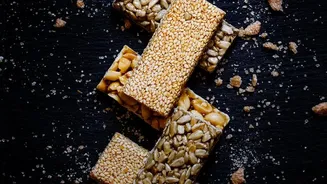
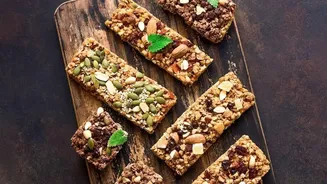
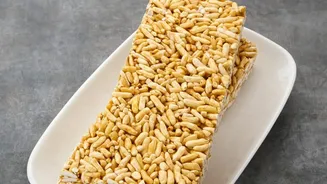
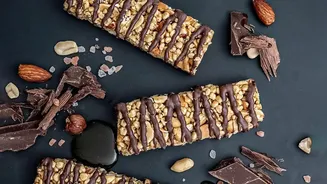
Protein bars are specifically designed to deliver a high dose of protein, making them a popular choice for post-workout recovery and muscle repair. A good bar should contain at least 10-20 grams of protein. The source matters, too; labels often list whey,
casein, soy, or pea protein. Makhana, or fox nuts, are a natural source of plant-based protein, offering a respectable 9-10 grams per 100-gram serving. While not as concentrated as a protein bar, this makes makhana a great option for maintaining energy and satiety during the day, rather than for intense muscle building.
The Sugar Situation
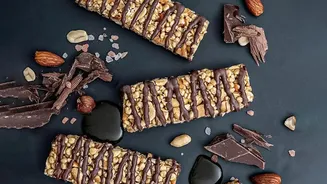
This is the most critical checkpoint for protein bars. Many are packed with hidden sugars to improve taste, sometimes containing as much as a candy bar. Scrutinise the label for ingredients like high-fructose corn syrup, glucose syrup, or cane sugar, which can lead to energy crashes. To keep sugar content low, manufacturers often use sugar alcohols like maltitol and sorbitol, or artificial sweeteners. While they reduce calories, they can cause bloating and digestive discomfort for some people. In contrast, makhana is naturally free of sugar, making it a clear winner for anyone looking to reduce their sugar intake without worrying about artificial additives.
Decoding the Fats
A quick scan of a protein bar's ingredient list might reveal processed oils like palm, canola, or soybean oil, and sometimes even unhealthy hydrogenated fats used to improve texture and shelf life. Ideally, you want to see healthy fats from whole food sources like nuts and seeds. On the other hand, makhana is naturally very low in fat, with less than one gram per 100-gram serving. However, the preparation method is key. Packaged makhana can be roasted in ghee or oil, which significantly increases the fat and calorie content. For the healthiest option, choose plain, dry-roasted makhana and check the label for fat content if you're not making it at home.
Fibre and The Fullness Factor
Fibre is essential for good digestion and helps you feel full longer, preventing overeating. When choosing a protein bar, aim for one with at least 3-5 grams of fibre. This helps balance the effect of carbohydrates and contributes to a feeling of satiety. Makhana is a natural powerhouse of dietary fibre, containing around 14.5 grams per 100 grams. This high fibre content is why a bowl of makhana can be such a satisfying and filling snack, effectively curbing hunger pangs between meals.
The Ingredient List Test
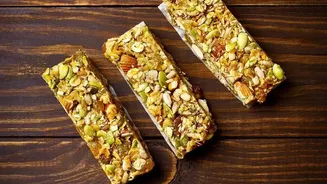
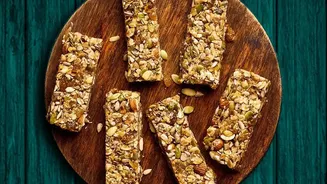
A simple but effective rule for any packaged food is to read the full ingredient list. A shorter, more recognisable list is almost always better. Makhana excels here; its ingredient list might just say "fox nuts" and perhaps salt. Protein bars, however, can have long, complex lists filled with artificial flavours, emulsifiers, gums, and preservatives you wouldn't find in a home kitchen. If the list reads more like a chemistry experiment than a recipe, it’s a sign that the bar is highly processed. Look for bars with whole food ingredients like oats, nuts, and seeds listed at the top.
Our Verdict: The Right Snack for the Right Time
So, which snack wins? The answer depends entirely on your goal. A carefully selected protein bar can be an effective tool for a quick, targeted protein boost right after a workout. However, for everyday, guilt-free snacking, makhana is the superior choice. It is a whole food that is naturally low in fat, sugar, and sodium, while being rich in fibre and essential minerals like magnesium and potassium. It provides a satisfying crunch without the processed ingredients and hidden sugars that often lurk in protein bars. For a light evening snack or a crunchy bite at your desk, makhana is a cleaner, more wholesome option.