




The Great Indian Feast Out
India is dining out and ordering in like never before. Driven by rising disposable incomes, rapid urbanisation, and changing lifestyles, the Indian foodservice market is experiencing explosive growth. Valued at approximately USD 78 billion in 2025, the sector
is projected to surge to USD 147 billion by 2032. This boom isn't just about eating more; it's about eating differently. Dining out has transformed from an occasional treat into a regular social activity and a form of entertainment, especially for younger, upwardly mobile populations. This expanding market has created fertile ground for new players to enter the fray, challenging the long-held dominance of established giants.
A Hunger for Authenticity and Novelty
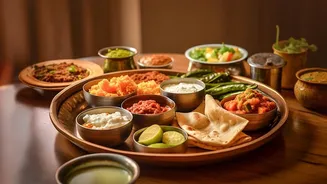
For years, success in the food industry often meant standardisation. Today, a growing number of consumers are looking for the opposite. They are seeking unique flavours, regional specialities, and authentic culinary experiences that large, homogenised chains often struggle to provide. This has opened the door for smaller brands that are deeply rooted in a specific culinary tradition, from regional Indian cuisines to globally-inspired niche offerings. Consumers are increasingly willing to pay a premium for what they perceive as genuine and high-quality. Whether it’s a cafe reviving ancient food wisdom or a snack brand experimenting with bold new tastes, these smaller players are winning over diners by offering something memorable and distinct.
The Conscious Consumer
The boom is also being shaped by a profound shift towards health and wellness. Indian consumers are more mindful than ever about what they eat, prioritising natural ingredients, freshness, and nutritional benefits. There's a rising demand for products that are organic, preservative-free, vegan, or cater to specific dietary needs. Smaller, direct-to-consumer (D2C) brands are often more agile in responding to these trends. They build their identity around clean labels, transparent sourcing, and wellness-focused offerings, creating a strong connection with health-conscious customers who are looking for food that aligns with their lifestyle values.
The Digital Dining Room
Technology has been the great equaliser. Food delivery platforms like Zomato and Swiggy have given small restaurants and cloud kitchens access to a vast customer base that was previously unreachable. These platforms have significantly lowered the barrier to entry, allowing entrepreneurs to launch a food business without the massive capital investment required for a traditional dine-in restaurant. Simultaneously, social media has become a powerful discovery engine. A new generation of foodies discovers their next meal on Instagram and YouTube, where compelling stories and visually appealing food from smaller brands can go viral, generating buzz that money can't always buy.
A New Definition of 'Brand'
Ultimately, the rise of smaller food companies signals a change in what a 'brand' means to the Indian consumer. It's no longer just about a recognisable logo or a multi-crore advertising budget. Today, a brand is also about the story, the founder's passion, the connection to a specific community or ingredient, and the direct relationship built with customers. These new-age brands often excel at storytelling, using digital channels to share their journey and values, fostering a sense of loyalty and community. They prove that in a crowded market, a clear identity and an authentic connection can be just as powerful as scale.