



The Soul of an Artisan Piece
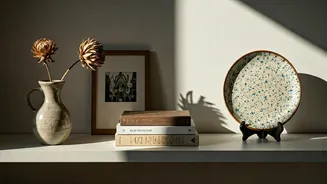
Before you start decorating, it's helpful to understand what makes a piece 'artisanal'. Unlike factory-made items, an artisan object is designed and crafted by a skilled maker, often by hand. It could be a hand-thrown ceramic vase, a block-printed cushion
cover, a carved wooden sculpture, or a handwoven wall hanging. These items are celebrated for their connection to a specific culture, their use of natural materials, and the story of the hands that made them. They carry an inherent uniqueness; even in a limited series, no two pieces are ever exactly identical. Choosing artisanal decor is a move towards sustainability and conscious consumption, supporting traditional skills and rejecting the impersonal nature of mass production.
Start Small and Tell a Story
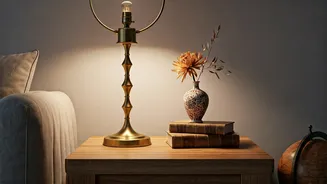
The easiest way to begin is by introducing one or two meaningful pieces. Think of your decor as a collection of stories. That small brass diya you picked up from a local market or a textile from a memorable trip holds more personal value than any generic decor item. Don't feel pressured to decorate an entire room at once. The most soulful homes evolve over time. Start with a single statement piece, like a hand-carved console or a stunning handwoven rug, and let it anchor the room. Even small touches, like replacing synthetic cushion covers with hand-embroidered ones or adding a terracotta planter to a corner, can instantly soften modern lines and add warmth.
The Art of the Mix
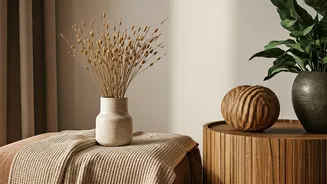
The secret to a sophisticated look is contrast. The tactile, often imperfect nature of handmade items shines brightest when placed against clean, modern backdrops. Pair a rustic wooden bowl with a sleek marble countertop, or place a detailed Dhokra metal figurine on a minimalist concrete shelf. This interplay of textures—smooth with rough, old with new—creates a dynamic and visually interesting space. Don't be afraid to mix materials like wood, jute, clay, and brass with the glass and steel of contemporary furniture. This balance prevents the artisanal pieces from feeling out of place and instead makes them feel curated and intentional.
Give Your Pieces Breathing Room
One of the biggest mistakes when decorating with unique items is overcrowding. An artisan piece is a focal point, and it needs negative space to be appreciated. Rather than scattering many small items across every surface, group them intentionally. A collection of small ceramic pots looks more impactful clustered on a single shelf than spread throughout the room. A well-styled interior allows the eye to rest between points of interest. If a room starts to feel visually busy or chaotic, it’s a sign to edit your display. Rotate your collections seasonally to keep the space feeling fresh without constant accumulation.
Embrace Functional Beauty
Artisanal decor doesn’t have to be purely decorative. Some of the most satisfying pieces are those you can use every day. Think of hand-painted Kalamkari table mats, a beautifully woven basket for storage, or hand-thrown mugs for your morning tea. Incorporating functional crafts makes them feel integral to your home, not just objects on display. A hand-carved wooden serving board is both a piece of art and a tool for hospitality. When your decor serves a purpose, it deepens your connection to it and weaves the artisan's craft into the fabric of your daily life.