

Create a Safe Haven
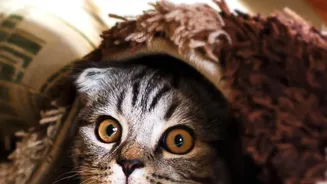
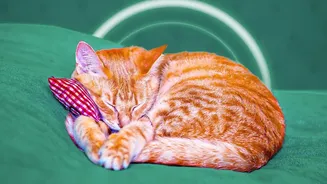
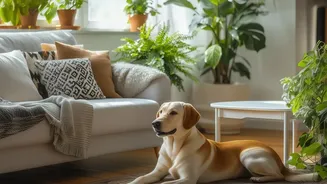
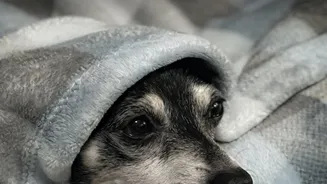
Every pet needs a sanctuary. This is a dedicated spot in your home where your pet feels secure and can retreat when they feel overwhelmed. For many pets, this might be a crate with a comfy blanket, a specific room, or a cosy corner away from the main
hustle and bustle. Before guests arrive, make sure this space is ready with their favourite toys, a water bowl, and bedding. It’s crucial this area is respected as a no-go zone for visitors, especially children. This gives your pet control over their social interactions, empowering them to engage on their own terms.
Prepare Before the Doorbell Rings
Preparation is key to a smooth visit. A long walk or an energetic play session before guests arrive can help your dog expend excess energy, making them less likely to be anxious or overly excited. For both cats and dogs, it’s best to secure them in their safe space before you hear the knock or doorbell, which can be a major trigger for anxiety. You can also use calming aids like a pheromone diffuser, which releases synthetic pheromones that mimic the natural calming scents produced by mother animals, helping to create a more relaxed atmosphere. Playing soft music or a white noise machine can also help drown out startling noises from arriving guests.
Manage Guest Arrivals and Interactions
The way guests enter your home can set the tone for the entire visit. Loud greetings and sudden movements can be frightening for a timid animal. Politely inform your guests about your pet's shyness beforehand. Instruct them to ignore the pet, especially upon arrival. This lack of direct attention lowers the pressure on your pet and allows them to investigate the new people at their own pace. Avoiding direct eye contact and not forcing interaction gives the animal the choice to approach, which is crucial for building their confidence. Ask your guests to let the pet come to them.
Use the Power of Positive Reinforcement
The goal is to help your pet associate visitors with good things. High-value treats are your best friend here. You can have your guests gently toss treats in your pet’s direction without making direct contact. This helps build a positive connection from a safe distance. As your pet becomes more comfortable, a brave guest might be able to offer a treat from their hand. Always reward calm and brave behaviour with praise or treats. This positive reinforcement training is far more effective than punishing fearful behaviour, which can increase anxiety.
Never Force an Interaction
It is essential to let your pet set the pace. Pushing a shy animal into a situation where they feel uncomfortable can make their fear worse and may even lead to aggression as a last resort. If your pet chooses to stay in their safe room for the entire visit, allow them to do so. The goal is not to transform your pet into a social butterfly overnight but to ensure they feel safe and secure in their own home. If your pet does venture out, ensure they always have a clear escape route back to their sanctuary.