

The Famous NASA Study That Started It All
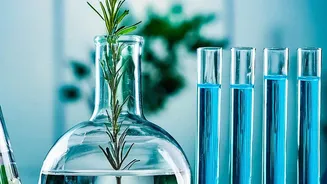
The belief that indoor plants are powerful air purifiers can be traced back to a landmark 1989 study by NASA. Researchers were looking for ways to clean the air in sealed environments like space stations. They placed common houseplants in small, sealed plexiglass
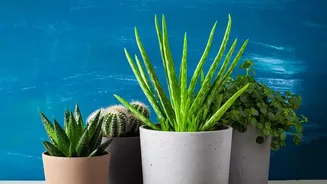
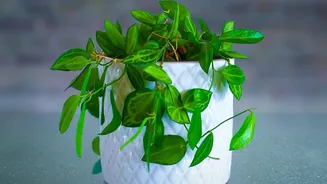
chambers and introduced volatile organic compounds (VOCs) like benzene and formaldehyde. The results were remarkable: some plants were able to remove a significant percentage of these pollutants from the chamber's air within 24 hours. The study identified several powerhouse plants, including the Peace Lily, Snake Plant, and English Ivy, sparking a decades-long trend of using greenery as natural air filters.
A Reality Check: From Space Station to Living Room
Here’s the catch: your home is not a sealed space station chamber. Subsequent research and critical reviews have pointed out that the conditions of the NASA study don't translate to a typical house or apartment. Our homes have much larger air volumes and constant air exchange from windows, doors, and ventilation systems. This natural airflow already dilutes indoor pollutants at a rate far greater than a few potted plants can manage. While the plants' ability to absorb VOCs is real, the scale is the issue. In a real-world setting, their effect is minimal.
The Sheer Number of Plants You'd Need
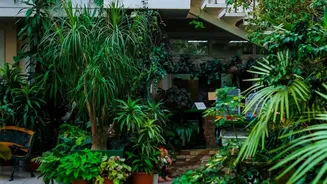
So, how many plants would it take to actually make a difference? Modern analysis of the original data suggests the number is staggering. One review calculated that to achieve the same air-cleaning rate as a building's standard ventilation system, you would need anywhere from 10 to 1,000 plants per square metre of floor space. Another analysis estimated that a typical 1500-square-foot home would require around 680 plants to effectively purify the air. For even the most dedicated plant parent, turning a home into a dense jungle is simply not practical.
The Undeniable Psychological Boost
While they may not be the air-purifying workhorses we once thought, the benefits of indoor plants are still immense. The biggest impact they have is on our mental and psychological well-being. Studies have consistently shown that interacting with plants can reduce stress, lower blood pressure, and decrease feelings of anxiety and depression. The simple act of caring for a living thing—watering it, watching it grow—can foster a sense of calm and mindfulness in our fast-paced lives. Being around plants connects us to nature, which has a grounding and restorative effect on our minds.
What Actually Cleans Your Indoor Air?
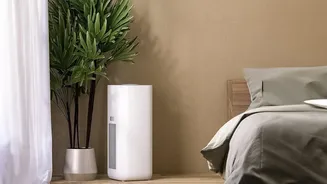
If plants aren't the solution, what is? The most effective way to improve indoor air quality is through source control and ventilation. Start by reducing the number of products that release VOCs, which are found in everything from cleaning supplies and air fresheners to new furniture and paint. When possible, choose low-VOC or VOC-free products. The second key is ventilation. Simply opening your windows to allow fresh air to circulate is one of the most effective strategies for reducing indoor pollutant concentrations. Using exhaust fans in kitchens and bathrooms also helps remove pollutants at their source. For those with significant concerns, a high-quality air purifier with a HEPA filter can be a worthwhile investment.