





The Humidity Effect: Why Skin Suffers
During the monsoon, the air is saturated with moisture. This high humidity signals your sebaceous glands to produce more oil, leaving your skin feeling greasy and sticky. This excess sebum, combined with sweat and environmental pollutants, creates the perfect
breeding ground for bacteria, leading to clogged pores, blackheads, and painful acne breakouts. Furthermore, the constant dampness encourages fungal growth, making infections another common concern. Many people react by either piling on heavy creams that suffocate the skin or by overwashing it, which strips the natural barrier and can ironically trigger even more oil production as the skin tries to compensate. This is why a 'less is more' philosophy is crucial.
Simplify: Your Core Three-Step Routine
Instead of a complicated regimen, focus on three essential steps: cleansing, moisturising, and protecting. For cleansing, switch to a gentle, pH-balanced, or sulphate-free cleanser. Wash your face no more than twice a day to remove grime without disrupting your skin's protective barrier. Next, don't skip the moisturiser. It may feel counterintuitive in humid weather, but your skin still needs hydration. The trick is to choose a lightweight, non-comedogenic, or gel-based formula that hydrates without clogging pores. These formulas absorb quickly and prevent the dehydrated-yet-oily feeling that is common during this season.
Exfoliate Wisely, Not Harshly
With the build-up of dead skin cells, oil, and sweat, exfoliation becomes important to keep pores clear. However, aggressive scrubbing can irritate the skin and weaken its barrier, making problems worse. Instead of harsh physical scrubs, consider a gentle chemical exfoliant. Products containing ingredients like salicylic acid are effective for oily and acne-prone skin as they exfoliate inside the pore. Using such a treatment two to three times a week is usually sufficient to keep skin looking fresh and prevent breakouts without causing irritation. Always start slow when introducing a new exfoliant into your routine.
Sunscreen: Your Non-Negotiable Shield
One of the biggest monsoon skincare myths is that you don’t need sunscreen on cloudy days. This is incorrect. Up to 80% of the sun's harmful UVA and UVB rays can penetrate through cloud cover, causing long-term damage like premature ageing, hyperpigmentation, and loss of elasticity. UVA rays, in particular, remain prevalent regardless of the weather. Getting drenched can also wash away protection, so reapplication is key if you've been in the rain. Opt for a lightweight, gel-based, or matte-finish sunscreen with at least SPF 30 to ensure protection without the greasy feel.
Target Problems, Not Your Wallet
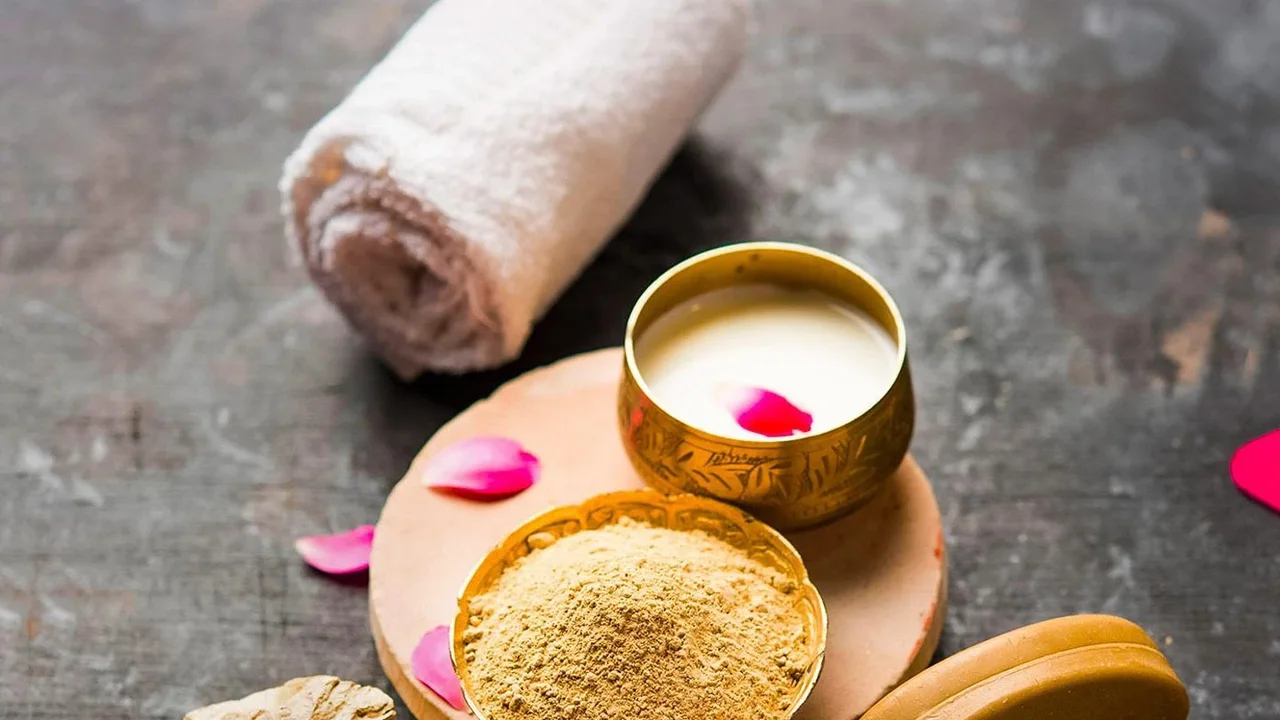
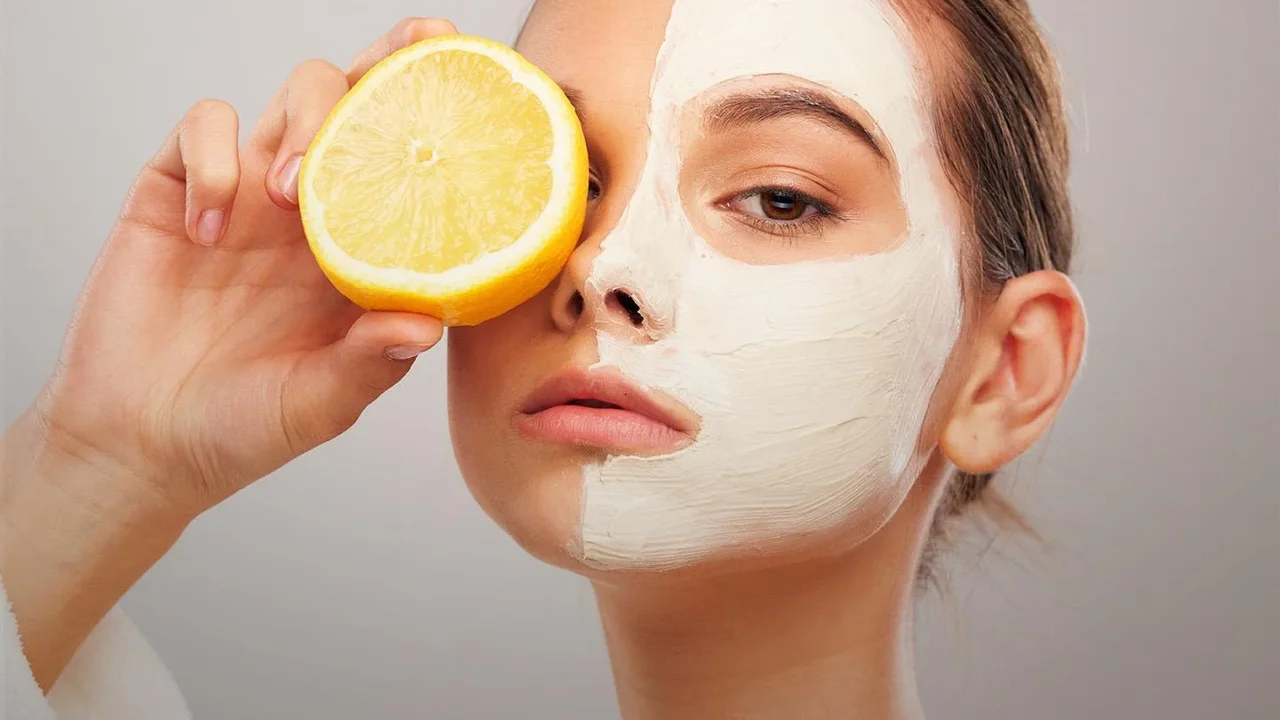
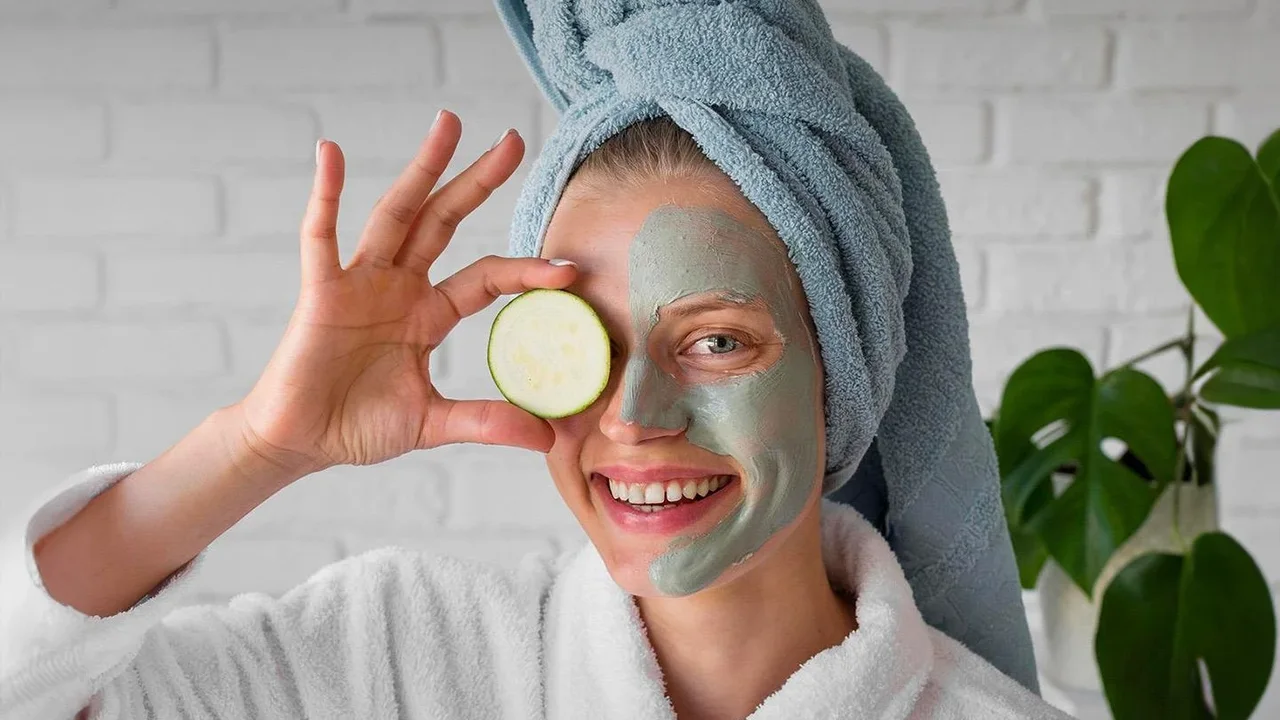
Rather than buying a whole new range of products, use targeted treatments for specific issues. If you’re dealing with excess oil, a serum with niacinamide can help regulate sebum production. For dullness, a Vitamin C serum can offer brightening benefits. Clay masks, used once a week, are excellent for drawing out impurities and controlling oiliness. Even simple home remedies can be effective. Toners made from rose water can help soothe the skin and clear pores. The goal is to incorporate one or two hardworking products that address your primary concerns, rather than layering multiple formulas that might overwhelm your skin in the humid weather.