




Before You Leave: Research and Route Planning
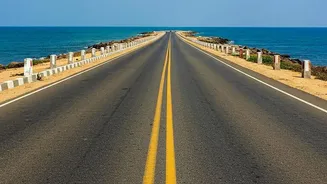
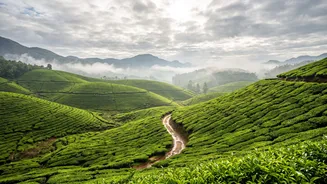
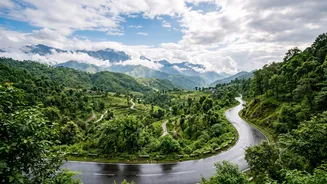
Proper planning is the most critical step for a safe monsoon journey. Before you even pack your bags, research your destination and the routes leading to it. Hilly regions like Himachal Pradesh and Uttarakhand, along with the Western Ghats, are beautiful
but prone to landslides during heavy rains. As recently as August 20, 2026, over 150 roads were closed in Himachal Pradesh due to monsoon rains. Always check weather forecasts from reliable sources like the India Meteorological Department (IMD). Pay attention to colour-coded alerts; an orange or red alert is a strong signal to reconsider your travel plans. Inform family or friends about your intended route and expected arrival time, and plan to drive during daylight hours to maximize visibility and access to help if needed.
The Pre-Monsoon Vehicle Health Check
Your car is your first line of defence against the elements. A thorough check-up is non-negotiable. Start with the tyres; they are your only contact with slippery roads. Ensure they have adequate tread depth (at least 3mm is recommended for monsoon safety) and are correctly inflated. Next, inspect your wiper blades. If they leave streaks or make squeaking sounds, replace them immediately. Fill the windshield washer reservoir with a proper cleaning solution, not just water. Brakes are equally vital, as wet roads significantly increase stopping distances. Have them checked for wear. Finally, test all your lights—headlights, taillights, indicators, and fog lamps—to ensure you can see and be seen in low visibility conditions.
Packing Your On-the-Go Emergency Kit
While you can't predict every disruption, you can prepare for them. An emergency kit is essential. This should include a well-stocked first-aid kit with basic medicines, bandages, and antiseptics. Pack extra food, drinking water, and a power bank for your phone. Crucial vehicle-specific items include a tow rope, jumper cables, a tyre inflator with a puncture repair kit, and a powerful torch with extra batteries. A reflective warning triangle and a high-visibility jacket are also vital if you have to stop on a highway at night. Keep all important documents like your driving license, RC, and insurance papers in a waterproof pouch.
On the Road: Smart Driving in Wet Conditions
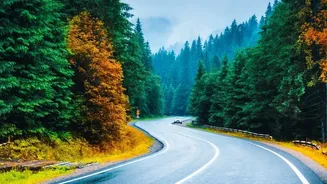
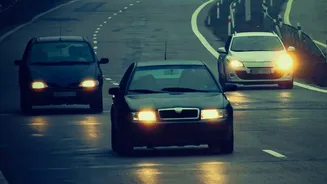
Once you are on your way, adapt your driving to the conditions. Reduce your speed and increase the following distance between your vehicle and the one in front to account for longer braking distances. Never use cruise control on wet roads, as it can increase the risk of hydroplaning, where your tyres lose contact with the road surface. Be especially cautious on bridges and in underpasses, which can flood quickly. If you encounter a waterlogged road, it's best to avoid it. It's impossible to judge the depth of the water or see hidden potholes and open drains. If you must cross, stay in a low gear, keep the engine revs high and consistent, and drive slowly to avoid creating a splash that could flood the engine. After exiting water, lightly tap your brakes a few times to dry them out.
Handling Major Disruptions: Landslides and Floods
Sometimes, despite the best planning, you might get stuck. Recent incidents, like the highway washout on the Mussoorie-Kempty route on August 20, 2026, show how quickly situations can change. If you are caught near a landslide, do not attempt to cross it. Park at a safe distance and wait for authorities. In case of severe waterlogging where your car stalls, do not try to restart the engine, as this can cause severe and expensive damage. If water levels rise around your vehicle, it may be safer to abandon the car and move to higher ground. Keep emergency numbers, such as the national helpline (112) and the NHAI helpline (1033), saved in your phone.