

The Magic of Millets in Your Mithai
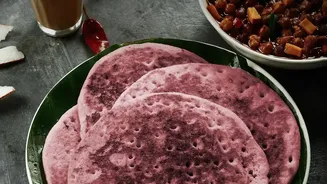
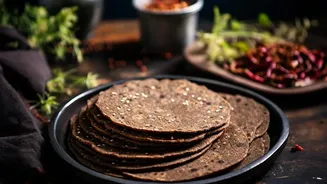
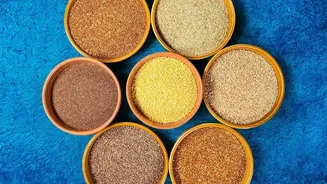
For centuries, millets were a staple in Indian kitchens before refined grains took over. Now, these ancient grains are making a comeback, celebrated for their impressive health benefits. Ragi (finger millet), bajra (pearl millet), and jowar (sorghum)
are naturally gluten-free powerhouses packed with fibre, protein, antioxidants, and essential minerals like iron and calcium. Incorporating them into desserts not only boosts the nutritional value but also adds a unique, earthy flavour. Their high fibre content helps in better digestion and provides a feeling of fullness, making your festive indulgence a little less guilty and a lot more nourishing.
Laddoos with a Healthy Twist: Ragi & Jowar
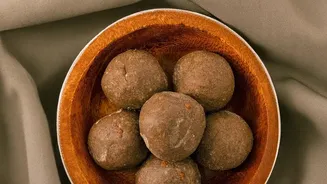
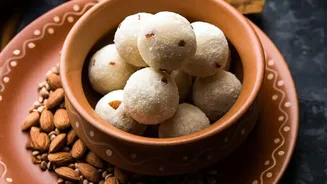
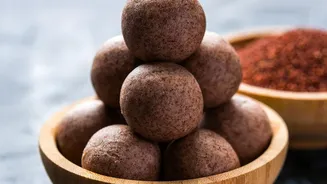
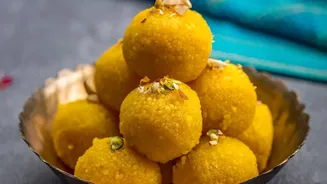
The quintessential festive sweet, the laddoo, can be easily reinvented. For Ragi Laddoos, the process is simple and rewarding. Start by roasting ragi flour in a bit of ghee on a low flame for about 5 to 8 minutes until it gives off a nutty aroma and has a sandy texture. This step is crucial to avoid a raw taste. Once the flour cools, mix it with a sweetener like powdered jaggery or cane sugar, cardamom powder, and roasted nuts like cashews or almonds. Add a little more warm ghee to help bind the mixture, then roll it into balls. These laddoos will keep well for a week in an airtight container. Similarly, you can make Jowar Laddoos by dry-roasting jowar flour, grinding it with nuts and dates, and then shaping the mixture.
A Creamy, Comforting Bajra Kheer
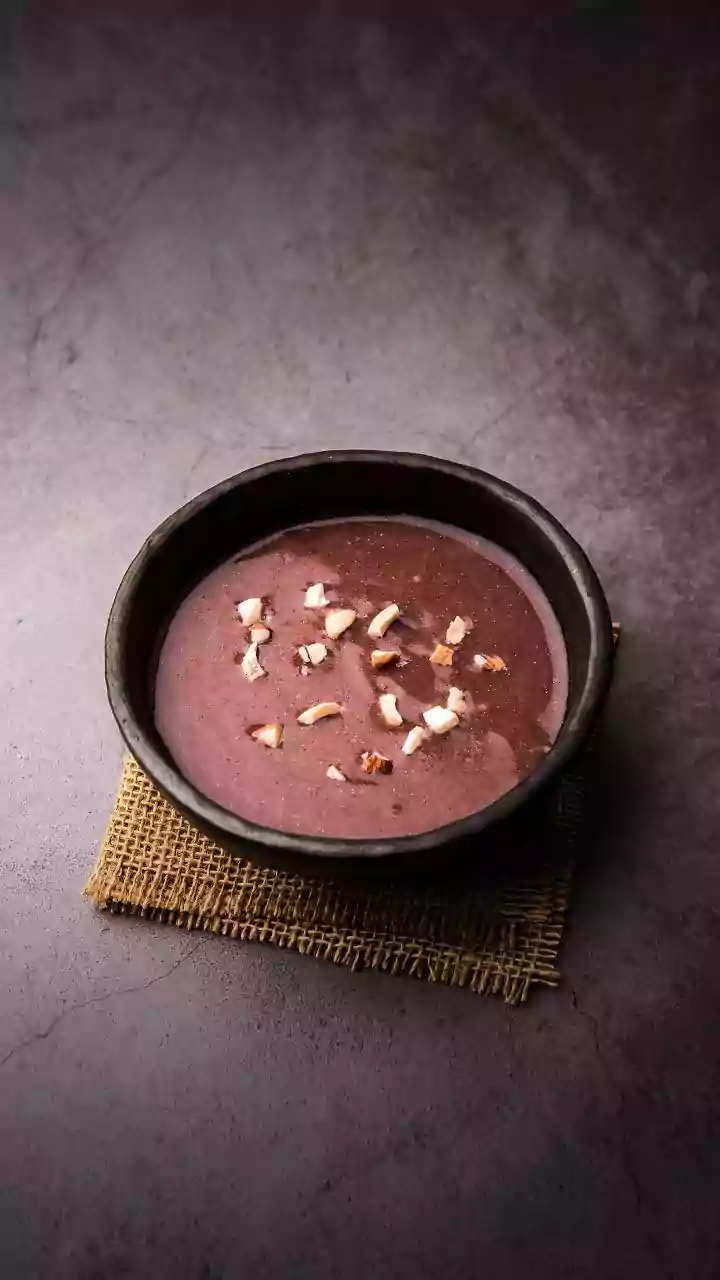
Kheer, the beloved Indian pudding, gets a wonderfully rustic and wholesome character when made with bajra. This dessert has roots in the rural kitchens of Rajasthan and Gujarat. To prepare it, soak whole pearl millet overnight. The next day, you can pressure cook the soaked bajra with water for a few whistles to soften it. In a separate heavy-bottomed pan, reduce full-fat milk by boiling it until it thickens. Add the cooked bajra to the reduced milk and let it simmer together for 10-15 minutes, allowing the flavours to meld. Sweeten with sugar or jaggery, and flavour with cardamom powder and saffron. Garnish with ghee-toasted nuts and raisins for a final flourish. The bajra retains a slight crunch, offering a delightful texture that's different from traditional rice kheer.
Tips for Perfect Millet Sweets
Cooking with millets can be slightly different from using refined flours. Roasting is key; always roast millet flours on a low flame, stirring constantly to prevent burning and to develop their characteristic nutty flavour. When making sweets like halwa or burfi with jowar or ragi flour, add hot water or milk slowly while stirring continuously to avoid lumps. If you are new to millet flours, you can start by substituting 25-30% of the regular flour in your recipes and gradually increase the proportion. For sweeteners, jaggery and date paste are excellent, healthier alternatives to refined sugar, and they complement the earthy notes of the millets beautifully. Remember that millet doughs and batters are gluten-free, so they might behave differently, often requiring a binding agent or careful handling.