




A Sanctuary for the Stars
High in the Indian Himalayas lies Ladakh, a starkly beautiful cold desert often called 'Little Tibet.' While its dramatic landscapes have long drawn adventurers, a new designation is attracting a different kind of explorer: the stargazer. In late 2022,
the Indian government officially designated the Hanle Dark Sky Reserve, the first of its kind in the country. This isn't just a catchy name; it's a formal commitment to protecting the night sky from light pollution. The reserve covers a significant area around the village of Hanle in eastern Ladakh, a region already home to the Indian Astronomical Observatory. This official status recognizes what astronomers have known for years: Ladakh's skies are among the clearest and darkest on the planet, offering an unparalleled window into the cosmos.
High Altitude, High Definition Views
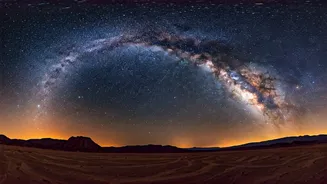
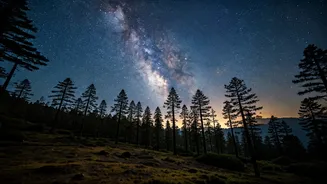
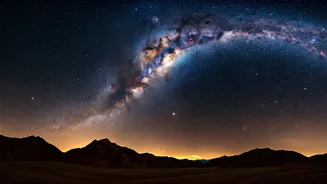
What makes Ladakh so special for stargazing? It's a perfect storm of geographical and atmospheric conditions. The region sits on a high-altitude plateau, with Hanle itself located at a breathtaking 14,764 feet. This elevation puts you above a significant portion of the Earth's atmosphere, which means less dust, water vapor, and turbulence to distort the starlight. The Himalayas create a rain shadow, making Ladakh an arid desert with over 270 clear nights per year. Combine that with its remote location and sparse population, and you have a recipe for minimal light pollution. For the average visitor from a U.S. city, the experience is staggering. The Milky Way isn't a faint, wispy cloud; it's a brilliant, textured river of light stretching from horizon to horizon. Constellations pop with a three-dimensional clarity, and shooting stars seem to streak across the sky every few minutes.
Community-Powered Astronomy
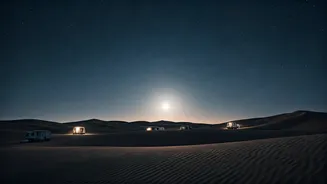
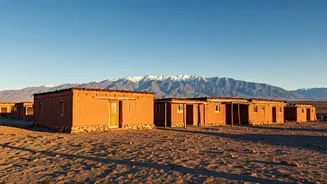
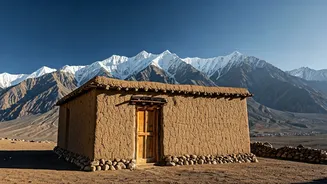
The push for the Dark Sky Reserve is about more than just science; it's about sustainable, community-driven tourism. The model being developed in Ladakh empowers local villagers to become the primary beneficiaries of this new astro-tourism boom. Instead of large hotel chains, the focus is on authentic homestays where travelers can experience Ladakhi culture firsthand. Local guides, many of whom have an innate knowledge of the night sky passed down through generations, are being trained in basic astronomy and telescope operation. These 'astronomy ambassadors' lead stargazing sessions, sharing both scientific facts and traditional folklore associated with the stars. This approach ensures that the economic benefits flow directly into the community, providing a sustainable livelihood that also incentivizes the preservation of the pristine environment and the dark sky itself.
Planning Your Celestial Escape
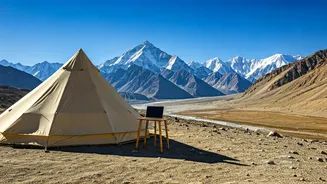
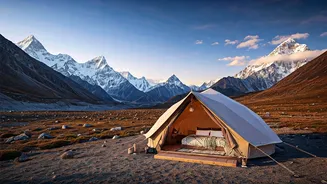
A trip to Ladakh is an adventure, not a casual weekend getaway. For American travelers, the journey involves flying into Leh, the region's main town (itself at 11,500 feet), and spending several days acclimatizing to the altitude before venturing further to Hanle. Altitude sickness is a real risk and should be taken seriously. The best time to visit for stargazing is from April to October, outside the harsh winter and during the dry season. The experience is rustic. Accommodations are simple but warm and welcoming. The reward for the effort, however, is immense. It's a chance to disconnect from the frantic pace of modern life and reconnect with something fundamental. You're not just observing the universe; you're feeling your place within it, humbled by the scale and beauty of a truly dark night sky.