


Identifying the Problem: Drowning Roots
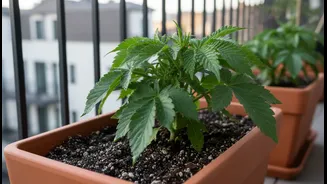
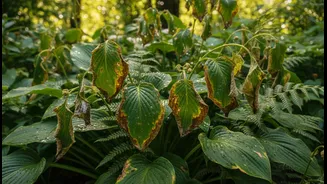
Overwatering is one of the most common reasons container plants fail. When soil becomes saturated, the air pockets that roots rely on for oxygen fill with water. This can lead to root suffocation and, eventually, root rot. Telltale signs include leaves
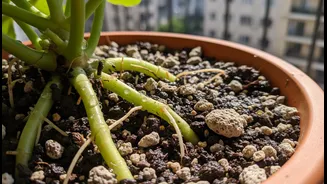
turning yellow or wilting even though the soil is wet, mushy stems near the base, and a sour or musty smell coming from the pot. A healthy plant needs a balance of moisture and air, and prolonged waterlogging throws this system into crisis. Before taking action, confirm that the soil is indeed soggy and not just dry and compacted, which can also cause wilting.
The Sand Solution: A Quick Intervention
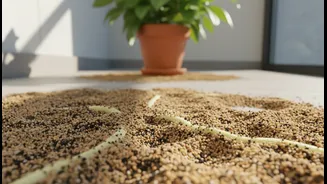
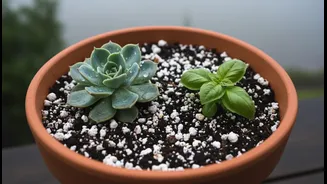
The headline's suggestion—incorporating dry, coarse sand into the upper strata—is a targeted rescue technique. The idea is to improve the porosity of the topmost layer of soil. This allows air to penetrate and helps surface water drain more quickly rather than pooling. It is crucial to use coarse sand, like builder's sand or horticultural grit. Fine sand, such as play sand, can mix with fine-textured potting soil or clay and create a dense, concrete-like substance, which would worsen drainage problems. This method is an immediate fix, aiming to create air channels and absorb some surface moisture without the stress of a full repot.
Step-by-Step Guide to Applying Sand
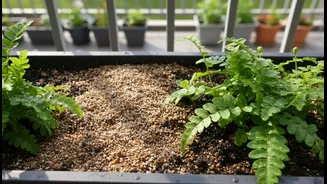
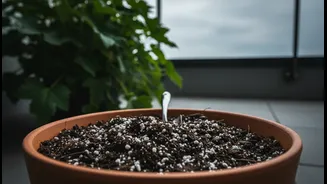
To salvage your plant, act quickly. First, gently tilt the planter to ensure the drainage holes are not blocked. If possible, use a skewer or chopstick to carefully poke several deep holes into the soil, especially around the edges, to help introduce air. Next, if the plant is not too dense, gently loosen the top one to two inches of soil with your fingers or a small fork. Be careful not to damage the main roots near the stem. Now, take a small amount of dry, coarse sand and mix it into the loosened topsoil. A ratio of about one part sand to four parts soil in that top layer is a reasonable starting point. Do not simply pour a layer of sand on top, as it needs to be integrated into the soil to be effective.
Important Caveats and Considerations
While adding sand to the top layer can provide immediate relief, it is not a cure-all. The effectiveness depends heavily on your existing soil mix. If your planter contains heavy, clay-like soil, adding sand can be risky and may lead to compaction. The primary goal of this technique is to address surface saturation. It does not solve deeper drainage issues or a severely compacted root ball. Furthermore, adding a layer of gravel to the bottom of pots is now a widely debunked myth; this practice can create a 'perched water table,' which holds water in the main root zone and actually worsens drainage. True drainage comes from having a well-formulated potting mix throughout the entire container and ensuring clear drainage holes.
Long-Term Solutions for Healthy Planters
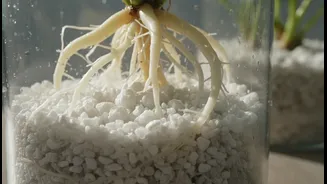
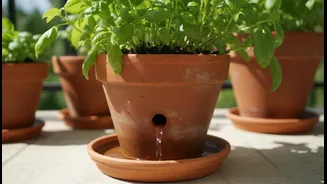
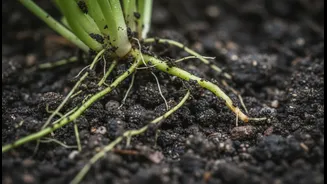
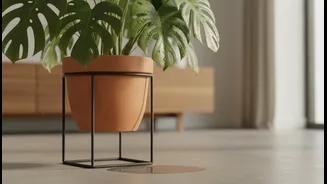
The best long-term strategy is prevention. If a plant is severely waterlogged, the most effective solution is to repot it entirely. Gently remove the plant, inspect the roots, and trim away any that are brown, mushy, and rotting. Replant it in a new pot with fresh, well-draining potting mix. Look for mixes that contain ingredients like perlite, pumice, or coco coir, which are designed to create a light, airy structure. Ensure any pot you use has ample drainage holes. For future plantings, always choose a high-quality potting medium over heavy garden soil, which compacts easily in containers. Getting the soil right from the start is the key to preventing waterlogging tragedies.