





The Science Behind the Benefit
Recent large-scale studies have highlighted a significant connection between higher plant protein intake and a lower risk of cardiovascular disease. A meta-analysis of numerous trials found that substituting animal protein with plant protein led to modest
but meaningful reductions in LDL ('bad') cholesterol, non-HDL cholesterol, and apolipoprotein B, all of which are key markers for heart disease risk. Another long-term study published in The American Journal of Clinical Nutrition followed nearly 203,000 people over 30 years and found that those with the highest ratio of plant-to-animal protein had a 19% lower risk of cardiovascular disease and a 27% lower risk of coronary heart disease. The benefits appear to be most significant when plant proteins, particularly from nuts and legumes, replace red and processed meats.
How Do Plant Proteins Protect the Heart?
The protective effects of plant proteins are multifaceted. Firstly, plant-based protein sources are naturally free of cholesterol and contain significantly less saturated fat than many animal products. They are also packed with dietary fibre, which actively helps remove excess cholesterol from the body. Beyond that, plant foods deliver a wealth of beneficial compounds that animal proteins lack. These include phytochemicals and antioxidants, which combat cellular damage and reduce inflammation—a key driver of heart disease. Some plant proteins are rich in specific amino acids like arginine, which helps improve blood vessel function. This combination of lower harmful fats and higher protective nutrients creates an ideal environment for a healthier heart.
Stocking Your Indian Kitchen for Heart Health
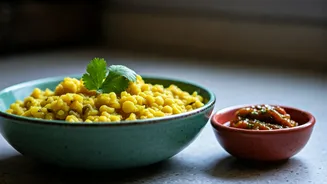
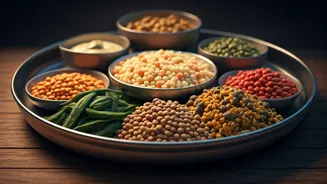
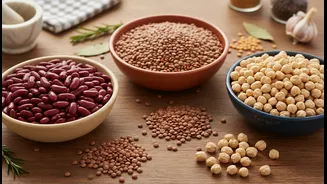
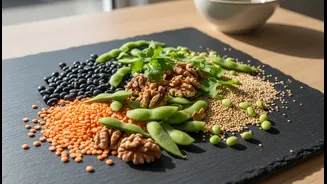
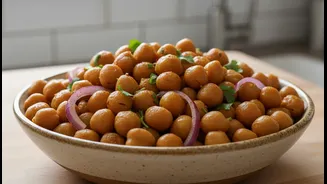
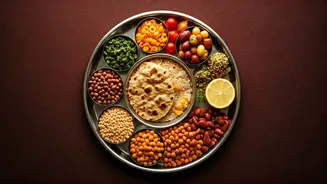
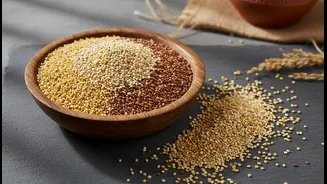
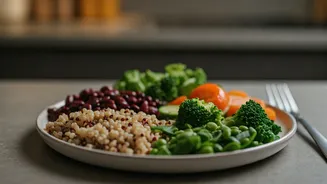
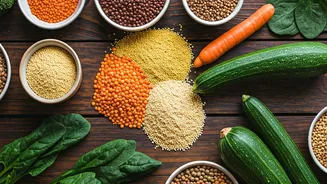
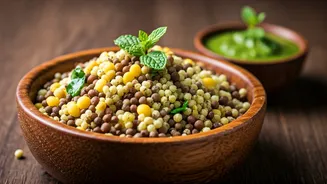
The good news is that a heart-healthy, plant-protein-rich diet is already at the heart of traditional Indian cuisine. You don't need to look for exotic ingredients. Staples like lentils (dal), chickpeas (chana), and kidney beans (rajma) are nutritional powerhouses. Soya, in forms like tofu, edamame, and soya chunks, offers a complete protein profile. Millets such as jowar, bajra, and ragi are excellent sources of protein and fibre. Don't forget nuts and seeds like almonds, walnuts, and flaxseeds, which provide protein along with healthy fats. Even common vegetables like green peas contribute to your daily intake. Embracing these foods means you are not just adding protein but also a variety of essential vitamins and minerals that support blood pressure control and overall cardiovascular wellness.
Simple Swaps for a Stronger Heart
Incorporating more plant protein doesn't require a complete dietary overhaul. Start with small, manageable changes. Try dedicating one or two days a week to meat-free meals. You can replace mutton or chicken in a curry with chickpeas or soya chunks. Instead of reaching for processed snacks, opt for a handful of roasted chana or mixed nuts. Add a spoonful of seeds to your morning porridge or dahi. When making stir-fries or gravies, consider using tofu or tempeh. Combining cereals with legumes, like in the classic dal-rice or rajma-chawal, creates a complete amino acid profile, ensuring you get high-quality protein. These simple swaps can significantly shift your plant-to-animal protein ratio, leading to tangible health benefits over time.