






The New 30-Day Rule
In a decision made on July 14, 2026, the Thai cabinet confirmed that Indian passport holders will continue to enjoy visa-free entry. However, there's a key change: the maximum period of stay has been revised from 60 days to 30 days. This adjustment is part
of a broader overhaul of Thailand's visa framework, which saw the 60-day visa-free scheme for 93 countries revoked over concerns of misuse. The new 30-day limit for India and 58 other nations is intended to strike a balance between promoting tourism and enhancing national security. The change will officially take effect 15 days after it is published in the Royal Gazette.
Why the Policy Reversal?
The decision to maintain visa-free access for India comes after a period of uncertainty. In May 2026, the Thai government had initially approved a proposal to remove India from the visa-free list and revert to a visa-on-arrival system. This announcement caused confusion and reportedly led to a significant drop in tourist arrivals from India, a crucial market for the nation's tourism industry. Recognizing the economic impact, officials reversed course. Tourism Minister Surasak Phancharoenworakul stated that the new 30-day visa-free entry was approved to align with the typical travel behaviour of Indian tourists, who on average stay for about 7.2 days. India is currently Thailand's third-largest source of tourists, trailing only China and Malaysia.
What This Means for Your Travel Plans
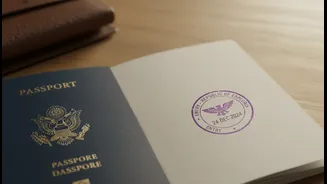
For the vast majority of Indian tourists, this is welcome news. The 30-day stay is more than sufficient for typical holiday plans, which often range from five days to two weeks. The primary benefit is convenience and cost-saving; travellers can avoid the visa application process and associated fees, making spontaneous trips much easier. Instead of needing a visa on arrival, which involved fees and potential queues, Indian citizens can now enter directly with a 30-day permission stamp. However, travellers planning to stay longer than 30 days will now need to apply for an appropriate visa in advance of their trip.
Documents You Still Need
Visa-free entry simplifies the process, but it doesn't eliminate all requirements. Indian travellers should still ensure they have all necessary documents ready for immigration. This includes a passport with at least six months of validity from the date of arrival. It's also wise to carry proof of a confirmed return flight ticket and details of your hotel accommodation. Furthermore, all foreign visitors must complete the Thailand Digital Arrival Card (TDAC) online before arriving in the country. While random checks are not an everyday occurrence, immigration officials reserve the right to ask for proof of sufficient funds for your stay.
A Boost for Thai Tourism
This policy clarification is a strategic move to stabilise and boost Thailand's vital tourism sector. By reinstating clear and favourable terms for one of its largest markets, the government aims to reverse the recent dip in arrivals and reaffirm its image as a welcoming destination. The new framework also standardises visa privileges for all 27 European Union member states and grants 30-day visa-free entry to a handful of other nations, including Croatia, Malta, and the Maldives. This broader strategy is designed to make travel to Thailand more seamless and predictable for tourists from key regions around the world.