



A Tradition Soaked in Summer
For over three decades, the Aam Mahotsav, or Mango Festival, has been a cornerstone of Delhi's summer calendar. Organised by Delhi Tourism, this event has earned its 'legendary' status by transforming a simple fruit exhibition into a grand cultural celebration.
It’s more than just a market; it's a sensory pilgrimage for anyone who has ever waited impatiently for the first Dussehri or Langra of the season. The festival brings together farmers and growers from across the country, particularly from mango heartlands like Uttar Pradesh, Bihar, and West Bengal, creating a national showcase for the king of fruits. It’s a place where tradition meets public enthusiasm, solidifying the mango’s place not just on our plates, but in our cultural identity.
The Grand Parade of Mangoes
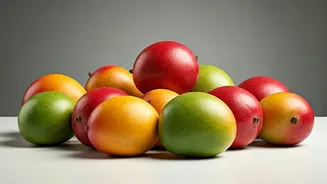
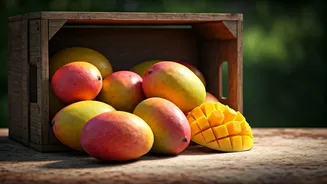
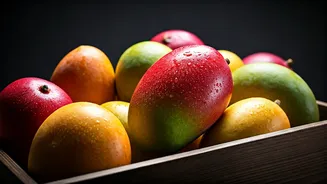
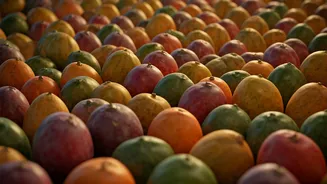
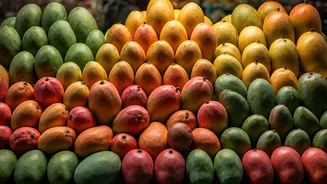
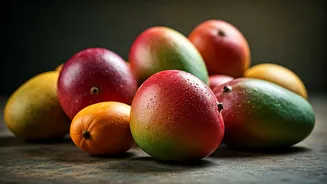
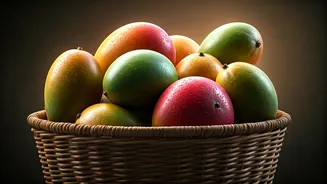
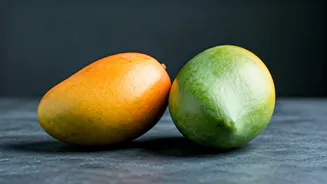
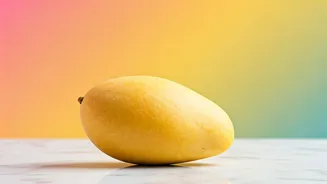
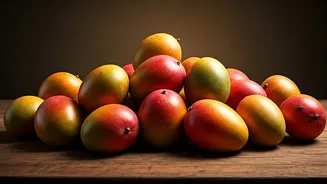
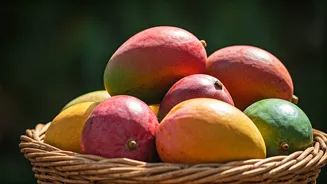
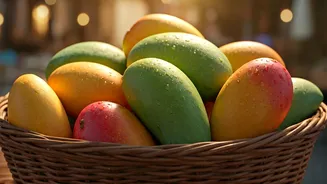
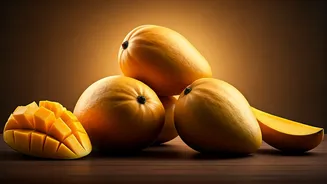
The main attraction, without a doubt, is the staggering variety of mangoes on display. Forget the two or three types you find at your local vendor. The festival regularly features over 500 varieties, many of which you’ve likely never heard of, let alone tasted. You can wander from stall to stall, admiring the unique shapes, colours, and sizes. There’s the famous Alphonso from Maharashtra, the intensely sweet Dussehri from Uttar Pradesh, the fibrous but flavourful Langra from Varanasi, and the late-season Chausa, known for its incredible fragrance. You'll also discover rare and exotic varieties like Himsagar, Kesar, and even unusually named ones like ‘Anarkali’ or ‘Aishwarya’. Many stalls offer free samples, allowing you to embark on a tasting journey that educates your palate on the subtle and dramatic differences between each cultivar.
More Than Just A Fruit Show
While the mangoes are the stars, the festival is a full-fledged carnival. It’s a haven for competitive spirits and those looking for some light-hearted fun. The mango-eating competition is a perennial crowd-puller, where participants race against time to devour as many mangoes as possible, often to the roaring encouragement of the crowd. It’s a messy, hilarious, and unforgettable spectacle. Beyond that, there are contests for the best mango-themed slogans and quizzes to test your fruit knowledge. For those less inclined to compete, there are vibrant cultural programmes featuring folk music and dance, adding another layer of entertainment. It’s an event designed for families, friends, and solo explorers alike, with something to keep everyone engaged.
A Culinary Heaven
The headline’s claim of it being 'heaven for foodies' is no exaggeration. The festival is a culinary laboratory where the mango is the only element. Food stalls overflow with an imaginative array of mango-based products. You can start with a refreshing glass of aam panna or a thick mango shake. For your main course, you might find savoury dishes you never thought possible, like mango curry or mango-infused biryani. But the real magic lies in the desserts and processed goods. From mango kulfi, mango ice cream, and mango cheesecake to jars of mango chutney, jam, pickles (aam ka achaar), and dried mango slices (aam papad), you can taste—and take home—the flavour of summer in countless forms. It’s the perfect place to stock up on mango goodies that will last you long after the season has ended.
Making the Most of Your Visit
To truly enjoy the festival, a little planning helps. It's typically held over a weekend in early July at venues like Dilli Haat, which are well-connected by the Delhi Metro. Go with an empty stomach and an open mind. Be prepared for crowds, especially during the evening, so arriving earlier in the day can give you a more leisurely experience. Wear comfortable shoes, as you’ll be doing a lot of walking. Most importantly, interact with the farmers. They are a treasure trove of information and are usually more than happy to share stories about their prized fruits. Bring cash for smaller stalls, though many now accept digital payments.