


Why Wind Is an Invisible Threat
More than just a risk for knocking over pots, wind is a primary cause of plant stress. The main issue is moisture loss. Constant wind passing over leaves strips away moisture much faster than the plant's roots can absorb it from the soil. This leads to
a condition called 'windburn' or 'scorch', which causes the edges of leaves to turn brown, dry, and brittle. In addition to dehydration, strong winds cause physical damage. Leaves can become torn or shredded, and tender stems can snap. This physical stress not only harms the plant's appearance but also creates openings for diseases to enter. For younger plants, wind can also stunt growth by forcing the plant to focus its energy on survival rather than development, resulting in smaller plants with larger roots and thicker, but shorter, stems.
Identifying Your Most Vulnerable Plants
Not all plants are equally affected by wind. The most susceptible are often those with large, broad leaves, such as hydrangeas, bananas, and some varieties of maple. These large leaves act like sails, catching the wind and making them prone to tearing and dehydration. Tall, slender plants with delicate stems, like delphiniums, foxgloves, and single-stem sunflowers, are also at high risk of snapping. Newly planted annuals, seedlings, and any plant with a still-developing root system are especially vulnerable because they are not yet securely anchored in the ground. Plants in containers are also at particular risk, as the pots can dry out quickly and are more easily toppled. Pay close attention to these types in your garden, as they will be the first to show signs of wind stress.
The Best Defence: Strategic Relocation
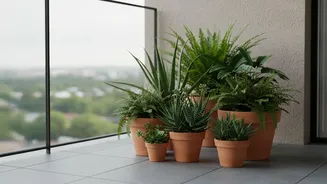
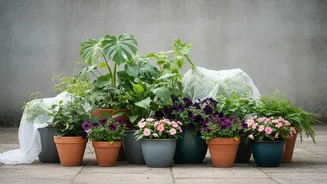
The advice in the headline is the single most effective strategy for container plants. If you can move them, do it. When a windy day is in the forecast, relocate potted plants to a more sheltered location. An ideal spot is against the wall of a house, behind a solid fence, or nestled into a corner of a patio. Even grouping several pots together can provide mutual support and create a microclimate that reduces the impact of the wind on each individual plant. This clustering strategy helps to increase humidity around the plants and allows them to collectively resist the force of the wind more effectively than they would alone. Check the prevailing wind direction in your garden and find a permanent spot for your delicate container plants that is naturally shielded from the strongest gusts.
When You Can't Move Them: Create a Windbreak
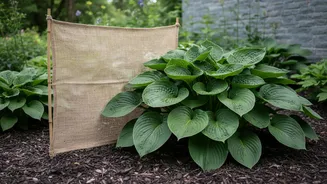
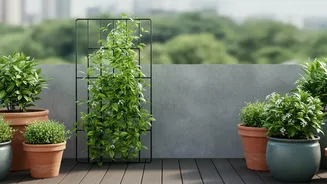
For plants rooted in the ground, relocation isn't an option. In this case, the solution is to reduce the wind's velocity before it reaches them. You can do this by creating a windbreak. This doesn't have to be a solid wall, which can sometimes create destructive turbulence on the other side. A slightly permeable barrier is often better, as it filters and slows the wind rather than just blocking it. Permanent solutions include planting a sturdy hedge of wind-tolerant shrubs like juniper or holly. For a quicker fix, you can install a section of trellis, lattice, or even woven fencing made from willow or bamboo. These structures break the wind's momentum while still allowing for some airflow, protecting the plants behind them without creating stagnant air pockets.
Immediate Support and Quick Fixes
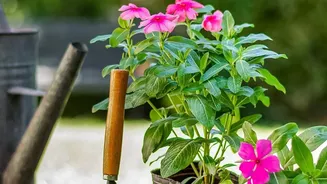
If a storm or a few windy days are forecast, you may need temporary solutions. For tall or top-heavy plants, providing physical support is key. Use bamboo canes, stakes, or trellises to secure them and prevent stems from breaking. Be sure to tie the plant loosely so it has some room to move without rubbing against the support. For smaller, delicate plants, you can create a temporary shield using garden fleece or fine mesh netting, secured with pegs or weights. These covers can be draped over plants to reduce the direct force of the wind. After a windy period, it’s important to check your plants. Water them well to help them rehydrate, and prune away any leaves or stems that are broken or badly damaged to prevent disease and encourage new, healthy growth.