





Start at the Source: Better Recordings
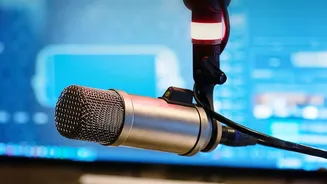
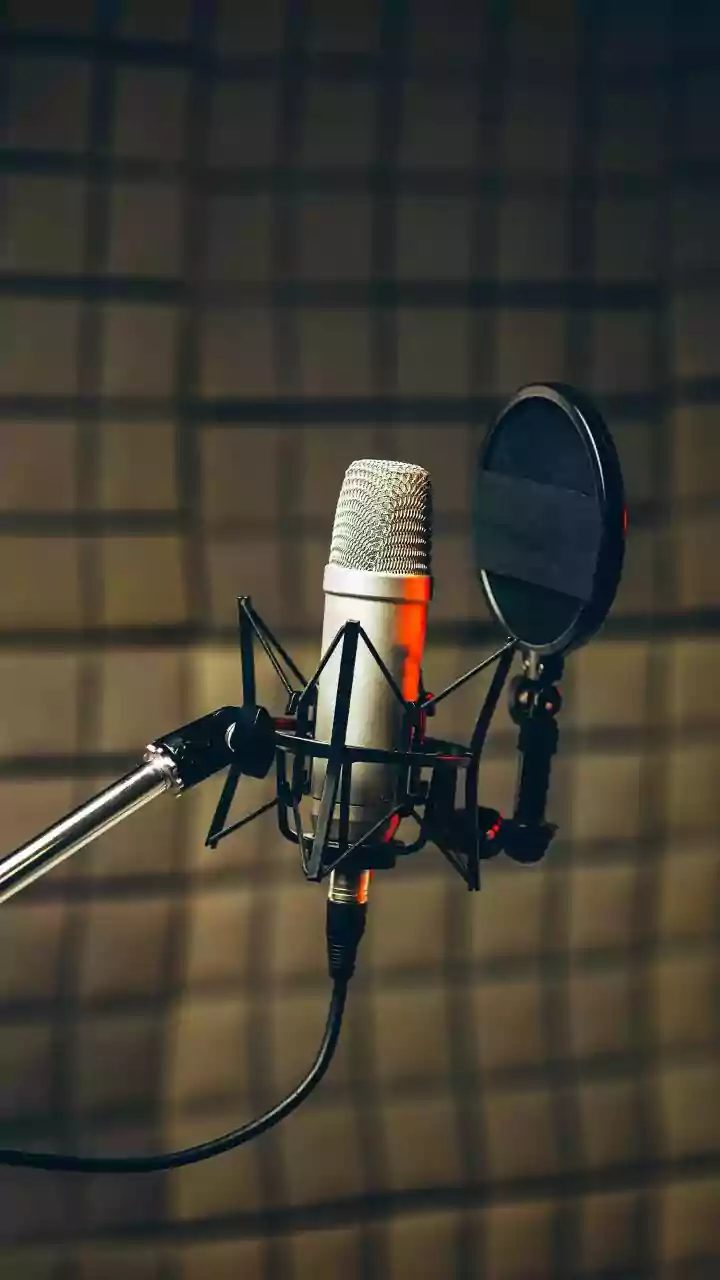
The best way to get clean audio is to capture it cleanly in the first place. While you can't control a noisy classroom, you can improve what your device picks up. Try to sit closer to the front, away from doors or chatty classmates. Place your phone or recording
device on a soft surface like a notebook to dampen vibrations. If possible, use an external microphone, even a simple lapel mic, as it can dramatically improve quality by focusing on the lecturer’s voice and ignoring surrounding noise.
The Clean-Up Act: Editing Your Audio
Even with the best preparation, your audio file will likely have background hum, sudden loud noises, or long pauses. This is where free audio editing software becomes your best friend. A powerful and popular choice is Audacity, which is free for all major operating systems. Using its 'Noise Reduction' effect, you can sample a piece of background noise and then remove that specific hum from the entire recording. You can also use the 'Amplify' tool to make a quiet lecturer louder and 'Truncate Silence' to remove long, awkward gaps, significantly shortening the file without losing content.
From Speech to Text: AI Transcription
Listening back to hours of audio is inefficient. The next step is to convert your cleaned-up audio file into text using an AI transcription service. Many services offer free tiers that are generous enough for student use, allowing you to upload your audio file and receive a full, time-stamped transcript within minutes. While the accuracy might not be 100%, especially with technical jargon, it provides a searchable text document that is far easier to work with than raw audio. Having the text allows you to quickly scan for key topics and copy-paste important sections.
Distill the Knowledge: AI Summarization
Now you have a long text document, but it’s still not a revision tool. The goal is to find the core concepts. This is where AI summarization tools like QuillBot or Scholarcy come in handy. You can paste your entire transcript (or large chunks of it) into these tools and ask them to summarize the main points, generate a bulleted list of key ideas, or define important terms. This step condenses a one-hour lecture into a few hundred words of core information, saving you the manual effort of rereading and identifying key themes yourself.
The Final Product: Crafting Revision Cards
This is the final and most crucial step. Take the summarized points from the AI and turn them into revision cards. This process of creating the cards is a form of active recall itself. For each key concept, create a card with a question, term, or prompt on one side, and the answer or explanation on the other. You can do this with physical index cards or use free digital flashcard apps like Anki or Quizlet, which allow you to add images and test yourself with spaced repetition. By breaking down complex topics into simple question-and-answer pairs, you transform passive notes into an active learning system that is proven to improve memory retention for exams.