
A Monsoon Spectacle Unveiled
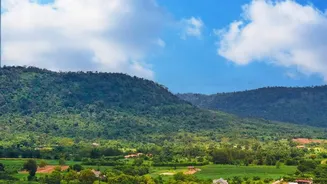
Located about 50 kilometres from the Bokaro district headquarters, Sevati Valley, also known as Sevati Ghati, undergoes a dramatic transformation with the arrival of the rains. The landscape, part of the Chotanagpur Plateau, sheds its dry guise and cloaks
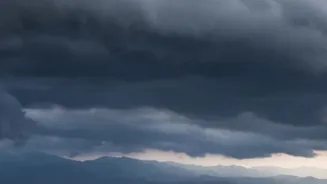
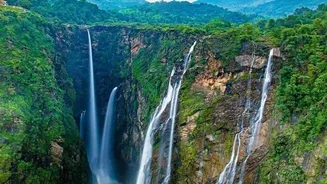
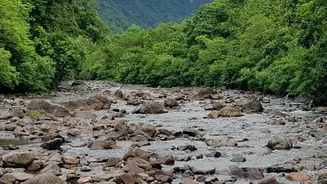
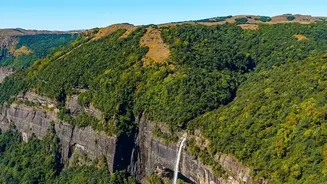
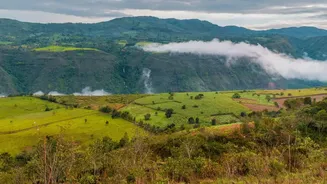
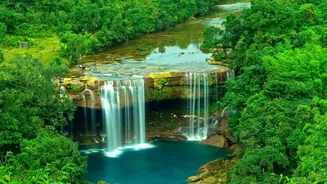
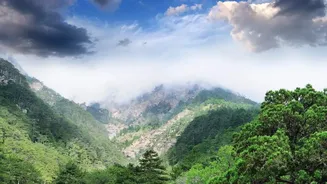
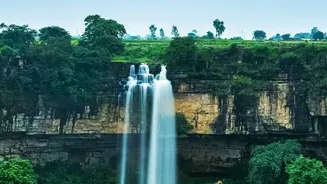
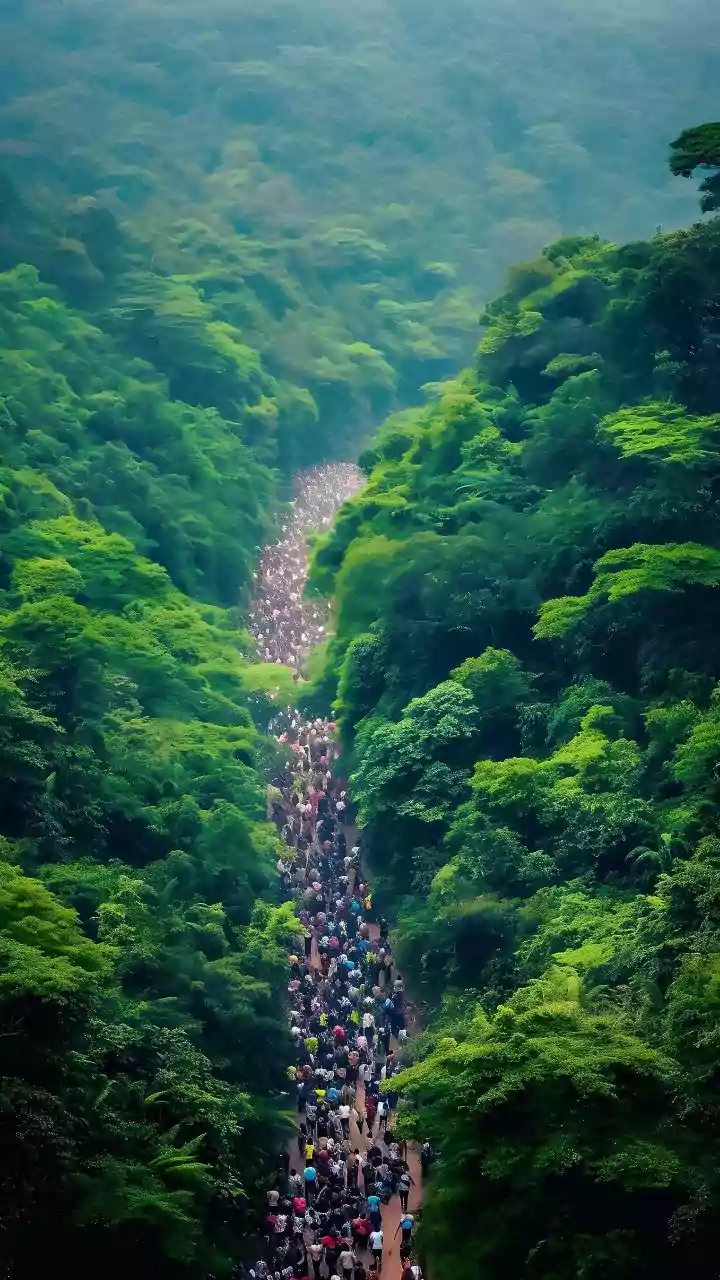
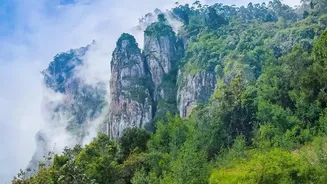
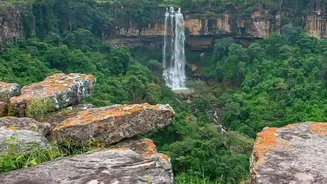
itself in countless shades of green. The valley is situated in the Kasmar block, close to the border of Jharkhand and West Bengal, making it accessible to visitors from both states. During the monsoon, the area becomes a breathtaking panorama of cloud-covered hills, lively streams, and the valley's main attraction: a magnificent waterfall that gushes down the rocky terrain. This seasonal spectacle has long been a favourite for locals, but is now capturing the attention of a wider audience.
The Allure of Water and Greenery
The primary draw for visitors is the stunning waterfall that becomes the valley's centrepiece. Recent steady monsoon rains have made the cascade particularly spectacular, creating a picture-perfect scene of white water tumbling through dense, dark foliage. This has turned the valley into a popular backdrop for photos and selfies, with many travellers and motorists pulling over simply to admire the view. The experience is more than just visual; it's the combination of the cool, misty air, the sound of the rushing water, and the serene, natural environment that makes a trip to Sevati Valley so compelling during this time of year. For nature lovers and those seeking a peaceful escape from city life, the valley offers an immersive experience.
The Journey and Growing Popularity
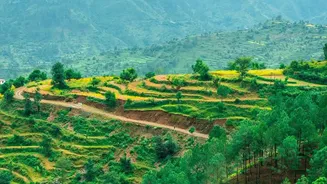
Part of the valley's charm is the journey itself. The drive to the area winds through scenic landscapes, offering glimpses of rural Jharkhand. While the valley is already listed on the state's tourism map, its popularity has surged organically, largely through word-of-mouth and social media. Residents from Bokaro Steel City and nearby areas have been flocking to the spot to witness its monsoon makeover. This growing interest highlights its potential as a significant tourist destination. The Bokaro district administration had previously identified Sevati Ghati in 2022 as one of several spots with potential for tourism development, signalling official recognition of its value.
A Call for Sustainable Development
With increasing footfall comes the urgent need for infrastructure and responsible management. Currently, the amenities in Sevati Valley are minimal. Local leaders and residents have voiced the need for basic facilities such as designated seating areas, proper signboards, sanitation, and enhanced safety measures around the waterfall. Local Mukhiya Sarita Devi has pointed out that with proper development, the valley could become a major draw for tourists, which would, in turn, create livelihood opportunities for the local communities. The challenge lies in balancing development with preservation. The very wildness and untouched beauty that make Sevati Valley attractive could be compromised without careful planning. The goal is to enhance the visitor experience while protecting the natural ecosystem that defines the destination.
Planning Your Visit
While the monsoon season (July to September) is when the valley is at its most vibrant and the waterfall is in full flow, the post-monsoon and winter months from October to March are also considered a good time to visit. During this period, the weather is cool and pleasant, making it ideal for trekking and picnics in the hills. The valley's terrain is suitable for light trekking, offering visitors a chance to explore the serene landscape on foot. As it stands, Sevati Valley is a destination for the adventurous traveller who appreciates raw, natural beauty. It remains an offbeat spot perfect for a day trip, offering a refreshing dose of nature away from the urban hustle.