







The Big Picture: What's Changing?
For years, Thailand has been the go-to international destination for many Indians, thanks to its stunning beaches, vibrant culture, and, until recently, very relaxed visa rules. However, the Thai government has recently revamped its entire visa framework.
In mid-2026, a proposal that had caused confusion and a dip in tourism was clarified. The previous 60-day visa exemption for Indian passport holders has been adjusted. The new rules aim to streamline tourism, enhance security, and attract different types of visitors, from short-stay vacationers to long-term remote workers. For the budget-conscious traveller, this doesn't mean Thailand is off the cards; it just means planning is more crucial than ever.
The New Reality of Visa-Free Travel
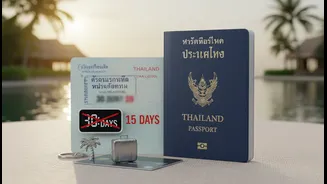
The most significant change for most Indian tourists is the adjustment to the visa-free entry scheme. After some back and forth, the Thai cabinet confirmed that visa-free entry for Indians will continue, but the permitted stay has been reduced from 60 days to 30 days. This decision was made to align with the typical travel behaviour of Indian tourists, who on average stay for about a week. While this shortens the potential length of a completely free stay, a 30-day window is still ample for a comprehensive holiday. This move scraps the previous confusion where visa-free travel was at risk of being eliminated entirely, providing clarity for future travel plans.
The 'Destination Thailand Visa' for Longer Stays
For those who dream of a longer Thai sojourn, there's a new, exciting option: the Destination Thailand Visa (DTV). Often called a 'digital nomad' visa, this five-year, multiple-entry visa is designed for remote workers, freelancers, and others wanting an extended 'workcation'. Each entry allows a stay of up to 180 days, which can be extended for another 180 days for a fee, allowing for nearly a full year in the country. However, this flexibility comes with requirements. Applicants must be at least 20 years old and show proof of sufficient funds — typically at least 500,000 THB (approximately ₹11.5 lakhs) in a bank account. The visa fee itself is around 10,000 THB (about ₹23,000).
What This Means for Your Wallet
These updated rules create a two-tiered system. For trips under 30 days, travel remains highly affordable and straightforward, with no visa costs involved. However, for longer trips, a more strategic financial plan is needed. Travellers opting for a visa on arrival (if applicable) or extending their stay will face fees. For example, a visa extension typically costs around 1,900 THB (about ₹4,400). Furthermore, immigration officials may perform random checks to ensure tourists have sufficient funds for their stay, often cited as 10,000-20,000 THB per person. The new DTV, while an excellent option for long-term stays, requires significant savings as proof of financial stability, placing it outside the typical budget-backpacker category.
Planning Your Trip Strategically
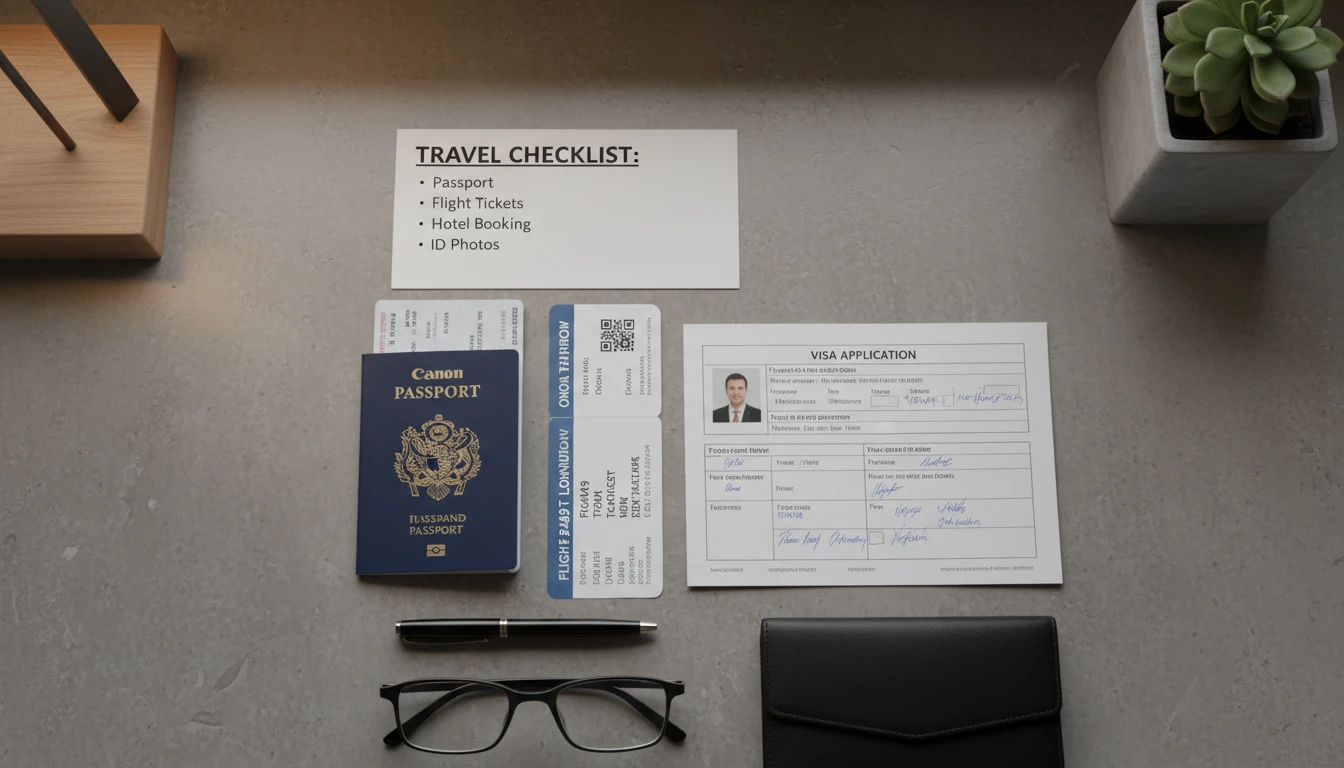
So, how do you plan a budget-friendly trip with these new rules? First, define the length of your stay. If it's under 30 days, leverage the visa-free scheme and you're set. For a trip between 30 and 60 days, you might consider applying for a 60-day tourist e-visa before you leave India, which is a more predictable option than trying to extend your stay while in Thailand. Always carry copies of your return ticket, hotel bookings, and a basic itinerary, as officials may ask for them. Also, ensure your passport has at least six months of validity from your date of entry. Finally, remember to fill out the Thailand Digital Arrival Card (TDAC) online before you travel. By being prepared, you can navigate the new system smoothly and keep your focus on enjoying everything the 'Land of Smiles' has to offer.