




The Monsoon's Verdant Embrace
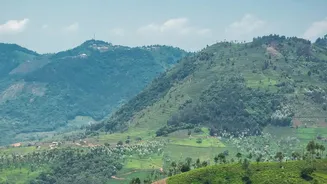
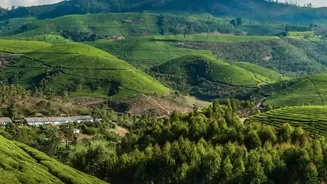
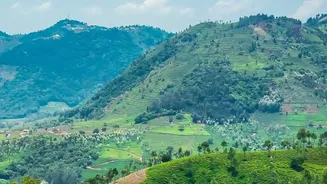
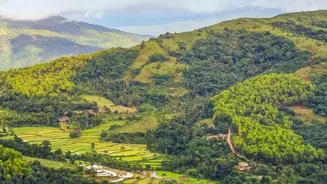
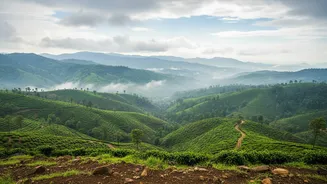
While many tourist destinations wind down during the monsoon, Araku Valley, nestled in the Eastern Ghats of Andhra Pradesh, comes alive in a way that dry seasons cannot match. The period from June to September transforms the landscape into an intense
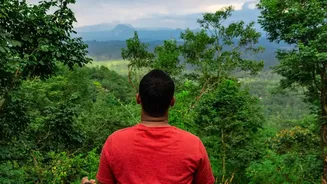
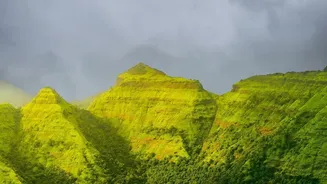
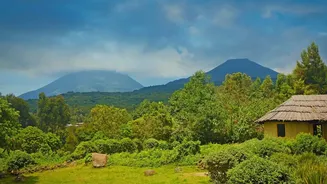
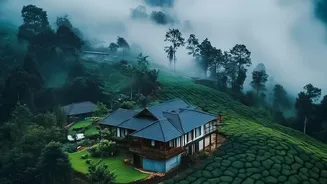
shade of green, as monsoon rains saturate the forests and coffee plantations. This seasonal shift creates a dramatic, atmospheric beauty, with misty hills, dramatic cloud-filled skies, and the constant, soothing sound of water. For urban travellers, this sensory immersion is the first step in disconnecting from the concrete jungle. Waking up to mist-filled valleys and the smell of rain-soaked earth offers what many describe as a soul-cleansing experience, a world away from polluted city air.
Altitude and Attitude Adjustment
Perched at an elevation of around 3,000 to 4,500 feet, Araku’s high-altitude environment offers more than just stunning views; it provides subtle physiological benefits that aid in a mental reset. Being at a higher altitude means the air is cleaner and contains fewer pollutants, which can be a welcome relief for urban respiratory systems. Furthermore, the body adapts to the lower oxygen levels by improving respiratory efficiency and producing more red blood cells, which can enhance cardiovascular performance and stamina over time. This physical adaptation, combined with the tranquil environment, encourages a slower pace of life, helping to reduce stress and improve mental clarity. The crisp, cool air and serene surroundings naturally promote mindfulness and a break from the hyper-stimulation of city living.
An Active and Mindful Disconnect
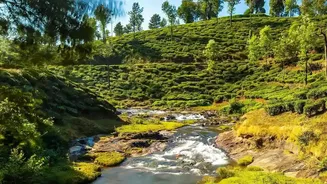
A detox in Araku is less about strict wellness regimens and more about active engagement with nature. The monsoon swells the region's many waterfalls, turning places like Katiki and Chaparai into powerful, thundering cascades that are a prime attraction. Trekking becomes a popular activity, with guided routes through rain-soaked meadows and dense trails offering solitude and stunning vistas. Beyond the landscape, the valley offers a rich cultural tapestry. Travellers can visit the Tribal Museum to understand the heritage of the local communities or explore the sprawling coffee plantations that the region is famous for. This focus on experience over simple sightseeing allows for a more profound connection to the place. Even the local cuisine, like the famous Bamboo Chicken cooked without oil inside a bamboo stalk, offers a taste of a simpler, more organic way of life.
The Rise of Slow Travel
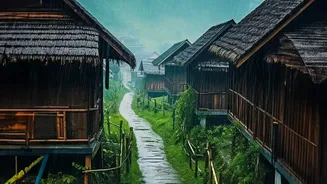
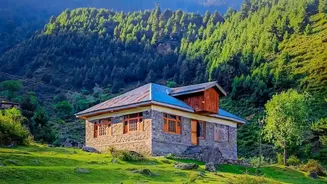
The growing preference for Araku during the monsoon reflects a broader shift in travel philosophy. Burned out from hectic schedules, many urbanites are rejecting checklist-driven tourism in favour of 'slow travel'—a more deliberate, immersive, and restorative approach. Araku in the rainy season is the perfect embodiment of this trend. It’s not about seeing everything, but about truly experiencing a place. Accommodation options are increasingly catering to this mindset, with eco-luxury farm stays and retreats offering tranquility, farm-to-table dining, and activities that connect guests with nature and local culture. It’s a conscious choice to trade crowded attractions for quiet moments, seeking personal well-being over a packed itinerary. During this off-peak season, accommodation can also be more affordable, making a longer, more relaxed stay accessible.