





A Festival of Immense Scale
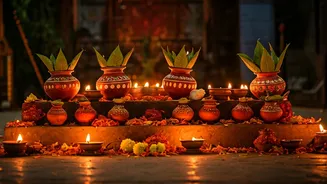
Bonalu, the state festival of Telangana, is a month-long celebration of faith and culture dedicated to Goddess Mahankali. Held during the Ashada masam, which in 2026 will span across July and August, the festival sees lakhs of devotees, especially women,
thronging major temples like the Ujjaini Mahankali Temple in Secunderabad and the Jagadamba Temple at Golconda Fort. They carry the traditional 'Bonam', an offering of cooked rice, milk, and jaggery. While beautiful, these massive gatherings present enormous logistical challenges, from ensuring devotee safety and preventing stampedes to managing traffic and providing basic amenities. For years, authorities have relied on traditional methods, but as the crowds grow, the need for a more intelligent approach has become critical.
So, What Does 'Crowd-Smart' Mean?
Think of it as moving from simple observation to predictive analysis. Instead of just watching crowds on CCTV, 'crowd-smart' planning uses technology to understand and anticipate their movement. This approach has been successfully tested at other massive Indian gatherings like the Kumbh Mela. The core idea involves using a network of high-definition and AI-enabled cameras, sometimes supported by drones, to feed live video into a central command centre. Sophisticated software then analyses this data in real-time to estimate crowd density, predict potential bottlenecks, and track the flow of people. When the number of people in a specific area reaches a critical threshold, the system can automatically alert officials, allowing them to intervene before a dangerous situation develops.
Telangana Police's Tech-Forward Approach
This isn't just a theoretical concept for Telangana. The state's police force has already proven its capability in this domain. During the Medaram Jatara in 2020, one of Asia's largest tribal fairs, they successfully deployed an AI-based system to manage an estimated 1.5 crore devotees. The system used AI-powered cameras to monitor crowd density and send alerts, preventing stampede-like situations. Following this success, officials expressed their intention to deploy similar technology for other large-scale festivals, specifically naming Bonalu. This history shows a clear strategic shift towards leveraging technology for public safety, moving beyond just passive surveillance.
The Plan for Bonalu 2026
For the 2026 Bonalu festival, the Telangana government has already sanctioned ₹20 crore for arrangements, with a high-level directive for all departments to prepare integrated crowd management and security plans. While official announcements highlight essentials like CCTV cameras, sanitation, and medical camps, the term 'integrated plan' is where the smart-crowd philosophy comes into play. This involves using the existing and expanding network of cameras not just for recording, but as data points for an intelligent system. The police can deploy their drone wing for an aerial overview and use analytics to ensure smooth pilgrim flow, especially with the anticipated increase in visitors due to the state's free bus travel scheme for women.
A Safer Darshan for Every Devotee
For the average person attending Bonalu, the impact of this technology will be felt in subtle but significant ways. It translates to a potentially smoother, safer, and more organised darshan. By predicting congestion, authorities can divert crowds to less crowded routes, reducing long waits in static queues. It allows for more efficient deployment of resources, ensuring that medical teams, water stations, and police personnel are exactly where they are needed most. This proactive approach helps prevent incidents before they occur, ensuring the focus remains on the spiritual and cultural experience of the festival rather than on navigating a chaotic environment.