






The New Digital Study Buddy
For today's college students, the pressure to excel is immense. Every assignment, every presentation, is a chance to stand out. In this high-stakes environment, a new category of digital assistant has emerged: AI presentation design tools. These are not
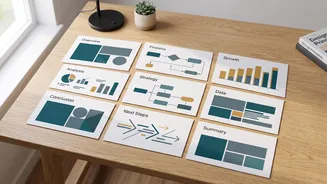
just glorified spellcheckers; they are sophisticated plugins and platforms that integrate with software like PowerPoint and Google Slides, or exist as standalone services. Tools like Microsoft's Copilot can generate an entire draft presentation from a simple text prompt or a Word document. Others use AI to suggest layouts, pick colour schemes, and even create custom graphics, automating the most time-consuming parts of presentation design. For students, this means less time wrestling with formatting and more time focusing on the actual content of their work.
More Than Just a Timesaver
While saving time is a major draw, the reasons students are flocking to these tools go deeper. Many students, brilliant in their respective fields, are not trained graphic designers. AI levels the playing field, helping them create visually compelling presentations that look professional and polished. This overcomes the dreaded 'blank page syndrome,' where starting is the hardest part. AI can generate an initial outline or structure, giving students a solid foundation to build upon. The real benefit, however, is cognitive. By offloading the mechanical tasks of slide design, students can dedicate more mental energy to higher-order thinking: refining their arguments, ensuring their data is clear, and strengthening their core message. It allows them to focus on demonstrating what they've learned, not their proficiency with design software.
The Competitive Edge in the Classroom
In a crowded classroom, a well-designed presentation can make all the difference. Professors are human; a clear, engaging, and visually appealing presentation is more likely to hold their attention and communicate ideas effectively. AI tools help students embed interactive elements like polls or quizzes, which can boost audience engagement during a live presentation. This pursuit of a competitive edge is a significant driver of adoption. When the difference between grades can be marginal, a polished presentation can signal a higher level of effort and professionalism, potentially leading to better academic outcomes. It's about ensuring their hard work on research and analysis is presented in the best possible light, helping their ideas resonate and stick.
Navigating the Ethical Grey Area
The rise of these powerful tools is not without controversy, and universities are paying close attention. The central question is no longer if students are using AI, but how. Most institutions draw a clear line: submitting unedited, AI-generated work as one's own is academic misconduct. In India, regulatory bodies like the AICTE have explicitly named unacknowledged AI content as plagiarism. Consequently, many Indian universities now use detection software like Turnitin or DrillBit and require students to declare their use of AI tools upon submission. The emerging consensus is that transparency is key. Using AI to brainstorm ideas, check grammar, or format slides is largely seen as acceptable, akin to using a calculator for math. But relying on it to generate the core substance of an assignment crosses the line. The responsibility falls on the student to verify all AI-generated information and ensure the final product is a true reflection of their own understanding.