



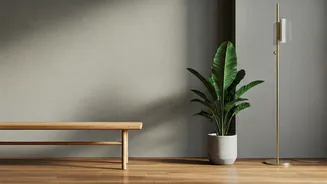


Why We're Craving Texture
After years of staring at sleek, smooth screens, our eyes and hands are hungry for something more tangible. Interior design is responding with a full-embrace of materials that invite touch. This isn’t just about aesthetics; it's about wellness. Creating
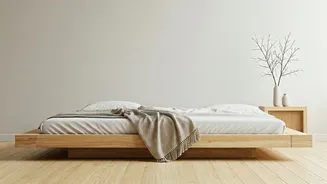
a home that feels like a sanctuary from the digital world is becoming a priority. Tactile surfaces—from rough-hewn woods to soft, nubby fabrics—ground us in our physical environment. They add depth, warmth, and a layer of personality that flat surfaces simply can't replicate. This trend connects deeply with the principles of biophilic design, which seeks to bring the natural world indoors. The imperfections and variations in natural textures remind us of the world outside our walls, reducing stress and fostering a sense of calm.
1. Bouclé and Sherpa: The Ultimate Comfort
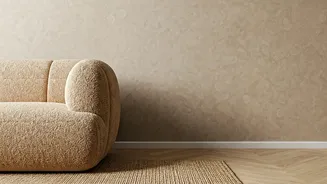
If there's one texture that defines this new era of cozy, it's bouclé. This looped, yarn-like fabric, once a staple of high-fashion, has firmly planted itself on our sofas, armchairs, and cushions. Its irresistibly soft, nubby surface begs to be touched. Similarly, sherpa, with its fleecy, sheepskin-like feel, offers an instant dose of warmth and comfort. These fabrics transform a simple piece of furniture into a statement of relaxation. How to use it: You don’t need to reupholster your entire living room. Start small with a bouclé throw pillow or an ottoman. A single statement armchair in a creamy white or earthy-toned sherpa can become the coziest reading nook in your home. These materials work beautifully as a soft counterpoint to harder surfaces like wood or metal.
2. Limewash and Plaster: Walls You Can Feel
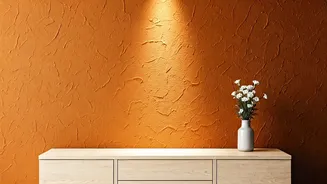
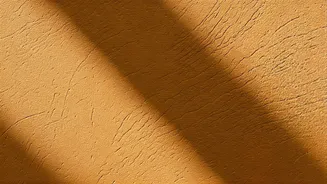
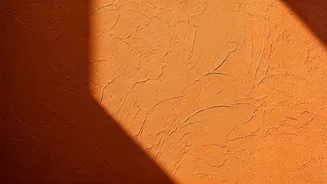
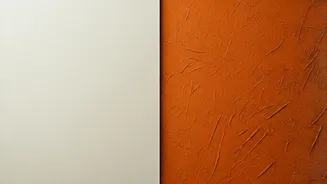
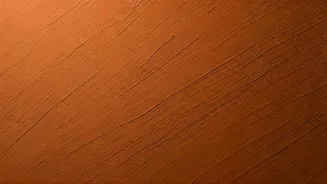
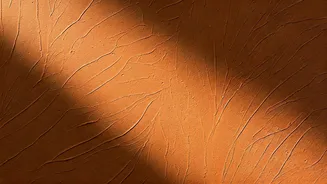
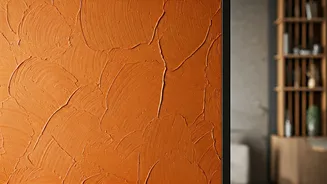
Forget flat, single-tone paint. The future of walls is all about depth and movement. Limewash and Venetian plaster are leading this charge. Unlike standard paint, limewash—a mix of crushed limestone and water—is painted on in layers, creating a soft, matte finish with subtle tonal variations. It gives walls a chalky, suede-like appearance that changes with the light. The result is a room that feels ancient and modern at the same time, with a calming, earthy presence. Tadelakt, a traditional Moroccan plaster, offers a similar but more polished, water-resistant finish, perfect for bathrooms and kitchens. How to use it: An accent wall in limewash can completely transform the feel of a bedroom or living room. Choose earthy tones like beige, terracotta, or a muted sage green to enhance the natural, organic feel. The subtle imperfections are part of the charm, lending a wabi-sabi aesthetic that celebrates authenticity.
3. Rattan, Cane, and Jute: The Natural Weave
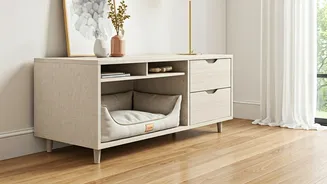
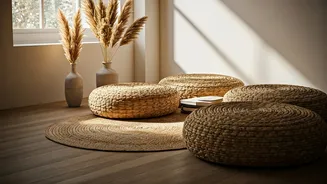
These materials are hardly new, especially in the Indian context, but they are being used in fresh, contemporary ways. Rattan furniture, cane-fronted cabinets, and woven light fixtures bring a light, airy, and organic feel to any space. They connect us to craft traditions and the outdoors. Jute, a humble and highly sustainable material, is the undisputed king of floor coverings in this trend. A large jute rug can ground a room, adding natural texture and warmth underfoot without overwhelming the space. How to use it: A jute rug is the easiest entry point. For a bolder look, consider a rattan headboard, a cane-detailed media console, or a large, sculptural pendant light made from woven natural fibres. These pieces add a layer of handcrafted beauty and are surprisingly versatile, fitting in with both minimalist and maximalist decor styles.
4. Fluted and Ribbed Details: Structured Texture
Texture isn't always soft and natural; it can also be structured and geometric. Fluted and ribbed surfaces are making a huge comeback on everything from glass doors and kitchen cabinets to furniture legs and decorative vases. This '3D' texture plays with light and shadow, creating a subtle, rhythmic pattern that adds visual interest without adding clutter. It's a sophisticated, architectural way to incorporate texture. Look for fluted wood panels on a TV console, ribbed glassware for your dining table, or a ceramic vase with a gently undulating surface. How to use it: This is a great way to add texture in a more modern or minimalist home. A fluted side table or a set of ribbed drinking glasses can introduce the trend in a sleek, controlled manner. It’s the perfect detail to elevate a simple design.