






The Triple Threat to Your Houseplants
Individually, wet leaves, compacted soil, and poor ventilation can stress a plant. Together, they form a deadly combination. This trifecta creates a stagnant, overly moist environment that is a breeding ground for a host of problems. Fungal diseases like
powdery mildew and root rot thrive in these conditions, and pests such as fungus gnats are drawn to the damp soil. Essentially, this combination suffocates the plant from its roots to its leaves, preventing it from accessing the oxygen, nutrients, and proper gas exchange it needs to survive.
The Problem with Persistently Wet Leaves
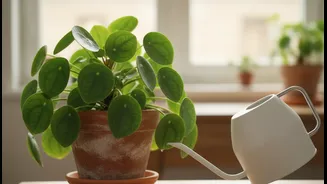
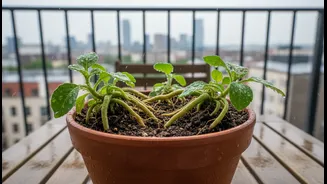
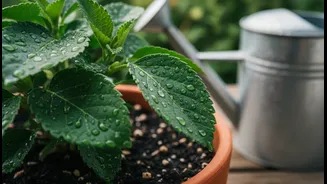
Water sitting on leaves for extended periods is an open invitation for fungal pathogens. Diseases like powdery mildew, which looks like a dusting of flour, and various leaf spot diseases germinate and spread on wet foliage. The moisture creates the ideal humid microclimate for spores to activate and infect the plant tissue. To avoid this, always aim to water the soil, not the plant itself. Use a watering can with a narrow spout to direct water to the base of the plant. If you do get the leaves wet, ensure the plant has enough light and air circulation to dry them quickly. Watering in the morning is often recommended so that the leaves have the entire day to dry out.
Decoding the Danger of Packed Pots
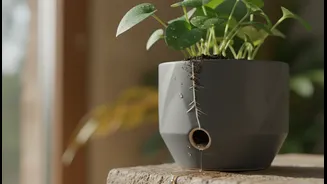
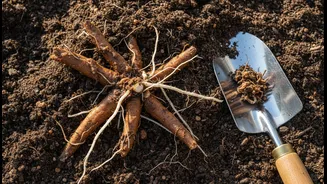
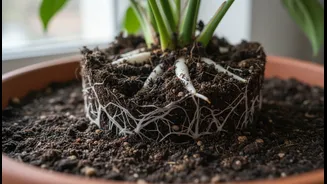
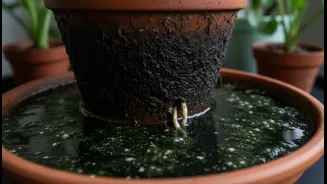
Compacted soil is a silent killer that works below the surface. Over time, potting mix can become dense, reducing air pockets and slowing drainage. This leads to waterlogged soil, which deprives roots of the oxygen they need to function. Without oxygen, roots become weak and vulnerable to rot-causing pathogens that live in the soil. The most severe consequence is root rot, a condition where roots turn brown, mushy, and can develop a foul smell. To prevent this, ensure your pots have drainage holes. When potting, use a fresh, well-draining mix appropriate for your plant, often amended with perlite or orchid bark to improve aeration. If you suspect compaction, you can gently aerate the soil with a chopstick, being careful not to damage the roots.
Why Your Plants Need to Breathe
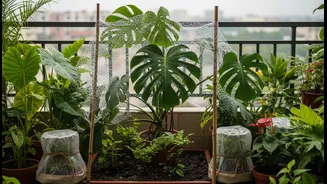
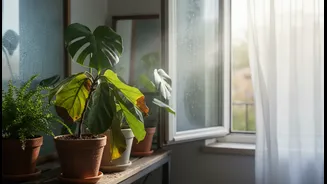
Good air circulation is crucial for healthy houseplants, yet it's often the most overlooked aspect of their care. Stagnant air traps humidity around the plant, prolonging leaf wetness and encouraging fungal growth. It also creates a welcoming environment for pests like fungus gnats and spider mites, which thrive in calm, damp conditions. Proper airflow helps regulate temperature, aids in photosynthesis by replenishing carbon dioxide around the leaves, and strengthens stems. Improving ventilation can be as simple as spacing your plants out to avoid crowding them. You can also open a window to create a gentle breeze or use a small, oscillating fan on a low setting for a few hours a day. This mimics the natural environment and helps keep the foliage dry and resilient.
An Ounce of Prevention
The key to avoiding this risky combination is a proactive and observant care routine. Before you water, check the soil moisture by inserting your finger an inch or two deep; if it's still damp, wait another day. When you do water, do so thoroughly until it runs out the drainage hole, then discard the excess water from the saucer. Always choose pots with adequate drainage. Every few weeks, check to see if the soil has become compacted and gently aerate it. Finally, ensure your plants aren't crowded together and have access to some air movement. A healthy plant in a healthy environment is naturally more resistant to diseases and pests.