




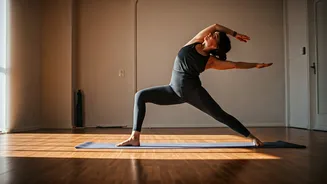




The Power Couple of Fitness
Combining yoga and gym workouts creates a powerful synergy. While strength training builds muscle and power, yoga focuses on lengthening muscles, improving joint mobility, and enhancing body awareness. This combination leads to a well-rounded fitness
routine. Think of it this way: the gym provides the raw strength, while yoga provides the control, flexibility, and stability to use that strength effectively and safely. This holistic approach can improve your performance in the gym, reduce your risk of injury, and accelerate recovery. Lifting improves your ability to hold challenging yoga poses, and yoga gives you the range of motion to perform lifts with better form.
Yoga Before or After the Gym?
The ideal timing for your yoga session depends on your goals for the day. A short, dynamic yoga session before a workout can serve as an excellent warm-up. Focusing on active mobility and flowing movements like Sun Salutations can awaken muscles, lubricate joints, and improve your range of motion for the lifting session ahead. On the other hand, practicing yoga after your gym workout is ideal for recovery. A post-workout session with longer, static stretches helps to cool the body down, release muscle tightness from lifting, and may reduce delayed onset muscle soreness (DOMS). It allows your muscles, which are already warm and pliable, to lengthen and relax, promoting better recovery.
Structuring Your Week
How you schedule your week depends on your fitness level and available time. One popular method is to alternate days. For example, if you work out six days a week, you could have three strength training days and three yoga days, with one day of complete rest. This allows for focused effort in each discipline. Another option is to combine them on the same day. If you choose this path, it's best to separate the sessions to allow for recovery, such as a gym workout in the morning and a relaxing yoga session in the evening before bed. This can be particularly beneficial for sleep and recovery. A lighter yoga or mobility flow can also be done on active recovery days.
Sample Weekly Schedule
For someone aiming for a balanced routine, a week could look like this: Monday: Upper Body Strength Training Tuesday: Full Yoga Session (e.g., Vinyasa Flow) Wednesday: Lower Body Strength Training Thursday: Active Recovery (Light yoga, stretching, or a walk) Friday: Full Body Strength Training Saturday: Restorative or Yin Yoga * Sunday: Complete Rest This schedule ensures you're building strength while also dedicating time to flexibility, mobility, and crucial recovery. Remember to listen to your body and adjust the intensity and frequency based on how you feel.
Choosing the Right Yoga Style
Not all yoga is the same. For a pre-workout warm-up, dynamic styles like Vinyasa or a series of Sun Salutations are effective. These get the blood flowing and prepare the body for intense movement. For post-workout recovery, slower styles are better. Yin Yoga, which involves holding poses for several minutes, and Restorative Yoga are excellent for releasing deep-seated tension in muscles and connective tissue. Poses like Downward-Facing Dog, Pigeon Pose, and Cobra are particularly beneficial for lifters, as they target common areas of tightness like the hamstrings, hips, and spine.