







The Core of the Matter: Amino Acids
To understand protein, you need to understand amino acids, the building blocks your body uses for everything from muscle repair to immune function. Whey protein, derived from milk, is considered a complete protein because it naturally contains all nine
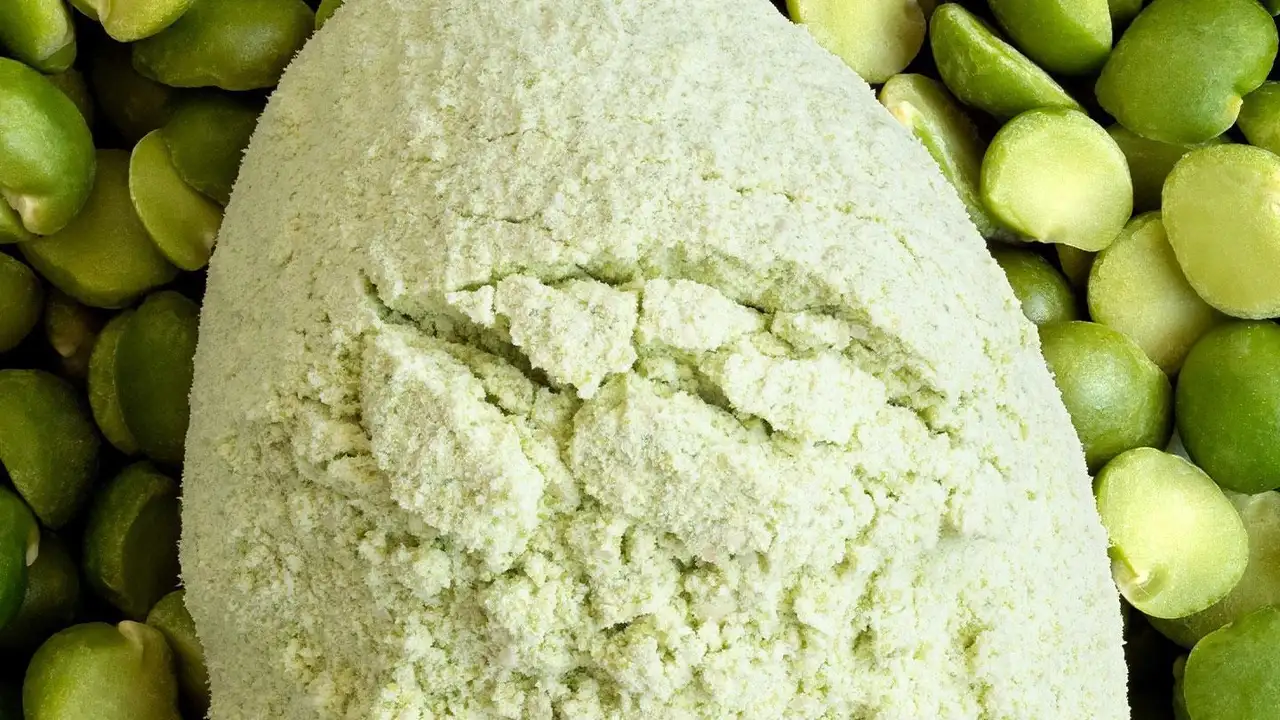
essential amino acids in optimal ratios. It’s particularly rich in leucine, a branched-chain amino acid (BCAA) that acts like a key, starting the engine for muscle protein synthesis and recovery. Single-source plant proteins, like those from rice or hemp, are often 'incomplete', meaning they lack sufficient amounts of one or more essential amino acids. Soy is a notable exception, offering a complete profile similar to whey. However, modern plant-based powders solve this issue by blending complementary sources, such as pea and rice protein. This combination ensures the final product delivers a complete and powerful amino acid profile that can rival whey.
Digestibility: The Feel Factor
How your body processes protein is just as important as what's in it. Whey protein is known for its rapid absorption, delivering amino acids to your muscles quickly, which is why it's a long-time favourite for post-workout recovery. But it has a significant catch: lactose. Since a large percentage of the global population has some degree of lactose intolerance, whey can cause bloating, gas, and stomach discomfort for many users. While whey isolate is filtered to remove most lactose, it can still be an issue for sensitive individuals. Plant-based proteins are naturally lactose-free, making them a gentler option for those with dairy sensitivities. However, they aren't automatically perfect. Some can contain compounds like lectins or high fibre content that may cause digestive issues for some people. High-quality plant proteins are processed to reduce these factors, and many now include digestive enzymes to enhance absorption and ensure they are easy on the stomach.
Recovery and Muscle Growth: The Performance Test
For years, whey was seen as the undisputed champion for muscle growth due to its high leucine content and quick absorption. The science was simple: more leucine meant a stronger signal for muscle repair. However, recent research is showing a more nuanced picture. Studies have found that as long as the total protein intake is adequate and the amino acid profile is complete, plant-based proteins can be just as effective as whey for muscle growth, strength gains, and recovery. One study highlighted that when a plant protein blend was fortified with enough leucine to match its whey counterpart, it stimulated muscle protein synthesis to the same degree. The key takeaway is that while whey might have a slight natural edge in leucine content, a well-formulated plant protein blend can produce comparable results. The deciding factor often comes down to consuming a sufficient serving (20-30 grams) to hit the necessary leucine threshold for muscle building.
The Final Verdict: Which is Right for You?
Choosing between plant-based protein and whey isn't about finding a universal winner, but about finding the right fit for your individual needs. If you have no issues with dairy and your top priority is the fastest possible absorption post-workout, whey protein remains an excellent and scientifically-backed choice. However, if you experience bloating from dairy, follow a vegan lifestyle, or are looking for a protein source that often comes with additional benefits like fibre, a plant-based powder is a powerful and equally effective alternative. Modern plant protein blends have effectively closed the nutritional gap with whey, offering complete amino acid profiles and excellent digestibility. Pay attention to the ingredient list, ensure it's a blend of sources or a complete protein like soy, and aim for a serving that provides at least 20 grams of protein to support your recovery goals.