






The Tale of Two Extraction Methods
The core difference between cold-pressed and refined oils lies in how they are made. Cold-pressed oils, also known as 'kachi ghani' or 'chekku' oils, are extracted through a simple mechanical pressing process without the use of high heat or chemical solvents.
Seeds or nuts are crushed, and the oil is forced out under pressure. This gentle method, often done at temperatures below 49°C, helps the oil retain its natural flavour, aroma, colour, and, most importantly, its nutrients like antioxidants and vitamins. Refined oils, on the other hand, are built for industrial efficiency. The process often involves high heat, chemical solvents like hexane, bleaching with activated clay, and deodorising to create a neutral-tasting, stable product with a long shelf life. While this method produces a higher yield and a more consistent product, it strips the oil of many of its natural nutrients and flavours.
Why Smoke Point is Critical for High Heat
The single most important factor when choosing an oil for high-heat cooking—like deep-frying samosas or making a tadka—is its smoke point. This is the temperature at which an oil starts to break down and produce visible smoke. When an oil passes its smoke point, it’s not just a kitchen nuisance; the fats begin to degrade, creating harmful compounds called free radicals and imparting a burnt, bitter taste to your food. Using an oil beyond its smoke point can ruin your meal and negate any health benefits. Therefore, the goal is to match the oil to the cooking method. High-temperature techniques require an oil with a high smoke point to remain stable and safe.
Cold-Pressed Oils: Nutrient-Rich but Delicate
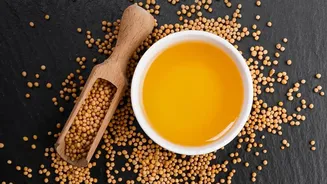
Cold-pressed oils are celebrated for their superior nutritional profile, retaining antioxidants and vitamins that are lost during refining. However, they generally have lower smoke points. For example, cold-pressed coconut oil has a smoke point of around 177°C, and cold-pressed groundnut oil is around 160°C. This makes them unsuitable for prolonged deep-frying but excellent for drizzling on salads, preparing dressings, or for light sautéing at low to medium temperatures. Their distinct, natural flavours can also enhance a dish in a way that neutral refined oils cannot. Some cold-pressed oils, like mustard oil, are an exception and have a surprisingly high smoke point (around 250°C), making them versatile for various Indian cooking methods.
Refined Oils: The Workhorse for High Temperatures
Refined oils are specifically processed to have high smoke points, making them the ideal choice for high-heat cooking. The refining process removes impurities and free fatty acids that would otherwise cause the oil to smoke at lower temperatures. Refined sunflower oil, rice bran oil, and peanut oil all have smoke points around 230°C or higher. This stability makes them perfect for deep-frying, searing, and stir-frying without the risk of breaking down. Their neutral flavour and aroma also mean they won't interfere with the taste of your spices and other ingredients, allowing the dish's intended flavours to shine through. While they lack the nutritional punch of their cold-pressed counterparts, their performance under heat is unmatched for certain culinary tasks.
Making the Smart Choice for Your Kitchen
So, which oil should you use? The answer is: it depends on what you're cooking. It's not about one type being universally 'good' and the other 'bad.' A well-equipped Indian kitchen can benefit from having both. Use cold-pressed oils for their flavour and nutrients in dishes where heat is low to moderate. Think tadkas, light vegetable stir-fries, and salad dressings. For high-heat applications like frying puris, pakoras, or French fries, a refined oil is the safer and more effective choice due to its high smoke point. For example, use cold-pressed groundnut oil for a flavourful dal tadka but switch to refined groundnut oil for deep-frying. This balanced approach allows you to get the best of both worlds—nutrients and flavour from cold-pressed oils and stability and safety from refined oils.