

North India’s Nutty Delight: Panjiri
In Punjab, Uttar Pradesh, and other parts of North India, Janmashtami bhog is often incomplete without Panjiri. There are two main versions: one made with whole wheat flour (atta) and another, often for fasting, made with coriander seed powder (dhaniya).
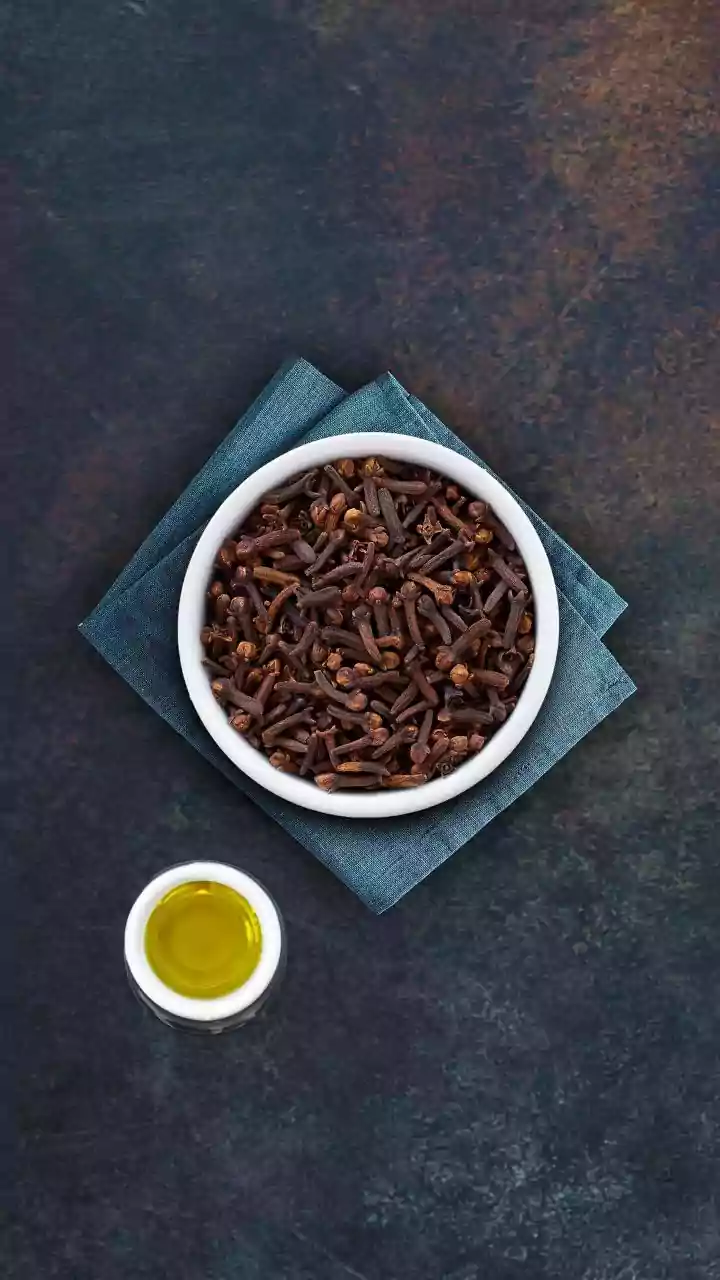
Both are richly aromatic, roasted in ghee and loaded with dried fruits, nuts, and makhana (fox nuts). The Dhaniya Panjiri is particularly special, offering a unique spicy-sweet flavour that sets it apart from other sweets. This wholesome preparation is not just an offering but also an energy-giving food consumed after a day of fasting.
South India’s Crunchy Tribute: Seedai and Murukku
Travel down to Tamil Nadu, and the festive soundscape includes the crackle of Seedai being fried. These small, crispy balls are a cornerstone of Krishna Jayanthi celebrations. They come in two primary forms: Uppu (salt) Seedai, a savoury version made from rice flour and urad dal flour, and Vella (jaggery) Seedai, a sweet counterpart. Preparing Seedai is considered an art, as getting the dough consistency right is crucial to prevent the balls from bursting in the hot oil. Alongside Seedai, various forms of Murukku, another crunchy, fried snack, are also prepared as a loving tribute to Krishna.
Maharashtra’s Community Dish: Gopalkala
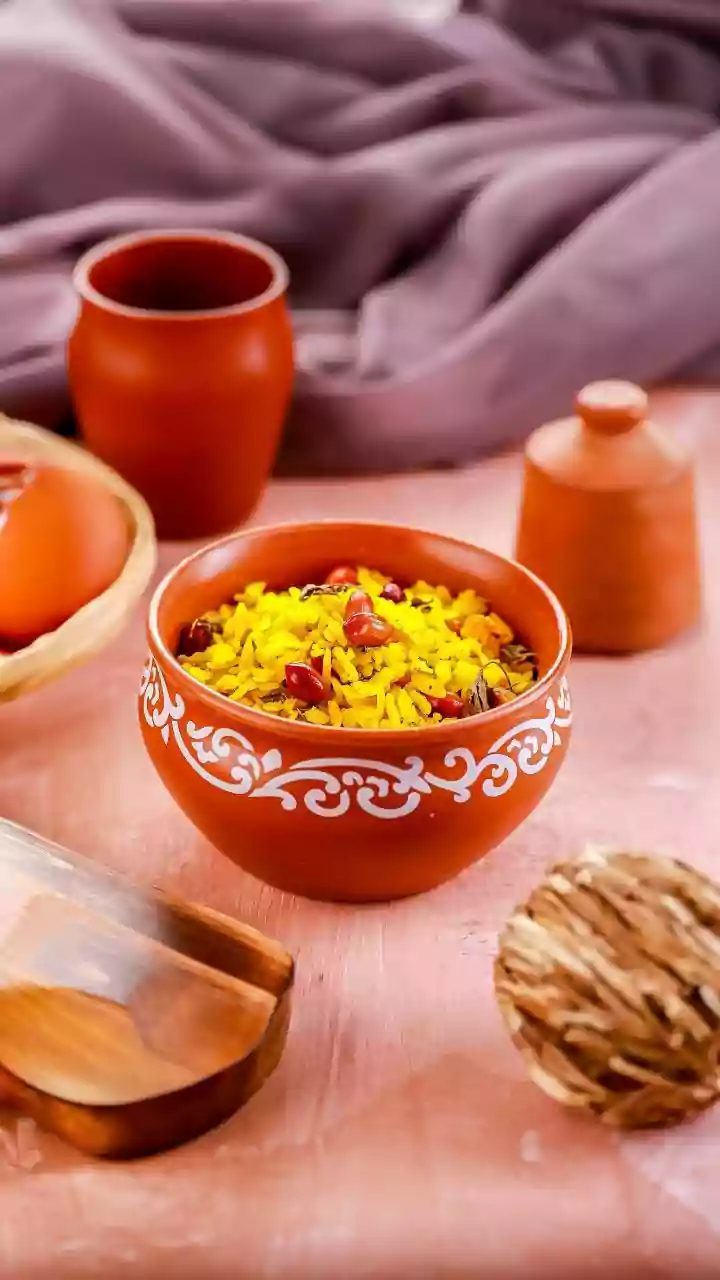
In Maharashtra, the festival's playful spirit is captured in the Dahi Handi tradition, and its culinary equivalent is Gopalkala. This dish is a simple, no-cook mixture of flattened rice (poha), curd, cucumber, coconut, and simple spices. It’s a symbolic recreation of the meal Krishna shared with his cowherd friends (gopalas) in the fields. The ingredients are mixed together, representing unity and the joy of sharing. This savoury, refreshing prasad is often what is used to break the fast and is also the delicious prize that spills out when the Dahi Handi is broken.
Bengal’s Seasonal Sweet: Taler Bora
In West Bengal and Odisha, Janmashtami coincides with the season of the sugar palm fruit (taal). This has given rise to a beloved festive delicacy: Taler Bora. These are sweet, deep-fried fritters made from the ripe pulp of the sugar palm, mixed with rice flour, semolina, coconut, and jaggery or sugar. The resulting snack is wonderfully fragrant, with a crisp exterior and a soft, fluffy inside. Bengali folklore even contains rhymes about Krishna's foster father, Nanda, dancing with joy after eating these delicious fritters, cementing their place in the region's Janmashtami celebrations.
The Heart of Braj: Mathura Ke Pede
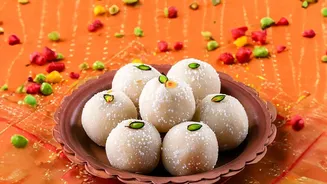
No culinary tour of Janmashtami would be complete without visiting Krishna's birthplace, Mathura. Here, the undisputed king of sweets is the Mathura Peda. Made by slow-roasting khoya (reduced milk solids) with sugar until it develops a beautiful caramelised colour and nutty flavour, these pedas are an essential offering. They are a tangible piece of the sacred geography of Braj, offered in temples and homes and carried back by pilgrims as a blessed prasad. The rich, milky sweetness is a direct homage to the dairy-centric world of Krishna's childhood.
A Universal Offering: Makhan Mishri
Across all regions, the one offering that universally signifies Janmashtami is Makhan Mishri—freshly churned white butter mixed with sugar crystals. This simple, uncooked preparation is a direct callback to Krishna’s legendary love for butter as a child, earning him the name 'Makhan Chor' (butter thief). It represents the purest, most uncomplicated form of devotion. It is often the very first offering made to the deity at midnight, a sweet and personal welcome to the beloved lord.