






The Instagram vs. Reality Trap
The travel photos that fill our feeds are curated moments. They capture the one perfect, sunny afternoon in a week of otherwise drizzly weather, or the serene summit view that conveniently omits the fierce, bone-chilling wind. When we pack for the photo,
we are packing for an illusion. This often leads to overpacking the wrong things—like five sundresses for a trip that's mostly overcast—and underpacking the essentials. The result can be more than just mild disappointment; it can mean being uncomfortably cold, soaked by an unexpected downpour, or having to spend precious vacation money on an overpriced emergency sweater. The key is to shift your mindset from packing for a single, idealized image to packing for the range of actual experiences you'll have.
Research Beyond the Basic Forecast
A ten-day weather forecast is a good start, but it's not the full story. For a more accurate picture, you need to dig deeper. Start by looking at historical weather data for your destination during the specific time of year you're visiting. Websites that provide monthly averages for temperature, rainfall, and even wind speed can offer a more realistic baseline. Next, search for real-time information. Many popular tourist spots have live webcams. Travel forums and blogs are also invaluable resources; look for posts from people who visited during the same season to learn about their experiences with the weather and what they wished they had packed. For road trips, apps like Drive Weather can even show you the forecast along your specific route at the time you're projected to be there.
Build a Wardrobe Around Your Itinerary
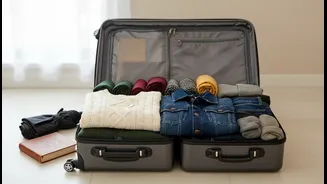
Instead of thinking about the destination as a whole, break your trip down by activity. A trip to a single city might involve a strenuous morning hike, a casual afternoon exploring museums, and a formal evening dinner. Each of these requires a different type of attire. Most packing mistakes stem from packing single-use items that only work for one specific outfit or scenario. A smarter approach is to build a capsule wardrobe with versatile pieces in neutral, complementary colours that you can mix and match. Before packing an item, ask yourself if it can be worn in at least two or three different ways. A lightweight merino wool shirt, for example, can be a base layer for a cold day, a standalone top for a mild afternoon, and is naturally odour-resistant, meaning you can wear it multiple times.
Embrace the Power of Layering
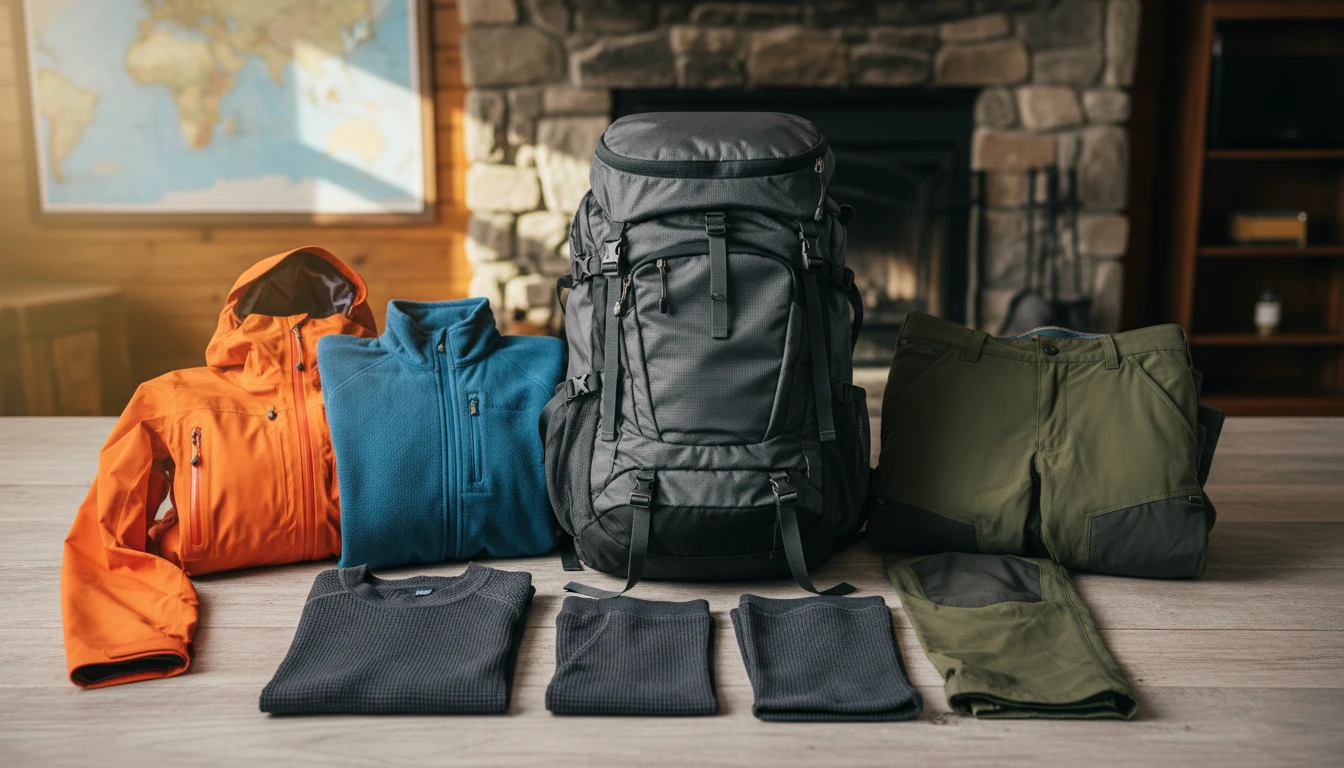
Layering is the ultimate strategy for adapting to unpredictable conditions. Rather than packing a single, heavy coat that will leave you sweating the moment the sun appears, think in terms of a three-part system. Start with a thin, moisture-wicking base layer that sits against your skin to trap heat. Your middle layer provides warmth; this could be a fleece, a down vest, or a cashmere sweater. Finally, an outer layer, like a lightweight waterproof jacket, protects you from wind and rain. This system allows you to add or remove pieces as the temperature and conditions change throughout the day, ensuring you're always comfortable without the bulk of a single-purpose parka.
Footwear: The Foundation of a Good Trip
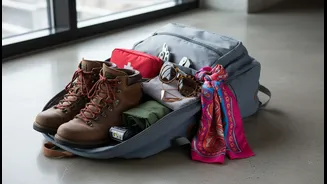
No item is more critical to your comfort than your shoes, and it's where many travelers make their biggest mistake. Those stylish-but-stiff boots that looked great online can quickly lead to blisters and ruin a day of sightseeing. The “three-shoe rule” is a reliable guideline: pack one comfortable pair for all-day walking, one nicer option for evenings, and a third pair specific to your main activity, like sandals for the beach or hiking boots for trails. Prioritize comfort and support above all else, and make sure to break in any new shoes well before you leave. Remember, you can buy a forgotten t-shirt almost anywhere, but finding comfortable, well-fitting shoes in the middle of a trip is a much harder and more stressful task.