


Why Shade Can Be Your Friend
While many classic Mediterranean herbs like rosemary and basil crave six to eight hours of direct sun, a host of other culinary favourites find the intense heat stressful. Partial shade, which means about three to six hours of direct sun, or dappled light
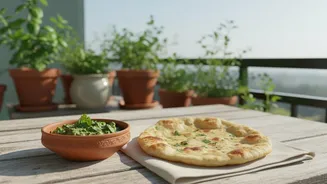
throughout the day, is the ideal environment for many softer, leafy herbs. In fact, for some plants, protection from the harsh afternoon sun can prevent their leaves from scorching and stop them from 'bolting'—flowering and turning bitter too early in the season. Balconies often provide exactly this kind of environment, with morning sun and afternoon shade, making them surprisingly perfect for certain herbs. The key is choosing the right plants that will flourish with the light you have.
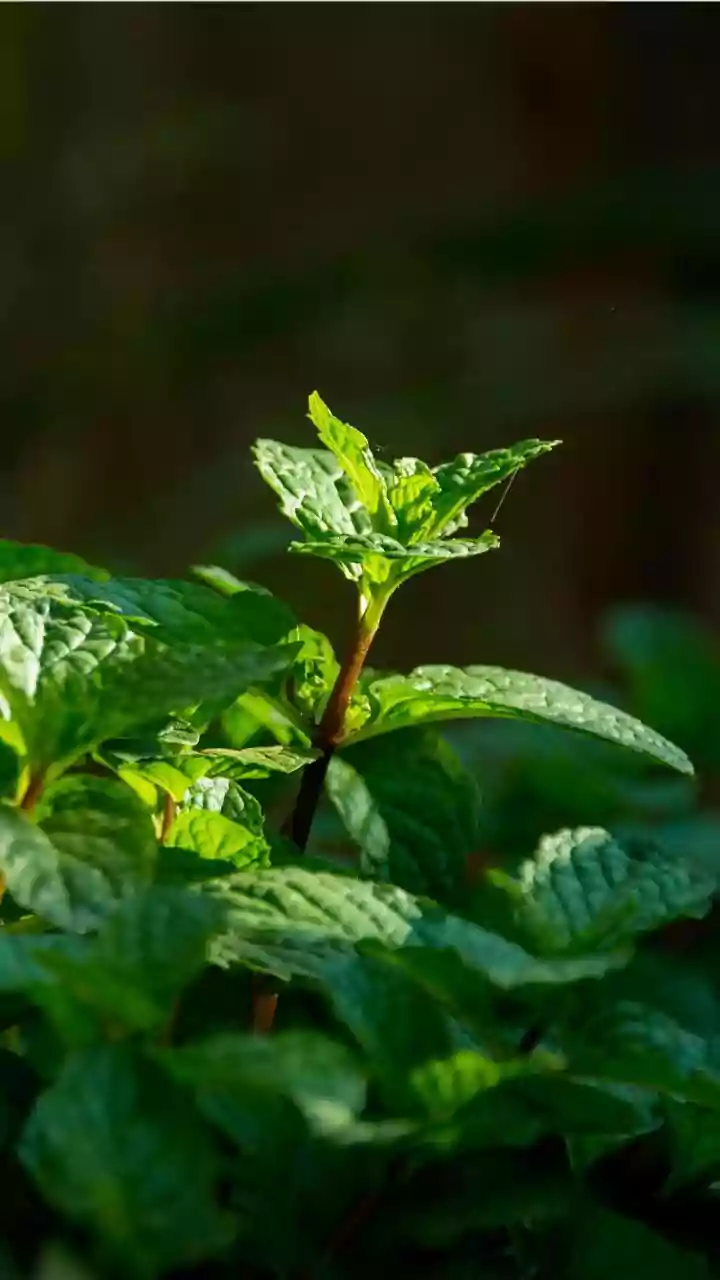
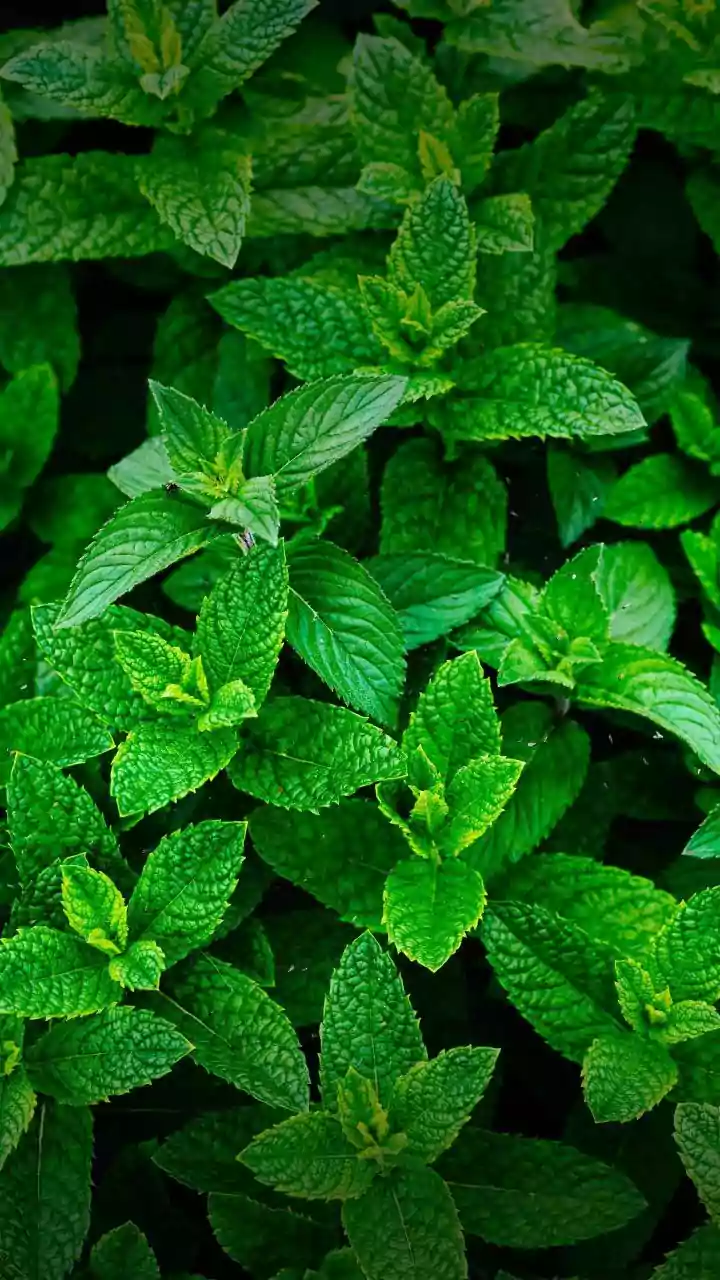
Mint: The Easiest Shade-Lover
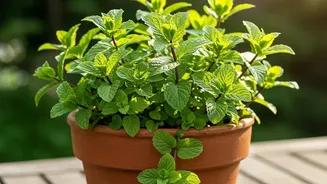
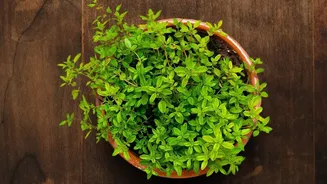
If you're new to gardening, mint is a great place to start. It's famously vigorous and one of the best choices for a shady spot. While it can tolerate full sun, it thrives in partial shade with moist soil. There are countless varieties, from spearmint and peppermint to more unusual types like chocolate or apple mint. Its aggressive growth habit makes it a perfect candidate for containers, which will prevent its runners from taking over your entire balcony. Plant it in a pot at least 10 inches wide with good drainage, keep the soil consistently moist, and you'll have a steady supply for teas, cocktails, and salads.
Parsley: The Versatile Kitchen Staple
Both flat-leaf (Italian) and curly parsley varieties do exceptionally well in partial sun. In very hot climates, they actually prefer some shade to prevent wilting. Parsley needs rich, moist, and well-draining soil. Since it develops a long taproot, choose a deeper pot—at least 8 to 10 inches deep—to give it room to grow. Water it regularly, especially during warm spells, ensuring the top inch of soil is dry before watering again. Regular harvesting will encourage the plant to become bushier and more productive, giving you a constant source of this fresh, grassy flavour for garnishes, sauces, and stews.
Chives: The Subtle Onion Kick
Chives are surprisingly adaptable and can thrive with as little as four to six hours of daily sunlight. While they perform best in full sun, they are quite tolerant of light shade. Their mild onion flavour is perfect for sprinkling over eggs, potatoes, and salads. Chives grow well in pots at least 6-8 inches in diameter. They appreciate well-drained soil and consistent watering. One of the best parts about growing chives is that the more you snip them, the more they grow. Regular harvesting prevents the leaves from becoming tough and encourages a continuous supply.
Cilantro: The Herb That Hates Heat
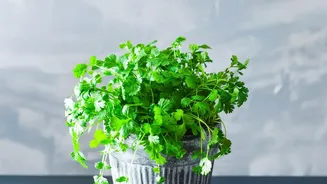
Cilantro is a cool-season herb notorious for bolting as soon as the weather gets hot. This makes it an excellent candidate for a partially shaded balcony, especially one that offers protection from the intense afternoon sun. Morning sun followed by afternoon shade is the perfect recipe for a longer cilantro harvest. It grows a taproot, so a container that is at least 8-10 inches deep is recommended. Keep the soil consistently moist, as dry conditions can also trigger bolting. For a continuous supply through the season, plant a new batch of seeds every few weeks. Once it does bolt, you can let it flower to attract pollinators or harvest the seeds, which are known as coriander.
Lemon Balm: A Zesty Aroma
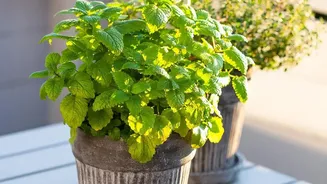
A member of the mint family, lemon balm shares its relative's tolerance for partial shade. This easy-to-grow herb has a wonderful, citrusy scent and makes a delightful tea. It can grow well with just a few hours of sun per day. Like mint, it can spread enthusiastically, so planting it in its own container is a wise move to keep it contained on a balcony. It prefers moist, well-drained soil. Simply rubbing its leaves will release a burst of lemon fragrance, making it a lovely sensory addition to your balcony space.