

The Old Divide: When Eco-Friendly Meant Unfashionable
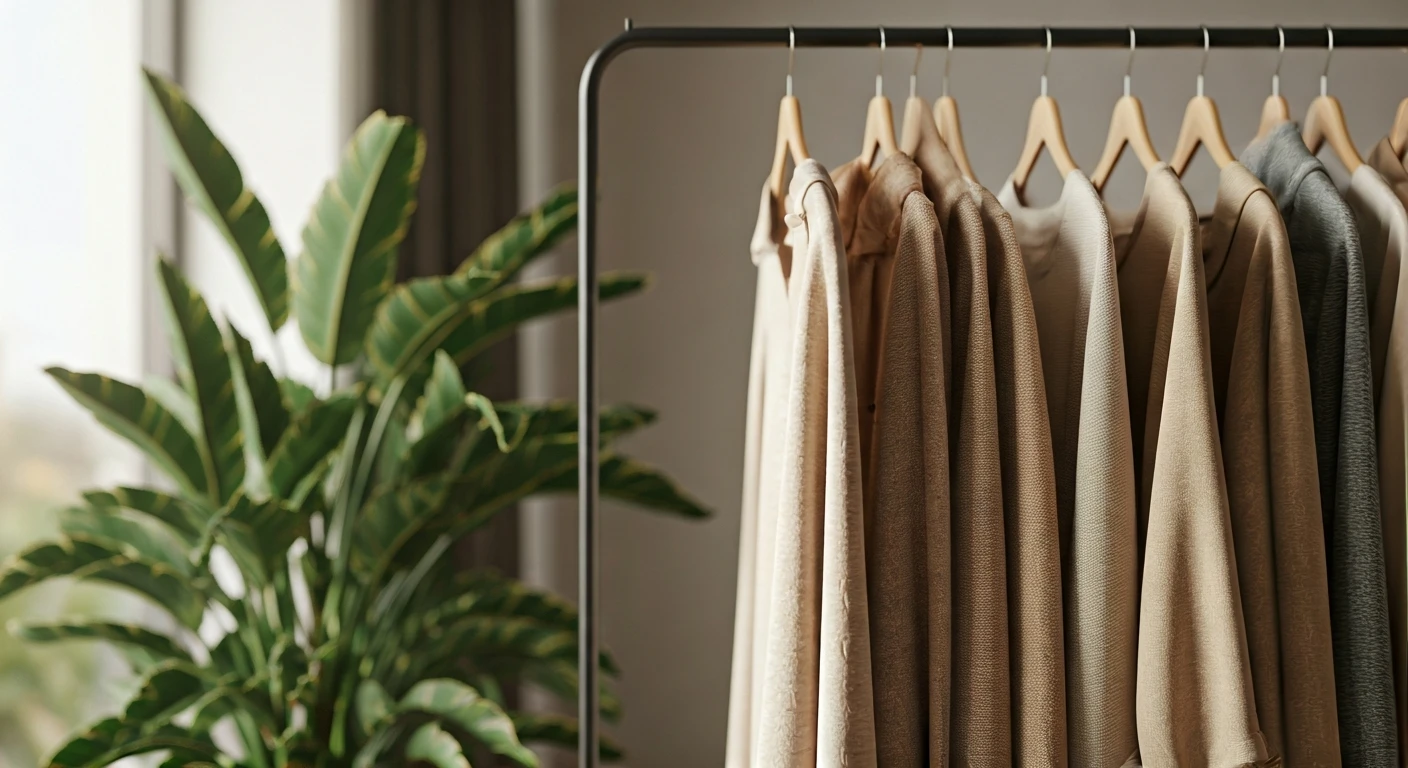
Not long ago, the term “sustainable fashion” conjured images of shapeless garments in bland, earthy tones. It was a niche market, often associated with a compromise on aesthetics. The mainstream fashion industry, driven by the rapid, trend-focused “take-make-dispose”
model of fast fashion, seemed to exist in a separate universe. [16] This system, which saw clothing production double in just 15 years while the number of times an item was worn decreased by 36%, prioritised speed and novelty over longevity and environmental responsibility. [14] For the average shopper, this created a clear, if often unstated, choice: participate in the latest trends or opt for ethical clothing that lacked mainstream appeal. The idea that a garment could be both chic and consciously made felt like a distant ideal.
What Changed? A Conscious Consumer Awakening
The shift began with a change in mindset. A growing awareness of the fashion industry's environmental impact—from its massive water consumption to its contribution to greenhouse gas emissions and landfill waste—has spurred a new wave of conscious consumerism. [2, 14] In India, this change is particularly pronounced among urban millennials and Gen Z, who increasingly demand transparency and ethical production from the brands they support. [5, 12] This isn't just a fleeting trend; it's a fundamental movement. Data shows that a significant majority of Indian consumers now consider sustainability when making fashion purchases. [5] The conversation has shifted from simply buying clothes to investing in pieces that align with personal values, supporting local artisans, and rejecting the wastefulness of fast fashion. [2, 6]
Fabric Innovation: The New Building Blocks of Style
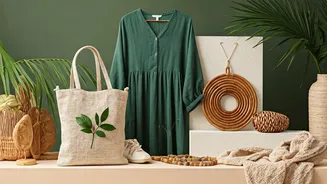
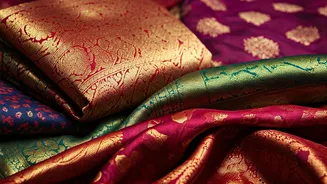
A key driver of this merger is the rapid innovation in sustainable materials that no longer sacrifice style. Designers now have a rich palette of eco-friendly textiles to work with. [3] India, with its rich textile heritage, is at the forefront, reviving traditional materials like handloom Khadi, linen, and hand-woven cotton for modern designs. [2, 17, 23] Beyond tradition, new-age materials are making a mark. Think of fabrics derived from banana plants, Pinatex from pineapple leaves, and even leather alternatives made from cactus or apple skins. [4, 20] Many brands are also embracing ECONYL®, a yarn spun from regenerated nylon from fishing nets and other waste. [4] These materials are not just 'green' alternatives; they offer unique textures, durability, and a compelling story that resonates with modern consumers.
The Rise of the Circular Wardrobe
One of the most significant trends is the move toward a circular fashion economy, which aims to eliminate waste by design. [3, 10, 15] This concept is becoming mainstream in India, encouraging a shift from a linear “buy, wear, discard” model to one where garments are made to be repaired, resold, or recycled. [10, 15] This has given rise to a booming culture of thrifting, resale platforms, and clothing rental services, especially for occasion wear. [10, 15] Wearing pre-loved fashion is no longer a secret but a point of pride, celebrated on social media. [10] Brands are also getting involved through take-back programs, offering credit for old garments that can be refurbished or broken down into fibres for new collections, extending the life of clothing and reducing the strain on our planet's resources. [8, 10]
Indian Brands Leading the Charge
Across India, a new generation of designers and brands is proving that ethics and elegance can coexist beautifully. Labels like Grassroot by Anita Dongre are empowering rural female artisans, blending ancient craft with contemporary fashion. [14, 22] Brands like No Nasties are creating carbon-neutral clothing, while others like The Summer House and Nicobar focus on timeless designs made from handwoven and organic materials. [4, 22] Many are reviving heritage techniques, from the block-printing of Ajrakh to the fine weaves of Jamdani, creating unique pieces that stand in stark contrast to mass-produced fashion. [23] Others are innovating with waste; Bunko Junko, for example, upcycles textile scraps into new apparel and accessories, proving that waste is a resource waiting to be transformed. [18, 24]