




The Pollutants Hiding in the Haze
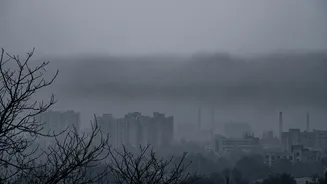
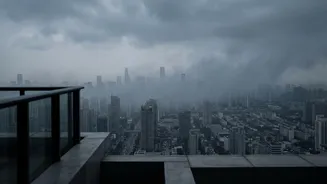
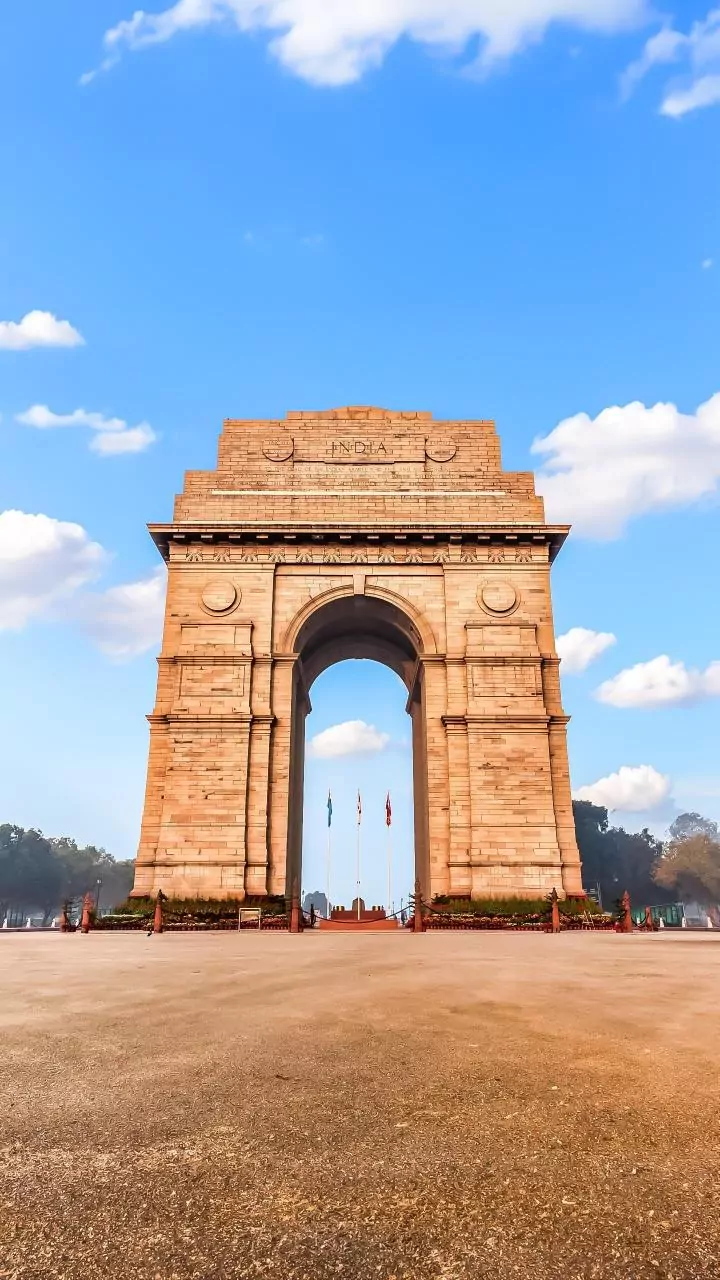
The smog that settles over the city is a complex cocktail of harmful pollutants. It primarily consists of fine particulate matter (PM2.5 and PM10), which are tiny dust and soot particles, along with gases like nitrogen dioxide (NO2), sulfur dioxide (SO2),
and ground-level ozone. These pollutants originate from vehicle emissions, industrial discharge, construction dust, and seasonal crop burning. Because your eyes are directly exposed to the air, they are among the first organs to react to these invisible irritants, with no natural filter to protect them.
How Polluted Air Harms Your Eyes
The primary way pollution affects your eyes is by disrupting the tear film. This is a thin, liquid layer that covers the surface of your eye, keeping it moist, clear, and protected. Pollutants destabilise this film, causing it to evaporate more quickly. This leads to dryness, inflammation, and a gritty feeling, as if there's sand in your eye. The constant irritation can make your eyes red and sore as they struggle to fend off the airborne assault. This condition, known as dry eye syndrome, is one of the most common complaints during periods of high pollution.
Warning Signs to Watch For
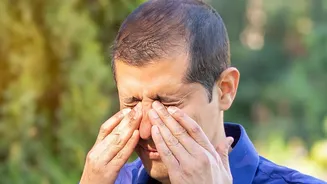
Your body will often send clear signals that the air quality is affecting your eyes. Be mindful of persistent symptoms such as redness, itching, and a burning sensation. Other common signs include excessive watering as your eyes try to flush out the irritants, a gritty feeling, and increased sensitivity to light. In some cases, you might also experience moments of blurred vision or a general feeling of eye fatigue. These symptoms are particularly common among contact lens wearers, children, and the elderly.
Immediate Steps for Relief
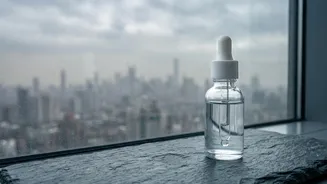
If you feel your eyes becoming irritated, there are simple actions you can take for quick relief. First, avoid rubbing your eyes, as this can worsen irritation and potentially introduce more pollutants. Instead, wash your face and eyelids with clean, cool water to remove any settled particles. Using preservative-free lubricating eye drops, also known as artificial tears, can effectively rehydrate the eye's surface, supplement your natural tears, and help flush out contaminants. These drops are readily available and can provide significant comfort.
Proactive Protection Against Pollution
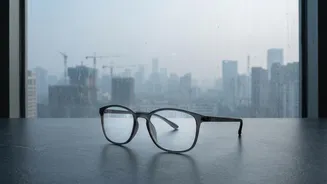
The best strategy is to minimise your eyes' exposure to polluted air. When you go outside on days with a high Air Quality Index (AQI), wear wraparound sunglasses to create a physical barrier against dust and pollutants. If you wear contact lenses, consider switching to glasses on high-pollution days, as contacts can trap irritants against your eye. At home, using an air purifier with a HEPA filter can significantly reduce indoor pollutants. Staying well-hydrated by drinking plenty of water also helps your body maintain adequate tear production.
When to Consult an Eye Specialist
While most irritation is temporary, some symptoms warrant a visit to a doctor. If you experience severe or persistent pain, swelling around the eyes, a thick discharge, or a sudden change in your vision, you should seek medical attention immediately. According to experts, if symptoms last for more than two or three days despite taking basic precautions, it’s wise to consult an eye specialist. Persistent issues could indicate a more serious condition like an infection, severe allergic conjunctivitis, or even corneal damage that requires professional treatment.