







The Problem With 'Desk-ercise' Drama
We’ve all seen them: ambitious lists of '10-minute desk workouts' or intense routines involving chair dips and office-cubicle push-ups. The intention is noble, but the execution often leads to failure. These grand plans can feel like another item on an already
overwhelming to-do list. When we inevitably miss a session, a cycle of guilt and demotivation begins. This 'all-or-nothing' mindset is a common reason why fitness resolutions fail. People often set unrealistic expectations, and when progress is slower than anticipated, disappointment and frustration take over, making it easier to quit entirely. The truth is, most of us don't have the time, energy, or private space to perform a full-blown workout routine in the middle of a busy workday. The drama of trying to fit in a complex exercise plan often creates more stress than it relieves.
The Science of Small, Simple Moves
The solution isn't to do more; it's to move more often. This is where the concept of Non-Exercise Activity Thermogenesis, or NEAT, comes in. NEAT refers to all the low-effort movements you make throughout the day that aren't structured exercise, like walking, stretching, or even fidgeting. These small actions collectively burn calories, boost metabolism, and help counteract the negative effects of prolonged sitting, such as an increased risk of heart disease and back pain. Research shows that even short movement breaks of a few minutes every hour can significantly improve blood sugar control and overall well-being. The human body is designed for movement, not for staying in static positions for hours. Continuous small movements can be more beneficial than being sedentary all day and then trying to compensate with one intense workout. The focus should shift from 'exercise' to 'activity'.
Embrace the Power of the Alert
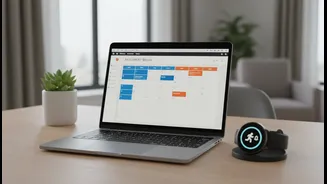
If the biggest challenge is remembering to move, then the simplest solution is a reminder. This is where technology becomes your gentle, non-judgmental wellness coach. Using simple alerts from your phone, smartwatch, or a desktop app can be incredibly effective. Studies have shown that people who use apps and trackers with prompts to stay active increase their daily activity significantly. These alerts remove the mental load of remembering. The goal is no longer to complete a daunting workout, but simply to respond to a beep or a buzz. This approach bypasses the guilt cycle; the alert is just a neutral cue, not a demanding trainer. You can set reminders on your calendar, use a dedicated app, or program your smartwatch. The key is to make the prompt consistent and easy to obey.
What to Do When the Alert Sounds
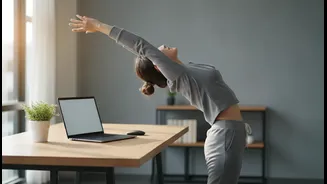
The beauty of this system lies in its simplicity. When your reminder goes off, you don’t need to do much. The goal is just to break the cycle of sitting. Stand up and stretch your arms overhead. Roll your neck from side to side to relieve tension. Do a few shoulder rolls or simple seated twists. You could also perform a few standing calf raises while reading an email or a couple of gentle desk push-ups. Even just standing up, walking to get a glass of water, and sitting back down is a victory. These actions, known as micro-movements, improve circulation, reduce muscle stiffness, and can even enhance focus. The key is to start with movements that are 'embarrassingly small' to build the habit first. Link the movements to existing work habits, like stretching your neck after sending an email, to make them automatic.