







When the Gym Becomes Unreachable
Imagine your commute to the gym involving wading through knee-deep water, navigating gridlocked traffic that has tripled its usual time, or discovering your usual route is completely submerged. This is the reality for millions in Indian cities like Mumbai,
Delhi, and Bengaluru from roughly June to September. The monsoon, while vital for agriculture, brings urban life to a screeching halt. Streets flood, public transport is crippled, and the simple act of traveling a few miles to a fitness center becomes a logistical, and often impossible, ordeal. This isn't just an inconvenience; it’s a predictable, annual disruption that has made depending on a physical gym location an unreliable strategy for staying active. As a result, the very concept of “gym culture”—a destination-based, equipment-heavy routine—is being tested and, in many ways, seasonally abandoned.
The Rise of the At-Home Athlete
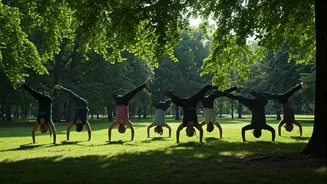
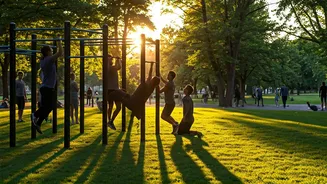
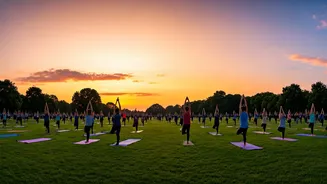
Necessity, as they say, is the mother of invention. In India, the monsoon has become the mother of fitness innovation. Instead of surrendering to a sedentary season, a powerful trend has emerged toward hyper-local and digital workouts. Apartment building staircases have become vertical training grounds for high-intensity interval training (HIIT). Living rooms are now yoga studios, guided by countless YouTube channels and Indian-based fitness apps that have seen a seasonal surge in users. Bodyweight exercises, which require no equipment and minimal space, have become the default. Calisthenics, mat Pilates, and dance fitness routines like Zumba are thriving, offering a full-body workout without anyone having to brave the deluge outside. This isn't a temporary stopgap; it's a sophisticated adaptation, with people investing in basic home equipment like resistance bands and yoga mats to create their own personal, rain-proof fitness sanctuaries.
A Shift in Mindset, Not Just Location
What started as a practical solution to a weather problem is evolving into a significant cultural shift. The monsoon fitness trend is decoupling the idea of being “fit” from the necessity of a gym membership. For many, it's a liberating realization that an effective workout doesn't require a monthly fee or fancy machinery. This movement mirrors the global at-home fitness boom sparked by the pandemic, but with a unique, recurring, and seasonal driver. It’s fostering a sense of resourcefulness and self-reliance. Online communities and virtual classes also play a huge role, replacing the social aspect of the physical gym. Friends might join the same virtual yoga session or share bodyweight challenges on social media, maintaining a sense of community and accountability even when they’re working out alone in their respective homes.
What the West Can Learn
While the headline’s claim of “replacing” gym culture might be an overstatement, the seasonal dominance of these rain-friendly workouts is undeniable. For U.S. audiences accustomed to a climate-controlled fitness bubble, this Indian trend offers a fascinating lesson in adaptability. It’s a reminder that the most resilient fitness plan is one that isn't dependent on a single location or set of circumstances. The creativity on display—from stairwell sprints to living room Zumba—highlights a universal truth: the drive to move and stay healthy can and will find a way, even when faced with torrential downpours. It challenges the Western-centric model of what a workout has to look like and proves that the most important piece of fitness equipment is, and always has been, the human body itself.