





Why Your Body Needs Fibre
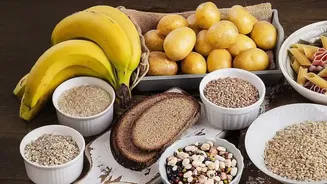
Dietary fibre is a type of carbohydrate that our bodies cannot digest. Instead of being broken down, it passes through our system, playing a crucial role in maintaining our health. The Indian Council of Medical Research (ICMR) suggests adults aim for
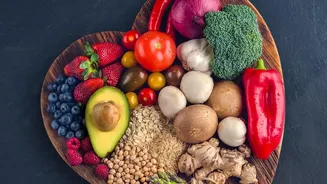
about 25 to 40 grams of fibre daily, though many urban diets fall short of this target. A high-fibre diet aids in regular bowel movements, preventing constipation. It also helps you feel fuller for longer, which can assist in weight management. Furthermore, soluble fibre plays a significant role in controlling blood sugar levels by slowing down glucose absorption, a vital benefit in a country with rising diabetes rates. It can also help lower 'bad' LDL cholesterol levels, supporting overall heart health.
The Whole Grain Powerhouse
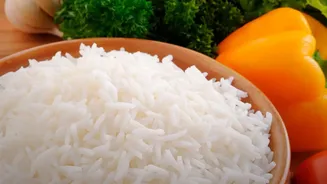
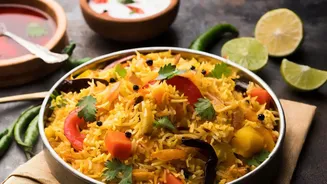
One of the easiest shifts towards a higher-fibre diet is choosing whole grains over refined ones. Traditional Indian diets have long celebrated a variety of millets, which are nutritional champions. Rotis made from jowar (sorghum), bajra (pearl millet), and ragi (finger millet) are packed with fibre. For instance, simply swapping a refined flour roti for one made of bajra or jowar can significantly increase your fibre intake. If you're a rice eater, consider replacing polished white rice with brown rice or even a mix of the two to start. Even the humble whole wheat atta used for daily chapatis is a good source of fibre, especially when it isn't sieved to be overly fine. These grains not only add fibre but also provide sustained energy, preventing the sharp spikes and crashes associated with refined carbohydrates.
Pulses: The Humble Heroes
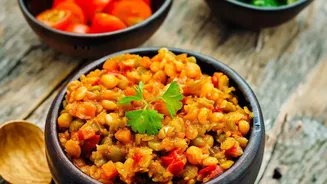
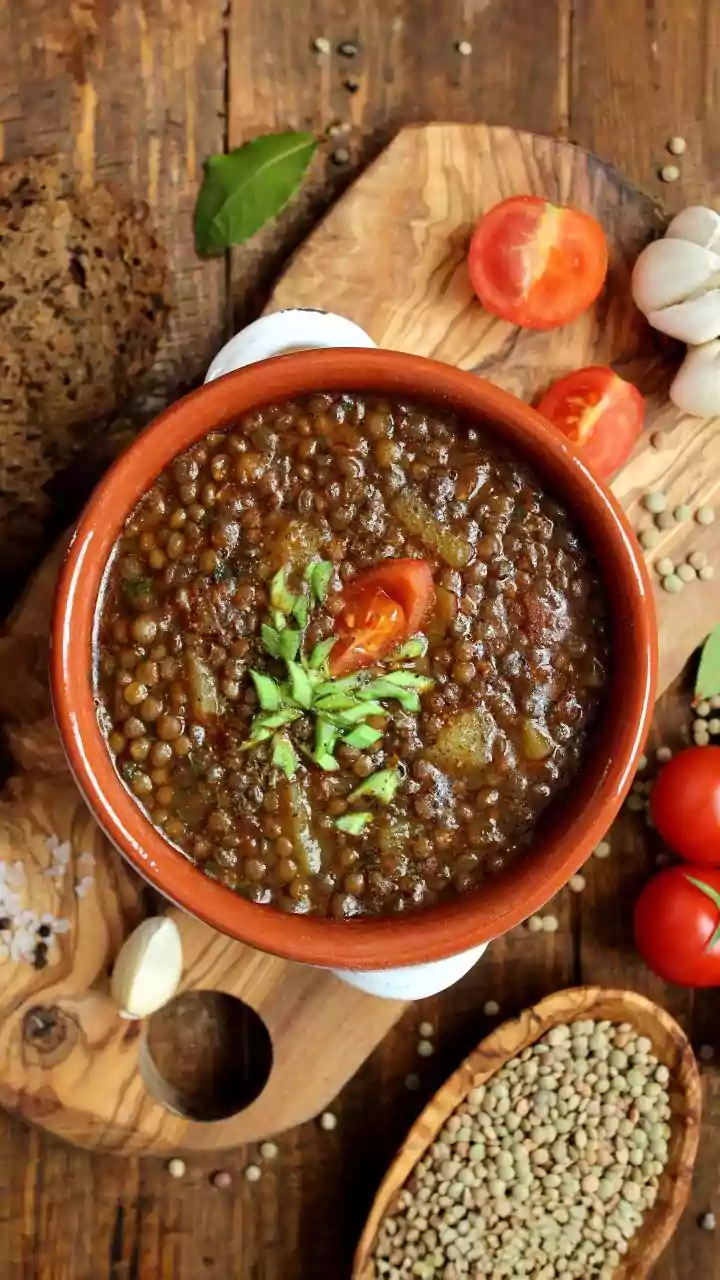
Dals and pulses are the heart of Indian cuisine and are a fantastic source of both fibre and protein. Lentils like masoor and moong dal, and legumes like rajma (kidney beans) and chana (chickpeas) are incredibly fibre-dense. Including a dal or pulse-based dish with every main meal is a practical way to meet your daily requirements. Think beyond a simple dal tadka. Dishes like chana masala, rajma chawal, and sprouts chaat are delicious ways to get more fibre. Whole pulses generally contain more fibre than their split and polished counterparts. Soaking and cooking them well makes their nutrients easier to absorb and digest. This protein-fibre combination enhances satiety, keeping you full and satisfied long after your meal.
Colour Your Plate with Vegetables
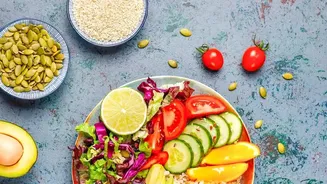
Vegetables are a non-negotiable part of a healthy, high-fibre diet. The goal should be to fill at least half your plate with a colourful assortment of sabzis and salads. Many common Indian vegetables are excellent fibre sources. Bhindi (okra), green beans, carrots, peas, and leafy greens like spinach and fenugreek (methi) are all great choices. To maximize fibre intake, it's best to eat vegetables with their skins on where possible, as a significant portion of the fibre is often located there. Try to incorporate a sabzi into both lunch and dinner. Simple preparations like stir-fries, kootus, and thorans are excellent ways to retain the nutritional value of vegetables without relying on heavy gravies or excessive oil.
Simple Swaps for a Fibre-Rich Day
Increasing your fibre intake doesn't require a complete dietary overhaul. Small, consistent changes can make a huge difference. Start your day with oatmeal or a millet-based porridge instead of refined-flour bread. For lunch, ensure you have a katori of dal alongside a millet roti and a generous serving of sabzi. When snacking, swap packaged biscuits and namkeen for roasted chana, a handful of nuts, or a piece of fruit like a guava, which is exceptionally high in fibre. When making parathas, stuff them with grated vegetables like cabbage or carrots along with the usual filling. Remember to increase your fibre intake gradually and drink plenty of water throughout the day, as fibre needs water to work its magic effectively in your digestive system.