



Why Korean Cucumbers?
From social media feeds to dinner tables, Korean side dishes, or banchan, are having a major moment. At the heart of this trend is the humble cucumber, transformed into something truly special. Unlike a simple salad, Korean cucumber recipes balance spicy,
sweet, savoury, and tangy notes in a way that is incredibly addictive. The secret lies in a few key ingredients and techniques that turn this everyday vegetable into a crisp, flavour-packed delight. These dishes are traditionally served alongside main courses like grilled meats or rice bowls, providing a refreshing contrast. Their growing popularity is no surprise; they are quick to make, endlessly versatile, and offer a delicious crunch that complements many Indian meals perfectly.
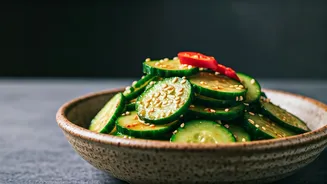
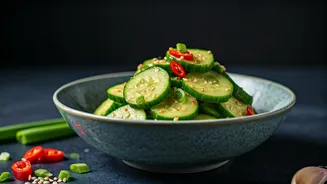
The Classic: Oi Muchim (Spicy Cucumber Salad)
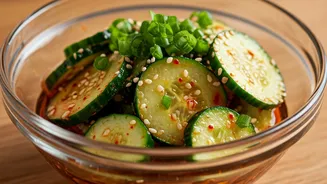
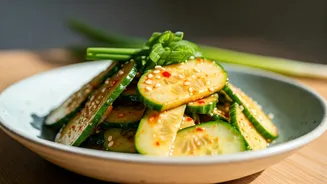
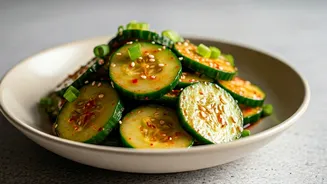
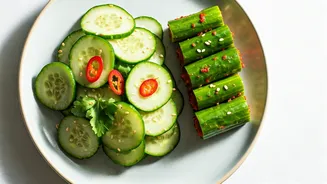
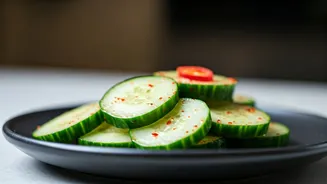
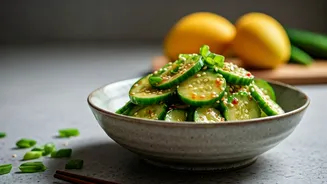
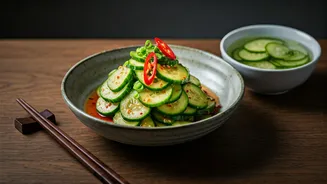
Oi Muchim is arguably the most famous Korean cucumber dish. It's a simple, no-cook salad that takes just minutes to prepare. The cucumbers are typically sliced thinly, lightly salted to draw out excess water (which keeps them crunchy), and then tossed in a vibrant dressing. The magic comes from a blend of gochugaru (Korean chilli flakes), soy sauce, sesame oil, garlic, and a touch of sugar. The result is a side dish that's simultaneously cooling and spicy. For an Indian kitchen, if you can't find gochugaru, a mix of Kashmiri red chilli powder for colour and a pinch of a spicier chilli for heat can be a good substitute. This dish is best served immediately for maximum crunch.
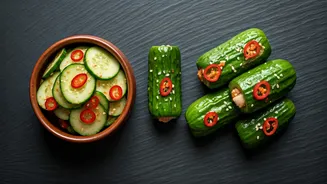
The Fermented Favourite: Oi Sobagi (Stuffed Cucumber Kimchi)
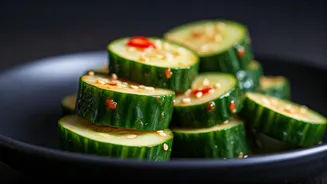
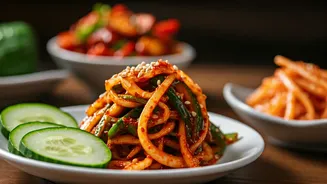
For those who love the complex, tangy flavours of kimchi, Oi Sobagi is a must-try. This is a type of 'fresh' kimchi that doesn't require a long fermentation period. Small pickling cucumbers are cut into quarters, leaving one end intact, creating a pocket. This pocket is then stuffed with a flavourful paste made from garlic, ginger, Korean chives (or green onions), and a generous amount of gochugaru and fish sauce. After being brined in salt water to make them crisp, the cucumbers are stuffed and can be eaten fresh or left to ferment for a day or two at room temperature to develop a deeper, tangier flavour. It’s a crunchy, spicy, and deeply savoury experience that pairs beautifully with rice and dal.
The Ultimate Cooler: Oi Naengguk (Chilled Cucumber Soup)
On a scorching summer day, nothing is more refreshing than Oi Naengguk. This cold soup is a saviour during hot weather. It features julienned cucumbers, and often rehydrated seaweed (miyeok), in a chilled broth. The broth is a simple but flavourful mix of water, soy sauce, vinegar, and a little sugar, creating a perfect sweet, sour, and savoury balance. The soup is served ice-cold, sometimes with actual ice cubes floating in the bowl. The crunchy cucumber and soft seaweed provide a wonderful textural contrast. It’s an unusual concept for those unfamiliar with cold soups, but one taste is usually enough to convert anyone looking for a way to beat the heat.
Tips for Perfect Results
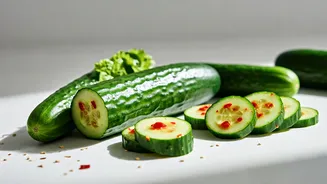
To get the best out of your Korean cucumber dishes, a few tips can help. First, choose the right cucumbers. Smaller, seedless varieties like Persian or English cucumbers are ideal as they are crunchier and less watery. Second, don't skip the salting step when a recipe calls for it. Salting and resting the cucumbers for 15-20 minutes draws out moisture, preventing a watery final dish and ensuring the cucumbers stay crisp. Finally, don't be afraid to adjust the seasonings. If you prefer it less spicy, reduce the amount of chilli flakes. If you like it tangier, add an extra splash of rice vinegar. These recipes are meant to be adapted to your personal taste.