





Weather and Ambiance
November marks the delightful transition from monsoon to winter in both Munnar and Ooty. In Munnar, the northeast monsoon is officially withdrawing, leaving behind lush, rain-washed landscapes and pleasantly cool temperatures. Days are typically sunny
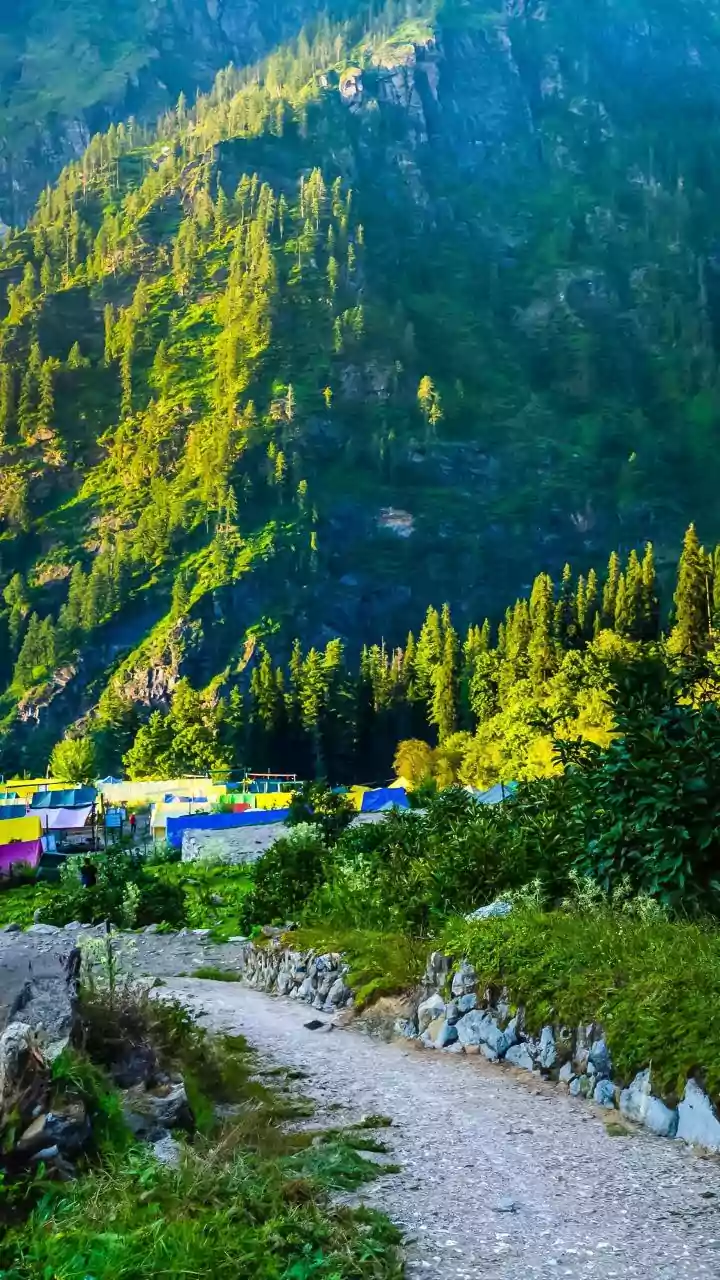
and comfortable, averaging between 15°C and 25°C, while nights can get quite chilly, occasionally dropping to 10°C. The air is crisp, and the scenery is at its greenest, making it ideal for sightseeing without the heavy downpours of the preceding months. Ooty, 'The Queen of Hill Stations', also experiences beautiful weather in November. The monsoon has retreated, resulting in reduced rainfall and clear skies. Temperatures are generally cool and pleasant, ranging from 12°C to 22°C. Mornings and evenings have a distinct chill, perfect for enjoying a warm cup of tea. While you might encounter a few stray showers in both locations, November is largely considered one of the best months to visit for comfortable and clear weather.
Landscape and Scenery
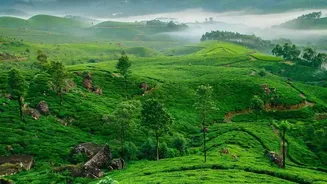
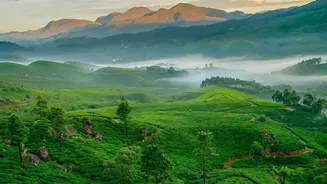
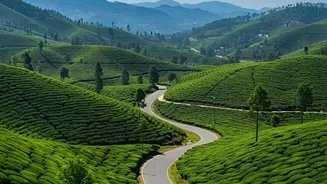
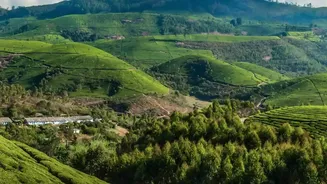
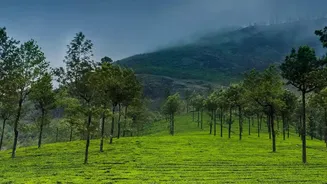
The primary draw of Munnar is its sprawling tea plantations. The rolling hills, blanketed in endless carpets of green, create a serene and picturesque environment. November, with its clear post-monsoon skies, makes these vistas even more spectacular. The landscape feels vast, open, and deeply connected to the tea culture of the region. Key spots like the Top Station and Eravikulam National Park offer breathtaking panoramic views that are especially clear during this time. Ooty's charm lies in its more colonial and organized feel. While it also has tea estates, its landscape is more varied, featuring dense forests, botanical gardens, and prominent lakes. The Government Botanical Garden is a highlight, and the serene Ooty Lake offers boating opportunities. The landscape feels more consolidated and curated compared to Munnar's wilder, more expansive tea country. For those who love endless green vistas and the quietude of plantations, Munnar has the edge. For travellers who prefer a mix of gardens, lakes, and forests, Ooty is the more suitable choice.
Crowds, Costs, and Vibe
November is a shoulder season for both destinations, striking a perfect balance between good weather and manageable crowds. It is the beginning of the peak tourist season, which fully kicks in from December to January. This means you can enjoy all the attractions without the long queues and packed viewpoints that define the high season. Because it's not yet the absolute peak, you can often find good deals on accommodation and travel. Hotels may offer lower rates than they would in late December, making it a relatively budget-friendly time to visit. Munnar generally offers a quieter, more relaxed vibe, making it a favourite among honeymooners and those seeking peace. Ooty, being a more established and commercialized town, tends to be slightly busier year-round, with more shops, restaurants, and a bustling town centre. However, in November, even Ooty feels pleasantly calm compared to its summer and winter holiday peaks.
Activities and Sightseeing
In November, both hill stations are fully open for business. In Munnar, it’s the perfect time for trekking and visiting tea estates. A visit to a tea factory and museum is a must to understand the journey of tea from leaf to cup. The Eravikulam National Park, home to the endangered Nilgiri Tahr, is a major attraction and is typically open, offering stunning walks. Adventure seekers can explore Anamudi Peak or go for light treks through the plantations. In Ooty, boating on Ooty Lake is a classic activity. A ride on the Nilgiri Mountain Railway, a UNESCO World Heritage site, is an unforgettable experience, offering scenic views of the hills. Other key attractions include Doddabetta Peak for panoramic views, the Government Rose Garden, and the picturesque Pykara Lake and waterfalls. The pleasant weather in November makes all outdoor activities, from sightseeing to adventure sports, enjoyable in both locations.