





Full Steam Ahead for Safaris
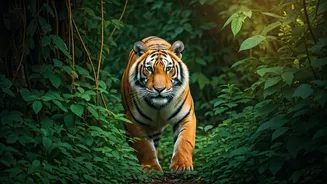
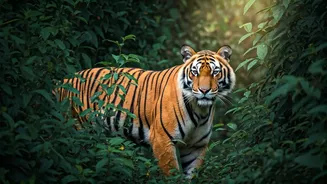
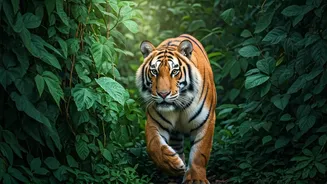
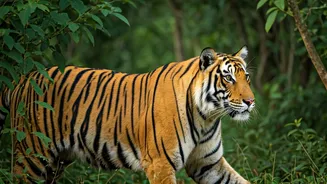
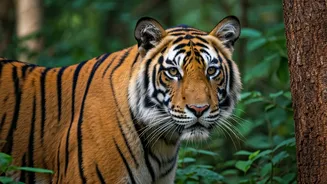
In a significant move for wildlife tourism, the Karnataka government has announced the full resumption of jungle safaris in its two most iconic parks: Bandipur and Nagarahole Tiger Reserves. This decision, which took effect in late June 2026, reverses
restrictions that were put in place in November 2025 due to a spike in human-wildlife conflicts. After a period of partial, 50% capacity operations that began in February 2026, a technical committee's scientific assessment of the forests' carrying capacity has paved the way for a complete reopening. This means that vehicle quotas for both morning and evening sessions have been fully restored, signalling a return to pre-restriction levels and a major boost for the state's eco-tourism sector.
The Magic of a Monsoon Safari
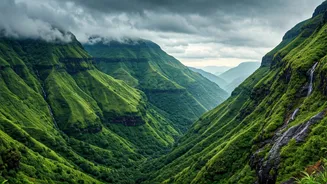
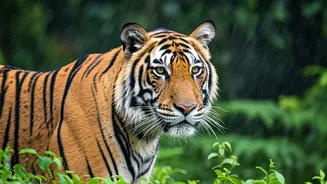
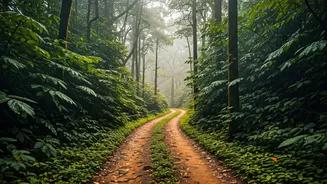
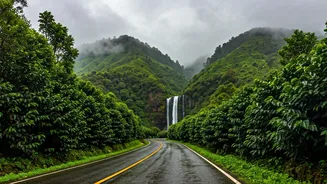
While many national parks across India close their core zones during the monsoon, Karnataka is embracing the season. The reopening of all safari zones in Bandipur and Nagarahole offers a rare chance to witness the jungle in its most lush and dramatic state. The rains transform the dry, deciduous landscape into a vibrant green paradise. This season brings unique wildlife sightings; elephants and gaur are often seen enjoying the fresh vegetation, and the atmosphere is perfect for photographers seeking misty, dramatic shots of the forest. While tiger sightings can be more challenging with the dense foliage, the overall experience of a forest reborn is an attraction in itself.
A Commitment to Eco-Tourism
The government has emphasized that this reopening is guided by a commitment to sustainable and responsible eco-tourism. The decision was based on a scientific assessment to ensure that tourism does not negatively impact the ecological balance. Officials have stated that this regulated approach aims to generate local employment and boost the regional economy, which was significantly affected by the previous restrictions. A portion of the revenue from these safaris is mandated to be channelled directly into local community development, ensuring that the people living around the forests also benefit from tourism. This model seeks to make conservation a collective effort, where tourism positively contributes to both wildlife protection and local livelihoods.
Planning Your Trip: What to Know
With the full reopening, demand for safari slots, especially for weekends in July, has surged. Booking online through the official Karnataka Forest Department portal is the most reliable way to secure a permit. Safaris typically run in two sessions: morning (around 6:00 AM to 9:00 AM) and evening (3:00 PM to 6:00 PM). When planning a trip, be aware of the practicalities of monsoon travel. Forest tracks can be slippery, and leeches are common, so waterproof boots and leech socks or salt spray are advisable. Also, remember that National Highway 766, which passes through the Bandipur forest, remains closed at night from 9:00 PM to 6:00 AM, so plan your travel from cities like Bengaluru accordingly to avoid missing your safari slot.
Beyond Bandipur and Nagarahole
While Bandipur and Nagarahole are the headline attractions, Karnataka's embrace of monsoon tourism extends to other areas as well. The state's broader tourism policy encourages the development of eco-tourism across its diverse landscapes. Destinations like the Dandeli-Anshi Tiger Reserve offer unique experiences, known for hornbill sightings and river-based activities. The Wayanad Wildlife Sanctuary, connected to the Nilgiri Biosphere, is another excellent monsoon destination, particularly for spotting elephants in the rain-fed landscape. These parks provide a different flavour of the Western Ghats' biodiversity, focusing on everything from birdwatching to river ecosystems, showcasing that Karnataka's wild spaces offer more than just the pursuit of big cats.