



Know When and Where to Look
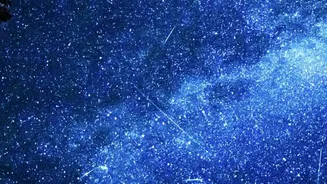
The headline's promise of seeing Orionids 'nightly' starting 'today' is a bit enthusiastic, but the show is indeed coming soon. The Orionid meteor shower is active from early October to early November. However, the best time to watch will be during its
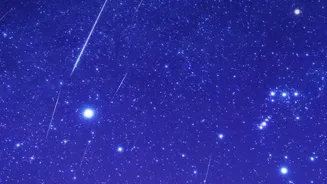
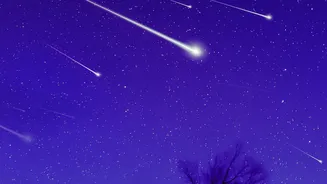
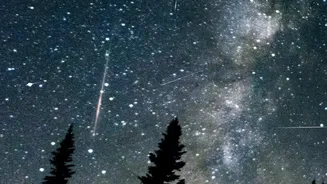
peak, which in 2026 occurs in the pre-dawn hours of October 21st and 22nd. These meteors are pieces of Halley's Comet, and they appear to radiate from the constellation Orion. You don't need to stare directly at Orion; in fact, the meteors will appear as longer streaks if you look about 45 to 90 degrees away from it. The prime viewing window is after midnight, once the constellation has risen high into the sky and before the dawn light begins to interfere.
Escape the Glare: Location is Everything
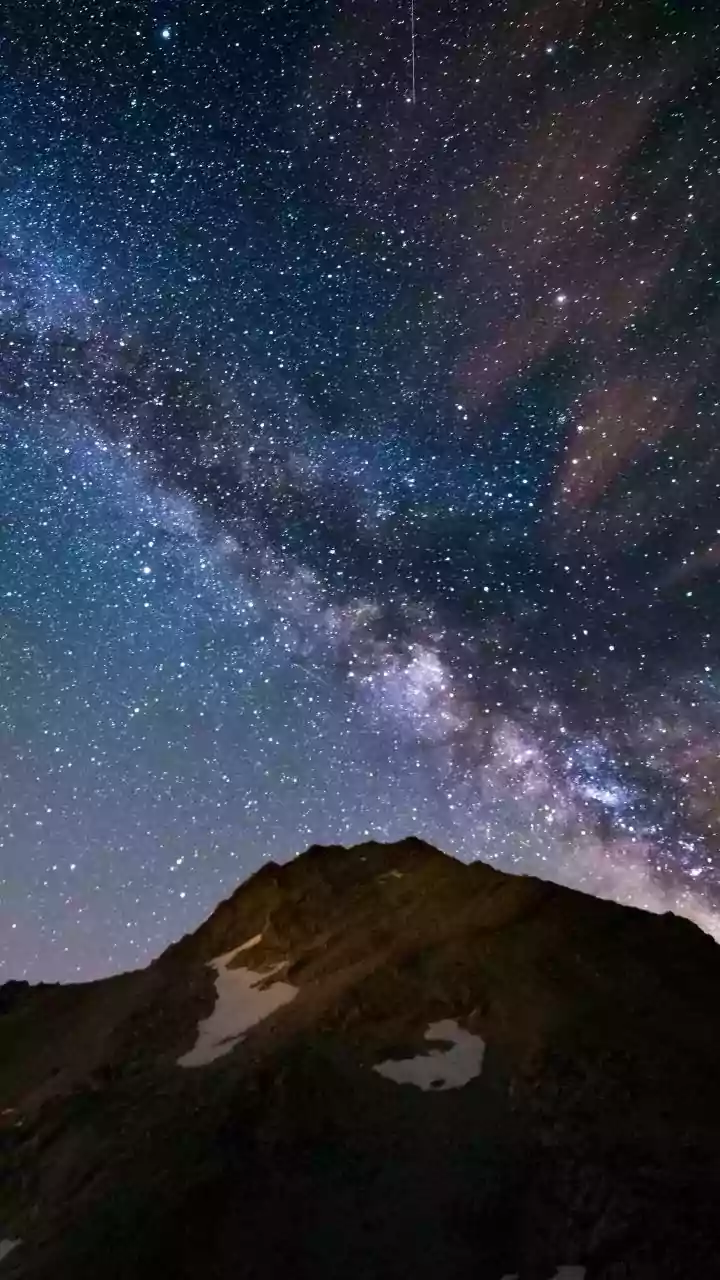
The biggest challenge for any urban stargazer is light pollution. The glow from streetlights, buildings, and cars can wash out all but the brightest celestial objects. To maximize your chances, you need to find the darkest spot possible. Think large parks, riverfronts, or even the top floor of a tall building with an unobstructed view away from the city center. Even getting to the edge of town can make a significant difference. The key is to put as many buildings or trees as you can between you and direct light sources like streetlamps. A little bit of planning to find a darker location can be the deciding factor between seeing a few meteors and seeing none at all.
Trust Your Eyes, Not a Telescope
Here's the good news: you do not need a telescope or even binoculars. In fact, they are counterproductive for watching a meteor shower. Telescopes are designed to focus on a very small, specific area of the sky, but meteors can appear anywhere and are gone in a flash. The best tool you have is your own eyes, which provide a wide field of view, allowing you to take in as much of the sky as possible. This increases your chances of spotting the fleeting streaks of light. The Orionids are known for being fast and sometimes leaving behind a persistent, glowing trail. Lying on a blanket and simply looking up is the most effective viewing strategy.
The Art of Seeing in the Dark
Your eyes need time to adjust to the darkness, a process called dark adaptation. It can take 20 to 30 minutes for your pupils to fully dilate and for you to start seeing fainter stars and meteors. This is crucial for success. The biggest enemy of dark adaptation is the bright screen of your smartphone. Checking it for even a second will reset your night vision. If you need a light, use a red-light torch or cover a regular flashlight with red cellophane. Red light has a minimal effect on your night vision. Patience is essential; give your eyes the time they need to work their magic.
Use Your Phone Wisely
While you should avoid looking at your screen, your phone can be a powerful tool before you start watching. There are many excellent stargazing apps, like SkyView, Star Walk 2, or Stellarium, that can help you locate the constellation Orion so you know the general direction to face. Many of these apps have a red-light 'night mode' that preserves your dark adaptation. You can use an app to get oriented at the beginning of your session and then put your phone away. This way, you get the benefit of technology without it hampering your ability to see the actual show overhead.
Get Comfortable and Be Patient
Meteor watching is a waiting game. You might see several in a few minutes, then none for a while. Under perfect, dark-sky conditions, the Orionids can produce 15-20 meteors per hour, but from a city, that number will be much lower. The key is to make the experience enjoyable. October nights can be chilly, so dress in layers and bring a warm blanket or a sleeping bag. A reclining lawn chair or a blanket on the ground will save you from a sore neck. Pack a thermos with a hot drink and think of it as a peaceful, meditative experience. The more comfortable you are, the longer you'll be willing to wait and the more you're likely to see.