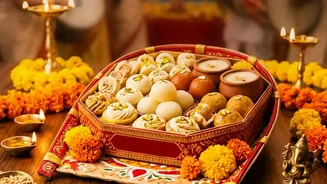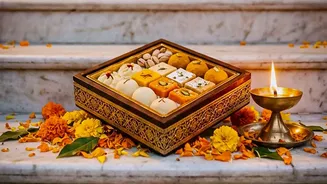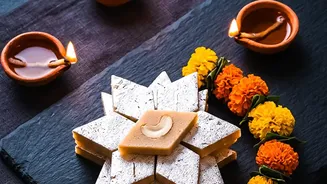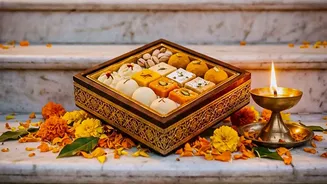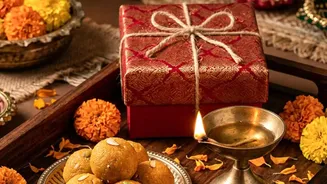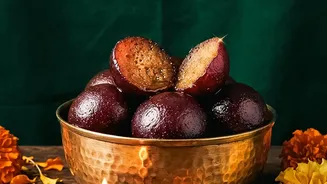


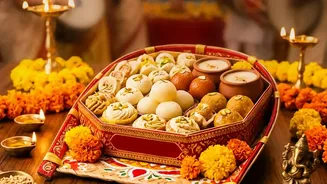
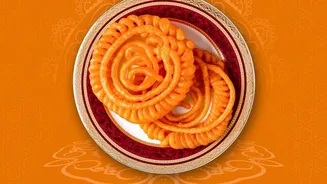
This Diwali, the festive spirit shines brighter with a conscious choice. Families are embracing tradition by making sweets at home, but with a healthy twist that nourishes the body and soul without sacrificing the joy of the occasion.
A Conscious Celebration
The aroma of freshly
made sweets is inseparable from Diwali, but a growing wellness trend is changing what goes into the pot. More families are stepping into their kitchens to create healthier versions of beloved classics. This shift isn't about restriction; it's about adaptation. Driven by a desire for better health and a mindful lifestyle, people are moving away from store-bought mithai, which are often loaded with refined sugar and fats. By making treats at home, they gain complete control over the ingredients, ensuring that every bite is made with love and good health in mind. This movement marries the deep-rooted tradition of festive cooking with modern nutritional awareness, proving that indulgence and well-being can go hand in hand.
Reimagining Your Festive Pantry
Creating healthier Diwali sweets starts with a few simple but powerful ingredient swaps. The biggest culprit, refined white sugar, can be easily replaced. Natural sweeteners like jaggery, date paste, figs, and honey offer sweetness along with added nutrients, though they should still be used in moderation. For recipes that require flour, consider swapping refined maida with whole wheat flour, or even more nutritious options like ragi (finger millet), oat, or almond flour. These alternatives provide more fibre and a richer, earthier taste. When it comes to fats, high-quality ghee used judiciously is a traditional choice, but you can also explore baking or air-frying snacks like gujiyas and shakkarpara instead of deep-frying them to significantly cut down on oil.
Classic Sweets, Modern Makeovers
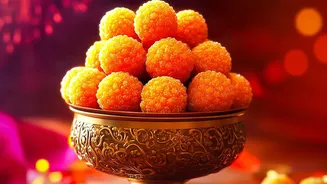
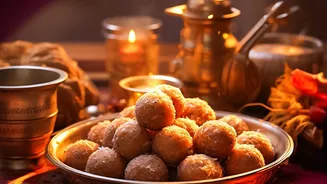
You don't need to invent new recipes to have a healthier Diwali. Your favourite traditional sweets can be easily adapted. For ladoos, try a base of dates and nuts, which binds together beautifully without any added sugar. These dry fruit ladoos are not only delicious but also packed with energy, protein, and fibre. For barfis and halwas, you can reduce the amount of sugar called for in a traditional recipe and compensate with flavourful spices like cardamom, saffron, and nutmeg. Anjeer (fig) barfi is another excellent option that relies on the natural sweetness of dried figs. Even kheer can be made with less sugar and enriched with nuts and seeds, or you can experiment with healthier grains like quinoa or millet instead of rice.
Beyond the Ingredients: Smarter Techniques
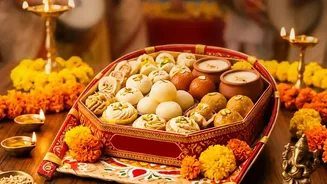
How you cook is just as important as what you cook with. Portion control is one of the simplest yet most effective strategies for a healthier festival. Making smaller ladoos or cutting barfi into tinier squares allows everyone to sample a variety of treats without overindulging. As mentioned, baking and air-frying are game-changing techniques for snacks that are traditionally fried. You can make wonderfully crisp, baked chaklis using whole wheat or ragi flour, or use an air fryer to get that perfect crunch on samosas and mathris with a fraction of the oil. When serving guests, consider presenting a mixed platter that balances a few homemade sweets with roasted makhana (fox nuts), a colourful fruit chaat, and a bowl of spiced nuts.
The Joy of Mindful Indulgence
Ultimately, the trend towards healthy homemade sweets is about enhancing the festive experience. It's about finding joy in the process of creating something nourishing for your loved ones. It encourages mindful eating, where you savour each bite and appreciate the flavours, rather than consuming sweets absentmindedly. Nutritionists suggest that it's better to choose one or two of your favourite treats and enjoy them slowly than to try a little of everything. This approach eliminates guilt and allows you to fully participate in the celebratory spirit. After all, one or two sweets will not derail a healthy lifestyle; what matters is the overall pattern of eating with awareness and enjoyment.