


What Makes the Harvest Moon Special?
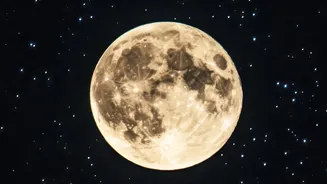
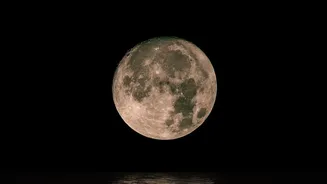
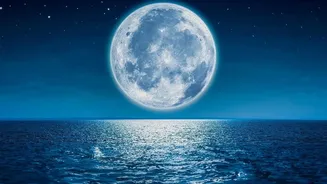
The Harvest Moon is the full moon that occurs closest to the autumnal equinox, which marks the beginning of autumn in the Northern Hemisphere. Its name comes from a time before electricity, when farmers depended on the moon’s bright light to extend their
working day and gather crops late into the night. What makes it unique is that for several nights around its peak, the moon rises very soon after sunset, instead of the usual 50-minute delay. This results in several evenings filled with bright moonlight, a phenomenon that was once a critical tool for agriculture and is now a beautiful sight for all to enjoy.
When to Watch in India
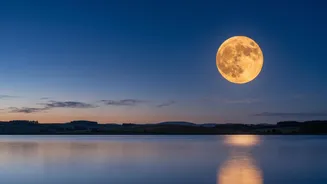
For skywatchers in India, the Harvest Moon will grace the sky on Saturday, September 26, 2026. The moon will reach its moment of peak illumination at 10:19 PM IST. Since this peak occurs during nighttime hours in India, the country is perfectly positioned for prime viewing. While 10:19 PM is the technical peak, the moon will appear full and brilliant throughout the night of September 26 and into the early hours of September 27. To catch the most dramatic sight, try watching as the moon rises above the eastern horizon, when it can appear larger and take on a warm, golden hue.
The Best Way to See It
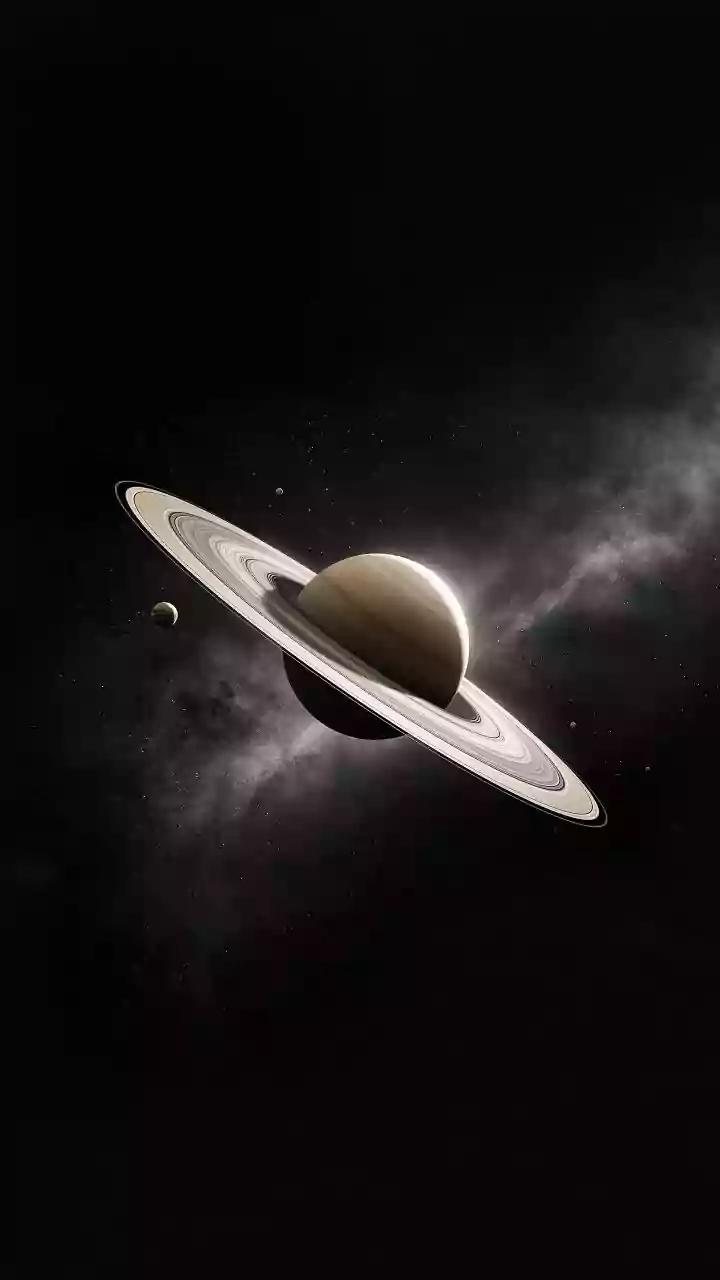
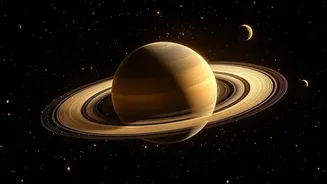
You don’t need any special equipment to enjoy the Harvest Moon; its glow will be visible to the naked eye. For the best experience, find a location away from bright city lights that offers a clear, unobstructed view of the horizon. Parks, open fields, or even a quiet rooftop can be ideal spots. Patience is key—allow your eyes about 15-20 minutes to adjust to the darkness, which will help you see the moon's features and surrounding stars more clearly. While the moon itself is the main attraction, keep an eye out for the planet Saturn, which will appear as a bright, star-like object near the moon after it rises.
The Moon Illusion Explained
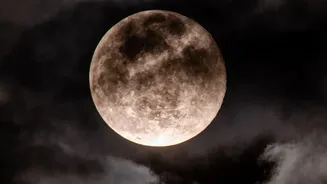
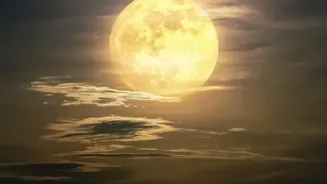
If you watch the moon as it is just rising, you might notice it looks enormous and has a distinct orange or reddish colour. This is not your imagination, but a combination of two fascinating effects. The orange glow happens because when the moon is low on the horizon, its light travels through more of Earth’s atmosphere. This scatters the blue light and allows more red light to reach your eyes. The perception of it being larger is known as the 'Moon Illusion', an optical effect that makes our brains perceive the moon as bigger when it's near the horizon compared to when it's high in the sky. It’s a trick of the mind, but a beautiful one to witness.
Cultural Significance in India
While the name 'Harvest Moon' has its roots in Western agricultural traditions, the full moon in this period holds deep significance in India as well. This time often coincides with Pitru Paksha, a period in the Hindu calendar dedicated to honouring ancestors. Furthermore, the full moon of the Ashwin month, which typically falls in September or October, is celebrated as Sharad Purnima. On this night, it is a tradition in many parts of India to prepare kheer (rice pudding) and leave it under the moonlight, as it is believed the moon's rays have purifying and healing properties. It’s a time that beautifully merges celestial events with cultural and spiritual practices.