






The festive season hiring rush is a familiar story, but this year, the script has changed. The biggest growth in seasonal jobs isn't in the metros, but in India's smaller cities, reshaping the country's economic map one delivery at a time.
A Hiring Boom Beyond the Metros
For years, the
narrative of India's festive job market was dominated by big cities like Mumbai, Delhi, and Bengaluru. In 2026, however, the real story is the explosive growth in Tier-2 and Tier-3 cities. Staffing firms report that while metros are still significant, the momentum has decisively shifted. According to a recent report from Adecco India, demand in emerging markets like Lucknow, Jaipur, Coimbatore, and Nagpur surged by 21-25% year-on-year, significantly outpacing the 14% growth in major metros. Another survey from Indeed found that nearly half of all employers expect hiring to grow in Tier-2 cities, with another 38% seeing opportunities expanding into even smaller towns. This trend indicates a structural shift, with these smaller urban centres expected to contribute nearly half of the incremental demand for seasonal workers.
The Engine: Rise of the Local Hub
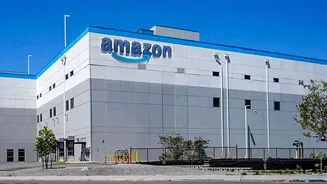
The driving force behind this geographic shift is the rise of local fulfillment hubs and micro-warehouses. As e-commerce and quick-commerce platforms compete to deliver goods faster—often within hours or even minutes—they need to be closer to their customers. Massive, centralized warehouses on the outskirts of megacities are no longer sufficient. Instead, companies like Amazon and Flipkart are investing heavily in a decentralized network of smaller sorting and delivery stations strategically placed in cities like Bhubaneswar, Surat, and Kochi. These local hubs serve as the crucial 'last-mile' link in the supply chain, allowing companies to meet the soaring demand from a rapidly growing online consumer base in non-metro areas. This hyperlocal strategy not only reduces delivery times and transportation costs but also turns existing retail stores into mini-distribution centres, optimizing inventory across the country.
What Kind of Jobs Are Being Created?
The job creation in these smaller cities is tangible and diverse, focused primarily on getting products to people's doorsteps. The steepest rise in hiring, estimated at 35-40%, is in logistics and last-mile delivery. Reports indicate that delivery executives, warehouse associates, pickers, and packers account for the majority of the new roles. For its 2026 festive season, Flipkart announced that around 60% of its new opportunities would be in last-mile delivery, supported by over 900 new festive delivery hubs. These are not just temporary gigs; for many in smaller towns, they represent a move into the formal economy and a viable career path. Furthermore, this boom creates a ripple effect, stimulating ancillary businesses in transportation, packaging, and local services, injecting fresh economic vitality into the community.
More Than Just a Festive Trend
While the festive season highlights this trend, the decentralization of logistics is a long term strategic shift. Customer expectations for rapid delivery are here to stay, making a geographically distributed network essential for survival in the competitive e commerce landscape. Staffing firms are observing that companies are planning their hiring cycles much earlier and are increasingly looking to retain a portion of their seasonal workforce for longer term roles. One survey found that nearly three quarters of employers expect to convert at least 10% of their 2026 festive hires into more permanent positions. This suggests that the fulfillment hubs being established are not just temporary setups but permanent fixtures in a new, more resilient national supply chain. This shift is also creating better paying opportunities, with compensation in emerging cities reportedly rising faster than in the metros.