







The Symbolism in the Flame
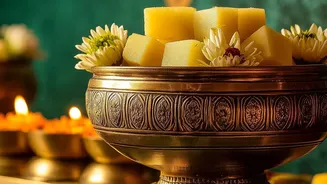
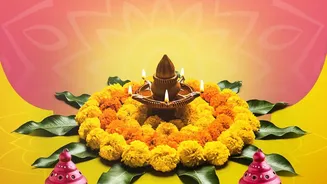
The tradition of lighting diyas is deeply woven into the cultural and spiritual fabric of India. Most famously associated with Diwali, the festival of lights, the diya's flame represents the timeless triumph of light over darkness, knowledge over ignorance,
and good over evil. According to Hindu mythology, diyas were lit to welcome Lord Rama back to Ayodhya after 14 years of exile, a symbolic gesture of celebration and dispelling darkness. This act is more than just illumination; it is a form of worship and an offering to the divine, believed to purify the surroundings, remove negative energy, and welcome prosperity. The simple lamp, crafted from earth, holding oil and a cotton wick, beautifully represents the harmony of the five elements (Panch Mahabhutas): earth, water, fire, air, and space.
From the Potter's Wheel to the Altar
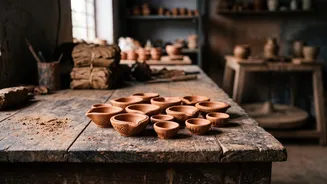
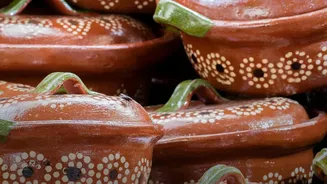
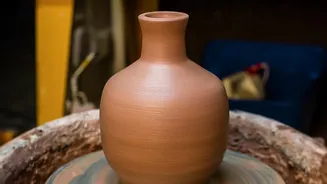
The journey of a diya begins with a lump of clay and the skilled hands of a potter, often from the Kumhar community, who have passed this craft down through generations. The process is a testament to patience and tradition: clay is sourced, mixed to the perfect consistency, and then skillfully shaped by hand or on a potter's wheel. Once molded, the diyas are left to dry under the sun before being fired in a kiln, a crucial step that gives them strength and their characteristic terracotta colour. This ancient craft, with roots tracing back to the Indus Valley Civilization, is not just a production process; it is a living heritage, a tangible link to India's long history of pottery.
A Lifeline for Local Economies
For countless artisan families across India, the festive season is a critical economic period. The sale of earthen diyas provides a significant portion of their annual income, supporting livelihoods in villages and potter settlements like Kumhar Gram in Delhi. This seasonal economy is a powerful example of a localized supply chain, where the income generated directly benefits the craftspeople and their communities. Every diya purchased from a local vendor is a direct contribution to sustaining a family and an ancient craft. It's a grassroots economic engine that connects the urban consumer's festive needs with the rural artisan's primary source of income.
A Flicker of Tradition in a Modern World
Despite its deep cultural roots, the traditional diya faces significant challenges. The market is flooded with mass-produced, often imported, electric lights and plastic alternatives. These cheaper, more convenient options threaten the livelihoods of traditional potters, who struggle to compete. Potters also face rising costs and scarcity of raw materials like clay, which was once freely available but is now a costly commodity. Some artisans report that despite their year-long efforts, profit margins are slim, making it difficult to sustain their families and discouraging the younger generation from continuing the trade.
The Choice to Keep the Flame Alive
In recent years, there has been a growing awareness and a conscious pushback against this trend. Initiatives like the 'Vocal for Local' campaign have encouraged consumers to support indigenous products and the artisans behind them. This has helped revitalize local economies and preserve cultural heritage. Choosing to buy a simple earthen diya over a factory-made light has become a statement of conscious consumerism. It is an acknowledgment that this small lamp carries the weight of a family's livelihood and a nation's artistic legacy. While some studies note the challenges, others find that demand for traditional pottery is actually increasing during festivals, driven by a new appreciation for handmade and eco-friendly products.