




Understanding 'Reef-Safe' Sunscreen
The term 'reef-safe' has become a crucial part of the eco-conscious traveller's vocabulary. It refers to sunscreens formulated without chemicals known to harm coral reefs. The primary culprits are oxybenzone and octinoxate, which studies have shown can
cause coral bleaching, damage coral DNA, and disrupt marine ecosystems. When these chemicals wash off your skin, they enter the water and can have devastating effects, even in tiny concentrations. To make a responsible choice, look for mineral-based sunscreens. These use active ingredients like non-nano zinc oxide or titanium dioxide, which form a physical barrier on your skin rather than being absorbed. Always check the ingredient list, as the term 'reef-friendly' isn't officially regulated.
The Snorkel Rental Dilemma
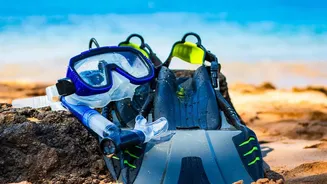
Arriving at a beautiful bay, the allure of the underwater world is hard to resist. The convenient beachside rental shack seems like the obvious choice. However, this convenience comes with costs and considerations. Daily rental fees for a mask, snorkel, and fins can range from $15 to $45 per person. For a family of four enjoying the water for a few days, these costs add up quickly. Beyond the price, there are other factors. Hygiene is a common concern with shared snorkels. More importantly, rental gear is often 'one-size-fits-most,' leading to poorly fitting masks that leak constantly, fog up, and can ruin the experience. An ill-fitting mask is more than an annoyance; it’s a distraction from the serene beauty you’re there to witness.
The Economics of Owning Your Gear
Investing in your own snorkel set is a game-changer for frequent beachgoers. A quality, comfortable set can be purchased for what you might spend renting gear for a single week-long vacation. Consider that a week's rental could cost upwards of $70 to $140 per person. A good quality personal set might cost between $70 and $210, but it's a one-time purchase that can last for years with proper care. The value extends beyond just one trip. Once you own your gear, you’re free to snorkel whenever and wherever you like—from a planned excursion to a spontaneous stop at a roadside cove. It transforms snorkeling from a paid activity into a readily available adventure.
The Perfect Fit and Freedom
The single biggest advantage of owning your gear is the guaranteed fit. A mask that seals perfectly to your face without leaking is essential for a comfortable and immersive experience. You can try on different models in a store to find one that suctions to your face even without the strap, ensuring a proper seal. This level of personalization is something a rental shop can rarely offer. Owning your gear also means you can maintain it properly, ensuring it's always clean and in good condition. This personal investment pays dividends in comfort, safety, and the sheer joy of being able to focus on the fish, turtles, and coral, not on faulty equipment.
The Quiet Bay Advantage
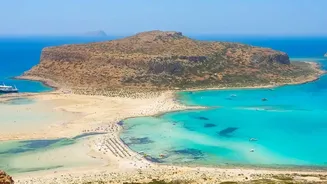
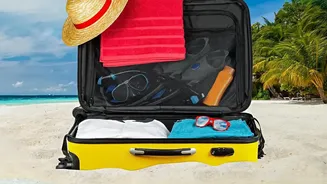
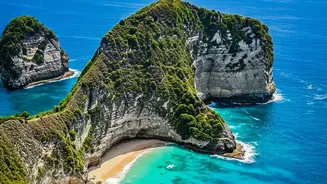
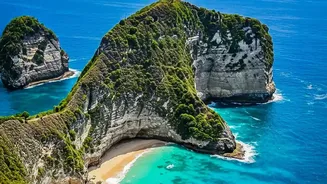
The headline's mention of 'quiet bays' is key. These hidden gems, away from the bustling tourist hubs, are where you'll find true tranquility. However, their seclusion often means fewer amenities. A remote beach in Greece, a hidden cove in Puerto Rico, or a less-travelled stretch of sand on one of Hawaii's smaller islands is unlikely to have a rental stand. In these situations, being self-sufficient is not just a cost-saver; it's the only way to explore the underwater world. Packing your own snorkel and fins means you're prepared for adventure wherever you find it, turning every secluded shoreline into a potential exploration site and making your trip richer and more spontaneous.