




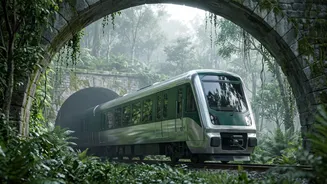
A Glimpse into the Technology
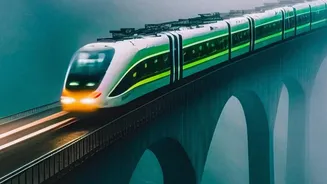
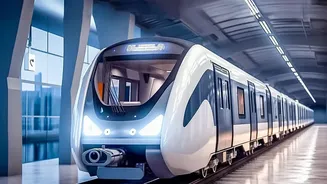
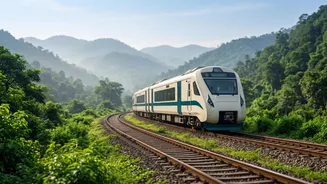
At its core, a hydrogen-powered train is essentially an electric train that produces its own power. Instead of drawing electricity from overhead lines, it uses on-board fuel cells. In these cells, hydrogen stored in tanks reacts with oxygen from the air
in a chemical process that generates electricity. This electricity then powers the motors that turn the wheels. The only byproduct of this process is water vapour, making it a completely emission-free mode of transport at the point of use. This clean operation stands in stark contrast to the diesel engines that have traditionally powered trains on non-electrified routes, which produce significant carbon emissions and noise pollution.
Introducing 'Hydrogen for Heritage'
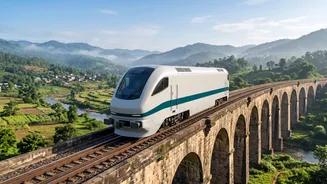
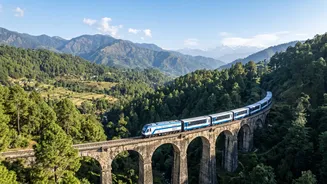
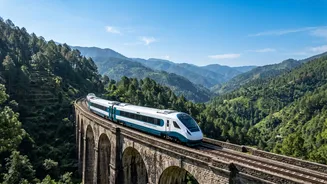
The 'Hydrogen for Heritage' project is a pioneering initiative by Indian Railways to run locally-produced, zero-emission trains on its most iconic and ecologically sensitive routes. The plan involves retrofitting existing Diesel Electric Multiple Unit (DEMU) trains with hydrogen fuel cell systems. The initial focus is on celebrated hill railways and heritage lines, such as the Kalka-Shimla route, the Darjeeling Himalayan Railway, and the Nilgiri Mountain Railway. The project aims to roll out 35 such trains, preserving the nostalgic charm of these journeys while eliminating the environmental impact of diesel smoke and engine noise, thus enhancing the tourist experience and protecting fragile ecosystems.
Why Heritage Routes are the Perfect Proving Ground
Choosing heritage lines as the starting point for this technological leap is a calculated and strategic decision. These routes are self-contained, with predictable schedules and shorter distances, making them ideal testbeds for a new energy source without disrupting the wider rail network. They are also immensely popular with tourists, providing a highly visible platform to showcase India's commitment to green technology and sustainable development. By introducing silent, non-polluting trains, Indian Railways can preserve the pristine beauty and serene atmosphere of these scenic locations. It turns a routine technology trial into a powerful statement about respecting heritage while embracing the future.
A Crucial Part of the 'Net Zero' Mission
This initiative is more than just a standalone project; it's a vital component of Indian Railways' ambitious goal to become a 'Net Zero' carbon emitter by 2030. While the organisation has made massive strides by electrifying a vast majority of its network, hydrogen offers a clean solution for the remaining non-electrified sections and provides a strategic alternative fuel source. By developing expertise in hydrogen technology, even on a small scale, Indian Railways is building capacity and driving down costs for potential wider application. It complements other green initiatives like solar and wind power, creating a multi-pronged strategy to decarbonise one of the world's largest railway networks.
Challenges and the Road Ahead
The path to a hydrogen-powered future is not without its obstacles. The primary challenges are the high initial costs of both the fuel cell technology and the production of 'green hydrogen' (hydrogen produced using renewable energy). Developing the necessary infrastructure for hydrogen storage and refuelling at remote heritage locations also presents a significant logistical and financial hurdle. Safety protocols for handling highly flammable hydrogen gas must be stringent. Despite these challenges, the 'Hydrogen for Heritage' project is a critical investment. The experience gained and the technological capabilities developed will be invaluable, potentially positioning India as a leader in hydrogen rail technology and paving the way for a truly green railway system.