


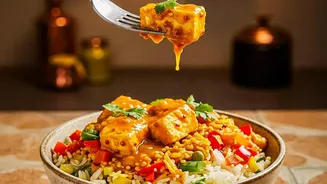
The Philosophy of Fasting Food
Navratri fasting is more than just abstaining from food; it's about adopting a 'sattvic' diet. Originating from the Sanskrit word 'sattva,' meaning purity and harmony, this diet is designed to be light, calming, and conducive to meditation. It typically
excludes grains like wheat and rice, lentils, onions, garlic, eggs, and meat. Instead, the focus shifts to a specific group of ingredients that provide energy without being heavy on the digestive system, which is believed to be more sensitive during seasonal changes when Navratri is celebrated. Rock salt, or 'sendha namak', replaces regular table salt.
Kuttu Ka Atta: The Warming Powerhouse
Kuttu ka atta, or buckwheat flour, is a star ingredient during Navratri. Despite its name, buckwheat is not a wheat but a fruit seed, making it permissible for fasting. Traditionally cultivated in the Himalayan foothills, this flour is known for its warming properties. It's packed with high-quality protein, magnesium, and fibre, which helps in maintaining energy levels and aids digestion. This dense, nutty-flavoured flour is used to make a variety of dishes, from crispy 'kuttu ki poori' and parathas to savoury pancakes called 'cheelas'. Many pair it with yoghurt to balance its natural warmth.
Sabudana: The Versatile Energy Booster
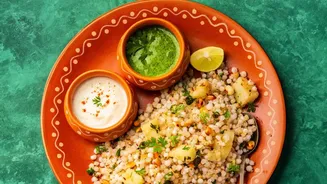
Sabudana, also known as tapioca pearls or sago, is another fasting favourite. Derived from the starch of the cassava root, these small white pearls are almost pure carbohydrate, providing a quick and sustained release of energy. They are incredibly versatile and used in both savoury and sweet dishes across the country. The most popular preparation is Sabudana Khichdi, a delightful mix of soaked pearls, roasted peanuts, potatoes, and mild spices. Sabudana vadas (deep-fried fritters) and creamy Sabudana Kheer are other much-loved preparations that make fasting feel like feasting.
Singhare Ka Atta: The Cooling Counterpart
Singhare ka atta, or water chestnut flour, is another essential fasting flour. Unlike kuttu, singhara has cooling properties, making it a great alternative. This flour is derived from dried, ground water chestnuts, which are technically a fruit, not a grain. It's gluten-free and rich in potassium, iron, and antioxidants. Lighter in texture than kuttu, it is often used to make soft rotis, puris, and even decadent halwa. Many cooks find that it gives a crispier texture to snacks like pakoras. Sometimes, kuttu and singhara flours are mixed to achieve a balanced texture and nutritional profile.
Samak Ke Chawal: The Grain-Free 'Rice'
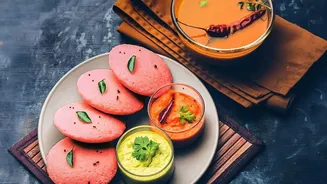
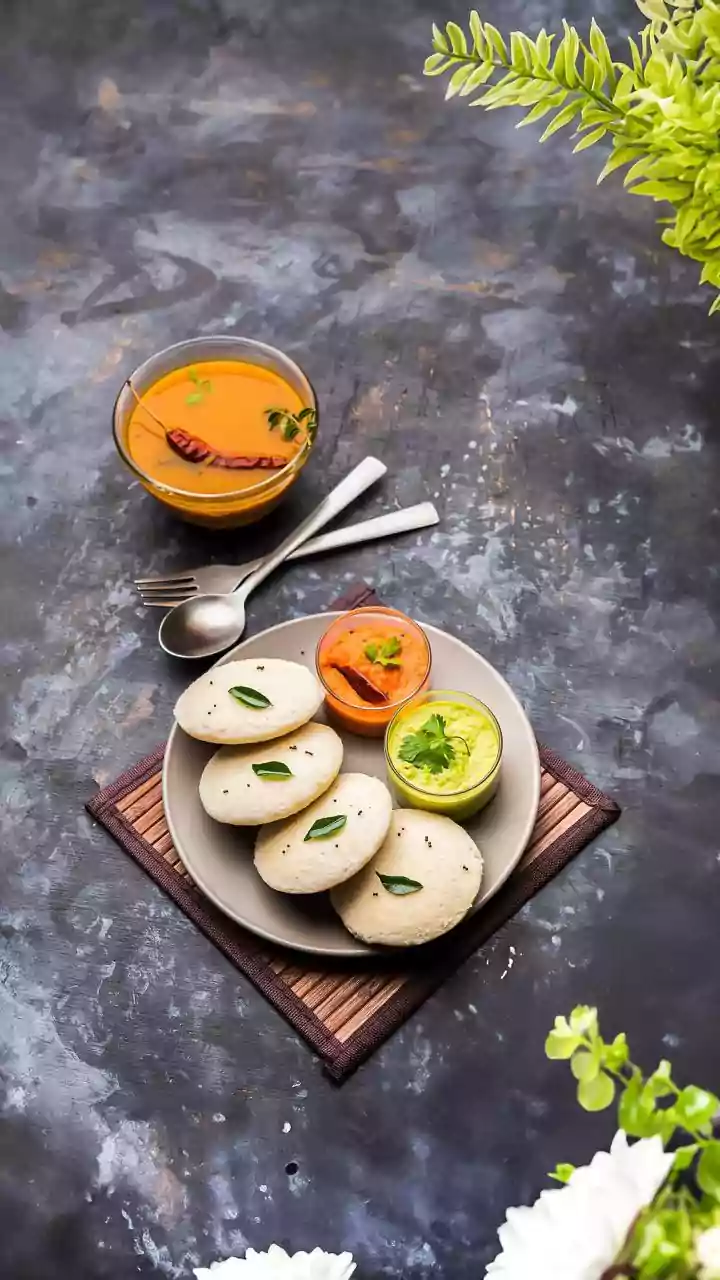
To fill the void left by regular rice, 'samak ke chawal', or barnyard millet, comes to the rescue. This tiny, gluten-free pseudo-grain is a powerhouse of fibre and protein compared to refined grains. Known by various names like 'samo' and 'bhagar' in different regions, it cooks quickly and can be used to make a variety of dishes. It serves as a base for pulao, cooked with potatoes and peanuts, or a comforting 'khichdi'. It can also be used to make porridge, idlis, and even a type of 'kheer', providing a rice-like experience that adheres to fasting rules.
Fruits, Dairy, and Regional Nuances
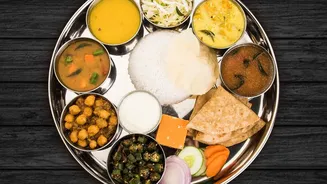
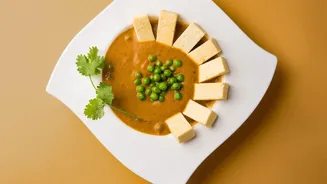
Beyond these special flours and millets, the Navratri diet is rich in fruits, which provide essential vitamins and hydration. Dairy products like milk, yogurt (curd), paneer, and ghee are also integral, offering protein and healthy fats. The beauty of Navratri food lies in its regional diversity. In Maharashtra, Sabudana Khichdi and Vada are staples. In West Bengal, while many feast, those who fast might enjoy special preparations. In Punjab, dishes featuring paneer and potatoes are common, alongside 'rajgira' (amaranth) flour parathas. This culinary tapestry reflects how a common spiritual principle is expressed through local ingredients and tastes.