







Why Your Digestion Changes in Monsoon
The arrival of the rains brings a damp, humid environment that is a breeding ground for bacteria and viruses. According to Ayurveda and modern nutrition, our digestive fire, or 'agni', weakens during this season. This makes the gut more susceptible to infections
and issues like bloating, acidity, and indigestion. A slower metabolism means your body struggles to break down heavy, oily, or raw foods. Therefore, the key to monsoon wellness is eating light, warm, and easily digestible meals that support your gut and bolster your immune system against common illnesses like the cold, flu, and stomach bugs.
Foods to Embrace This Season
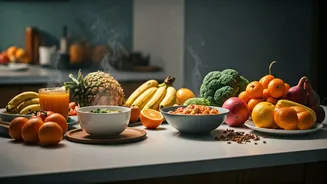
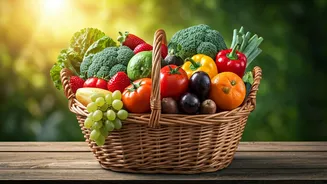
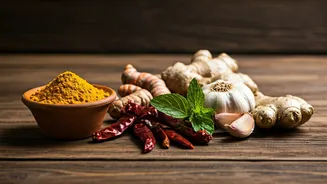
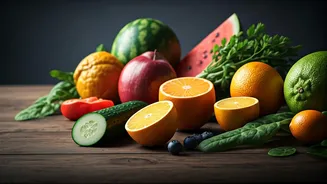
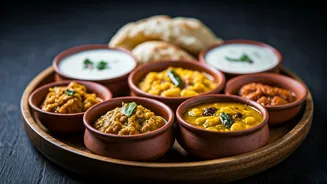
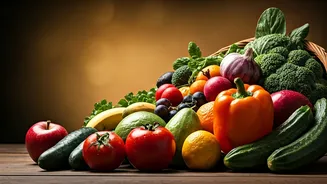
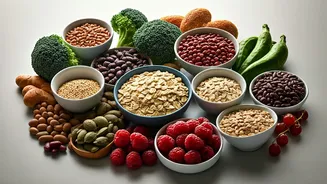
Focus on foods that are light on the stomach and have natural antiseptic or immunity-boosting properties. * **Seasonal Vegetables:** Opt for gourds like lauki (bottle gourd), tori (ridge gourd), tinda (apple gourd), and parwal (pointed gourd). They are rich in fibre, have high water content, and are easy to digest. Also include pumpkin and sweet potato. * **Warm Soups:** A bowl of hot soup made from vegetables like tomato, ginger, or mixed vegetables is comforting and hydrating. It aids digestion and helps clear throat infections. * **Powerful Spices:** Incorporate spices like turmeric (haldi), ginger (adrak), garlic (lehsun), black pepper (kali mirch), and asafoetida (hing) into your cooking. They have powerful anti-inflammatory, antibacterial, and digestive properties. * **Light Grains:** Choose easily digestible grains like aged rice, barley (jau), and moong dal. Khichdi made with moong dal and rice is a perfect monsoon meal—nutritious, light, and balancing. * **Seasonal Fruits:** Stick to fruits like pomegranates, apples, pears, and plums. They are packed with antioxidants. Ensure you wash them thoroughly and consume them fresh.
Foods to Avoid or Limit
Just as important as what you eat is what you avoid. Certain foods can aggravate your system or carry a higher risk of contamination during the monsoon. * **Leafy Green Vegetables:** While generally healthy, vegetables like spinach, cabbage, and cauliflower can be problematic. The damp folds of their leaves can harbour dirt, germs, and pests. If you must eat them, wash them meticulously in saltwater or a vinegar solution and cook them thoroughly. * **Street Food:** This is a hard rule. Chaat, pakoras, and other street-side snacks are often prepared in unhygienic conditions with water that may be contaminated, posing a high risk of typhoid, cholera, and diarrhoea. * **Raw Salads:** Avoid raw vegetables as they can carry active bacteria and viruses that a weakened gut cannot fight off. Steaming or boiling your vegetables is a much safer option. * **Seafood:** The monsoon is the breeding season for fish and prawns. This not only makes them less fresh but also increases the risk of contamination. It's best to avoid seafood during this period. * **Excess Dairy:** Heavy dairy products like cheese and full-fat milk can be difficult to digest. Opt for lighter alternatives like buttermilk (chaas) and yogurt, which contain probiotics that are good for your gut.
Immunity-Boosting Drinks and Habits
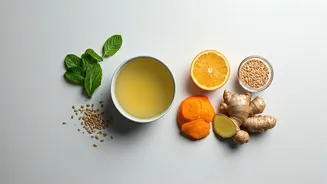
Give your immune system an extra edge with these simple additions to your routine. A strong defence is your best bet against seasonal infections. Start your day with warm water and a squeeze of lemon. You can also sip on herbal teas made with tulsi, ginger, and mint throughout the day. A daily glass of 'kadha'—a traditional decoction made by boiling water with tulsi leaves, ginger, black peppercorns, and a little honey—is an excellent immunity booster. Also, ensure you only drink boiled or purified water. Avoid juices from street vendors and opt for freshly squeezed juice at home if you must. Staying hydrated is key, but the source of your fluids matters most during the monsoon.