



The Rise of the Instagrammable Platter
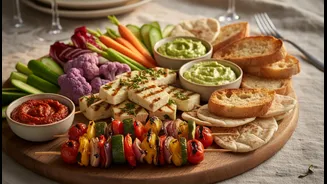
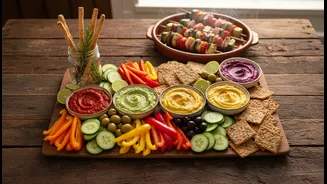
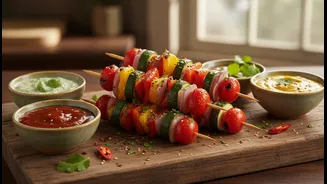
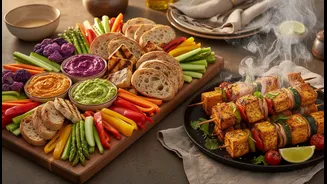
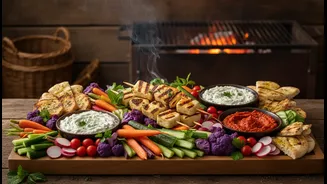
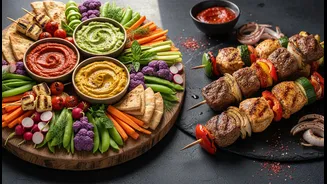
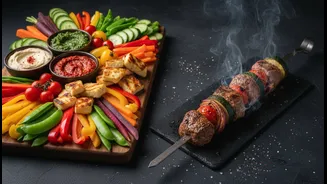
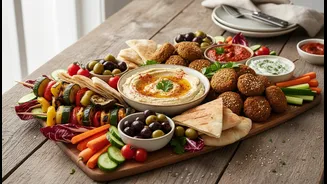
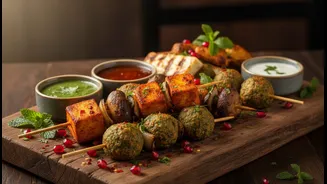
Let’s be clear: there is nothing inherently wrong with a vegetarian platter. They are visually stunning, cater to diverse dietary needs, and reflect a modern, inclusive approach to dining. From paneer tikka skewers to hara bhara patties and mushroom galoutis,
these boards offer a delightful assortment of textures and flavours that are perfect for sharing. In a world of curated aesthetics, the Indian-inspired grazing board is a trend that makes perfect sense—it’s communal, customisable, and undeniably photogenic. It allows hosts to offer a wide variety of bites without being tethered to a single dish. But in labelling these creations 'kebab platters', we might be stretching the definition to a breaking point, celebrating the form while completely missing the substance.
The Soul of a Kebab: Fire and Smoke
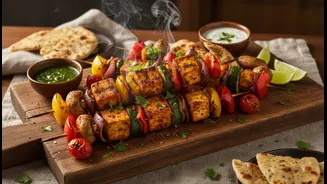
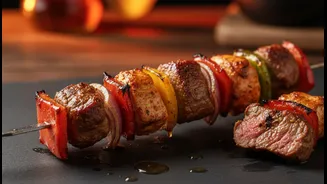
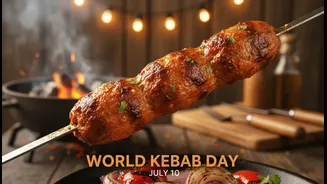
The word ‘kebab’ itself is rooted in history, often traced back to soldiers grilling meat over open fires. From the Turkish döner to the Indian seekh, the common thread has always been the transformative power of flame. An authentic kebab isn’t just cooked; it’s kissed by fire, imbued with a smoky essence that cannot be faked with liquid smoke or a grill pan. It’s about the Maillard reaction meeting charcoal, the fat rendering and sizzling as it drips, creating an aromatic cloud that seasons the meat. This elemental combination of meat, fat, and smoke is the very soul of the kebab. It’s a flavour profile developed over centuries, from the royal kitchens of the Mughals and Nawabs to the bustling street-side stalls of today.
The Irreplaceable Magic of Dhungar
To understand the smoky depth of a true regional kebab, one must understand 'dhungar'. This ancient Indian technique is the secret weapon of master chefs, used to infuse a finished dish with an intense charcoal aroma. The method is simple yet profound: a piece of red-hot charcoal is placed in a small bowl, set inside the pot of cooked food. A dollop of ghee is poured over the coal, which instantly erupts in fragrant smoke. The pot is quickly sealed, trapping the aromatic compounds which are lipophilic, meaning they bind aggressively to the fats in the dish. This is not merely adding a smoky flavour; it is weaving the essence of the fire directly into the food, creating a complexity that lingers long after the last bite. It’s a craft that elevates dishes like dal makhani, and it is absolutely essential for recreating the authentic taste of many iconic kebabs away from a tandoor.
A Tour of Kebab Royalty
Consider the legends. The Kakori kebab, born from a Nawab's quest for a kebab so soft it would melt in the mouth after a British officer's complaint about texture. Its silken consistency comes from finely minced mutton and a specific blend of spices, grilled delicately on a skewer over charcoal. Then there's the Galouti kebab, famously created for a toothless Nawab of Lucknow. Made from meat so finely ground and tenderised with raw papaya that it requires no chewing, its patty is gently fried on a tawa, but its flavour profile is indebted to a complex blend of over a hundred spices and the memory of smoke. The more robust Mutton Seekh kebab, a staple across North India, relies on the high fat content of the mince to absorb the smoky flavour from the open grill, resulting in a juicy, charred, and deeply satisfying experience. These aren’t just recipes; they are historical artifacts, each with a story forged in fire.
An Appetiser by Any Other Name
A paneer tikka is a wonderful thing. A hara bhara kebab is a classic snack. But they are not, in the truest sense, stand-ins for a Kakori or a Seekh. The vegetarian counterparts, while delicious, are fundamentally different dishes. They possess their own unique merits but cannot replicate the specific interplay of meat proteins, rendered fat, and infused smoke that defines their namesakes. Calling a vegetable patty a kebab because of its shape is like calling any sparkling white wine champagne. It borrows the prestige of the name without undergoing the specific process that earned it. It’s a category error that, in its attempt to be inclusive, risks erasing the very culinary heritage it claims to honour.