

Hanle, Ladakh: India's Official Dark Sky Sanctuary
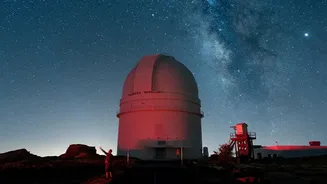
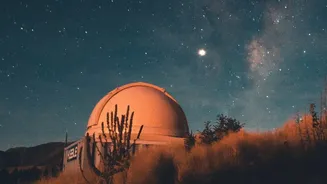
For the ultimate stargazing experience, look no further than Hanle in Ladakh. Designated as India's first-ever Dark Sky Reserve, this high-altitude cold desert at 4,500 metres offers some of the most pristine night skies on the planet. The near-total
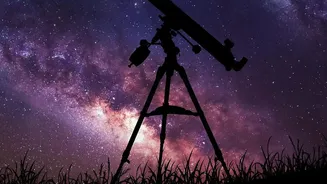
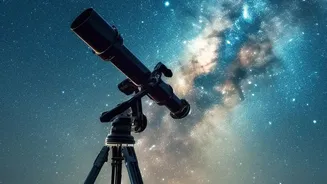
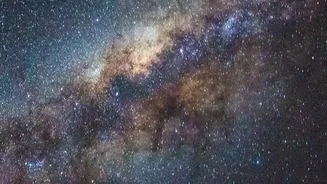
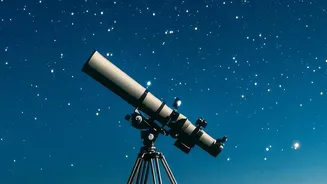
absence of light pollution and over 260 cloudless nights a year create perfect astronomical conditions. Hanle is home to the Indian Astronomical Observatory, and the reserve was established to protect these world-class skies for both scientific research and astro-tourism. Local communities are trained as 'Astronomy Ambassadors' to guide visitors, often using community-owned telescopes to reveal celestial wonders like the Milky Way in breathtaking detail.
Spiti Valley, Himachal Pradesh: A High-Altitude Desert Dream
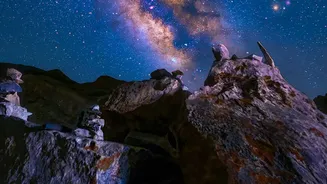
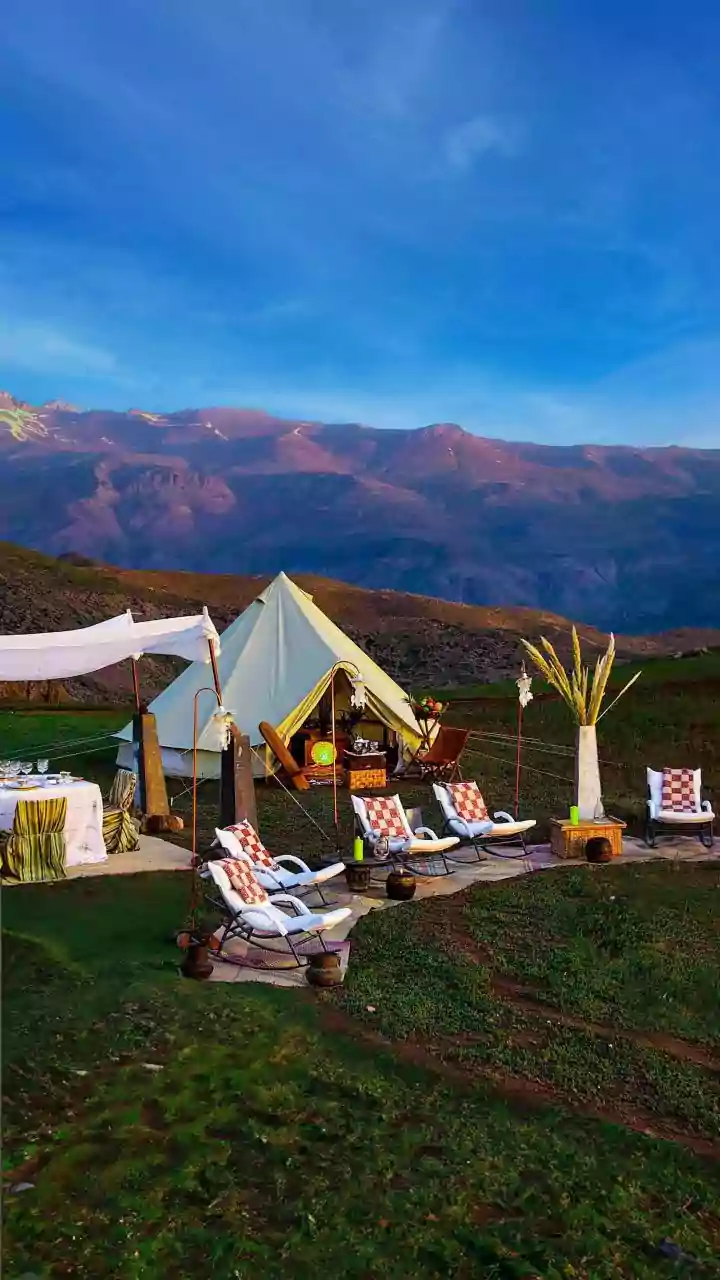
Spiti Valley's remote, high-altitude landscape makes it a legendary destination for skywatchers. Villages like Kaza, Kibber, and Langza sit above 4,000 metres, where the thin, dry air and lack of city glow result in exceptionally clear nights. From May to October, the core of the Milky Way is vividly visible to the naked eye, appearing as a dense river of stars. Chandratal Lake, known as the 'Moon Lake', is another iconic spot where the barren landscape and profound silence create a surreal setting for observing meteor showers and constellations. The combination of altitude and isolation ensures a celestial spectacle that most people have never witnessed.
Rann of Kutch, Gujarat: Stars Over the Salt Desert
The Great Rann of Kutch offers a stargazing experience unlike any other. This vast, flat salt desert provides an unobstructed horizon-to-horizon view of the night sky with almost zero light pollution. During the winter months, from November to February, the dry air enhances clarity, making constellations and planets shine with startling brightness. The annual Rann Utsav festival coincides with this prime viewing season, allowing visitors to combine cultural experiences with celestial observation. On a new moon night, the sky is a blanket of infinite stars, while on a full moon night, the desert floor glows, creating a magical, otherworldly atmosphere.
Neil Island, Andaman and Nicobar: A Tropical Cosmic Theatre
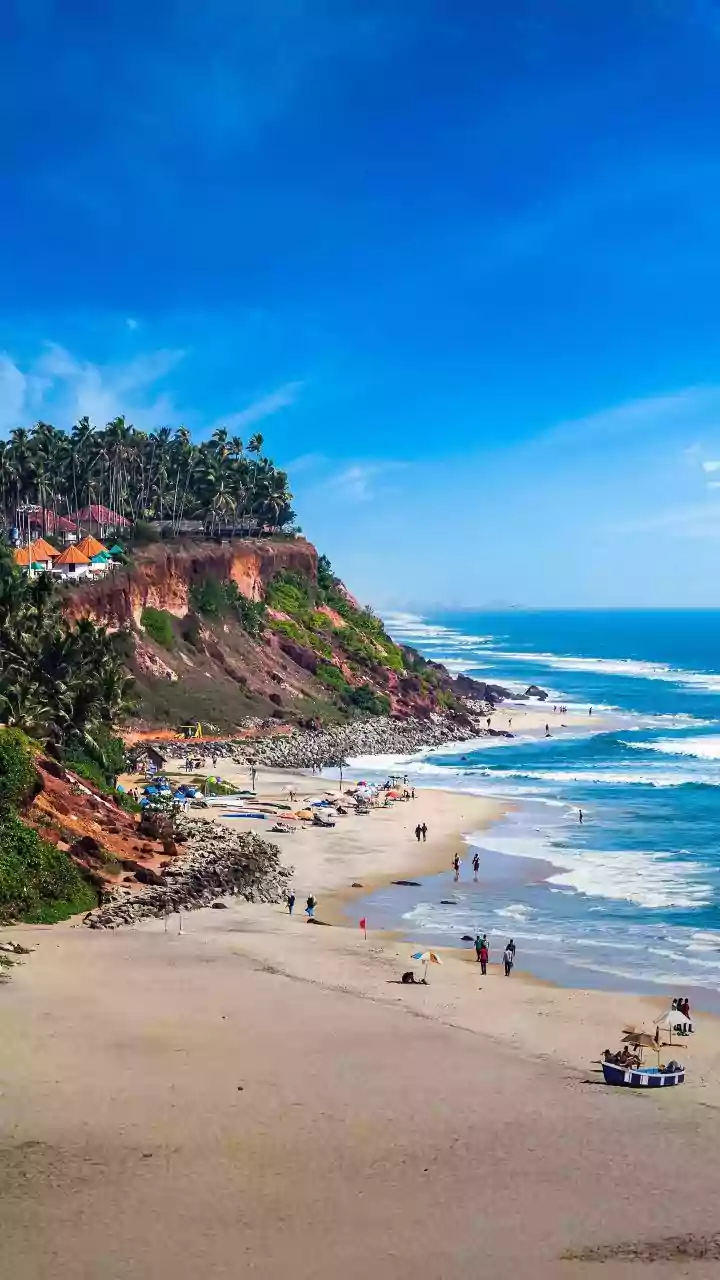
For those who prefer a coastal setting, Neil Island (Shaheed Dweep) in the Andamans is a paradise for stargazers. Far from the mainland's urban glow, its beaches are exceptionally dark after sunset, offering pristine views of the night sky. The clear, tropical skies, especially between November and April, make it an ideal spot to lie on the sand and watch the cosmos unfold. With minimal commercialization, the island has very little artificial light, allowing the Milky Way and countless stars to be seen with stunning clarity, all to the gentle soundtrack of the ocean waves.
Coorg, Karnataka: Stargazing in the Western Ghats
Proving that you don't need a desert or high-altitude peak for a great view, Coorg in the Western Ghats offers surprisingly dark skies. Its remote coffee plantations and forested hills, especially in the southern regions near the Brahmagiri Wildlife Sanctuary, provide a shield from city lights. The elevation of 900 to 1,500 metres places you above much of the atmospheric haze. During the winter and summer months (November to May), when humidity is low, the skies are clear enough to reveal the Milky Way. Several eco-lodges and observatories in the area offer guided stargazing sessions, making it an accessible getaway for astronomy enthusiasts in South India.
Pangong Tso, Ladakh: A Photographer's Paradise
While Hanle is the scientific hub, the iconic Pangong Tso offers one of Ladakh's most dramatic backdrops for stargazing. At an altitude of 4,350 metres, this high-altitude saltwater lake reflects the star-studded sky on calm nights, creating a breathtaking mirror image of the cosmos. The region's minimal light pollution allows for naked-eye visibility of the Milky Way, star clusters, and frequent shooting stars. Its popularity among astrophotographers is a testament to the clarity and beauty of its night sky. The sheer scale of the landscape, combined with the celestial display, makes for an unforgettable and humbling experience.